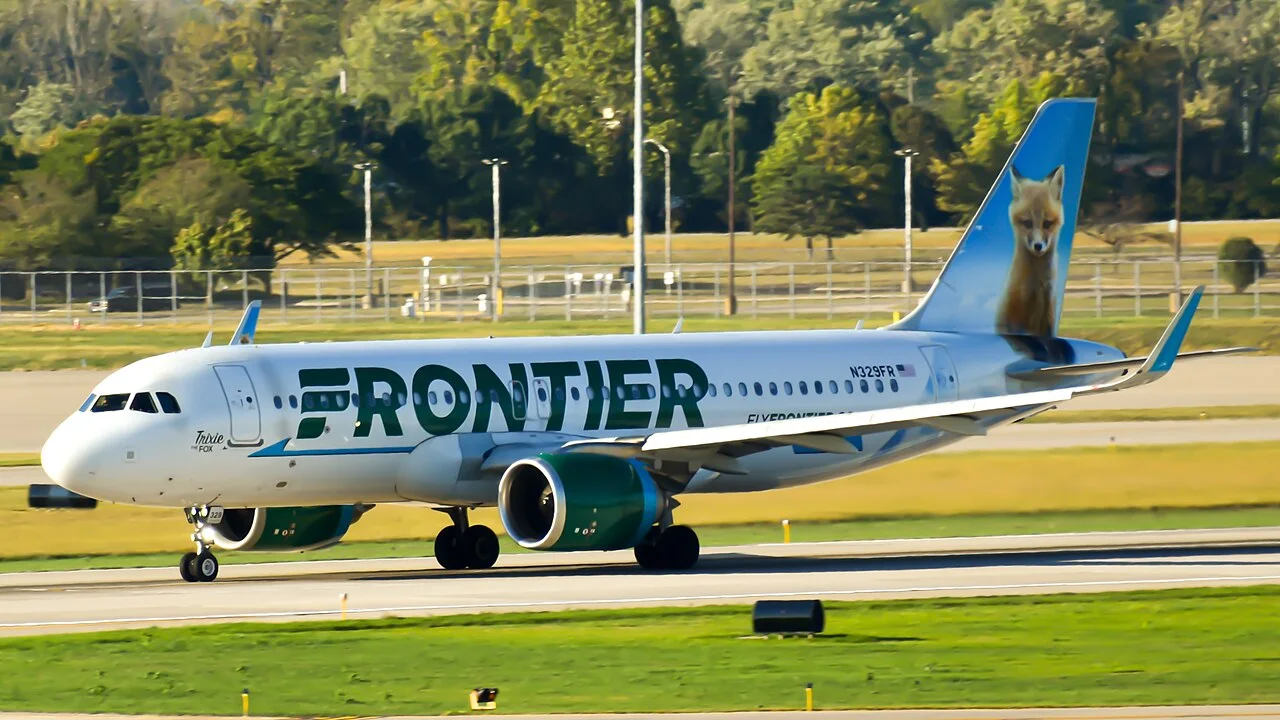
Frontier Airlines passengers paid an average base fare of $67.82 per trip from July through September, up 71% from $39.74 a year earlier. The figure comes from the third-quarter results Frontier filed with the SEC on Wednesday, October 28. The Denver-based budget carrier still flew 9.8 million passengers, 18% more than in the same quarter of 2025.
What a Frontier trip cost
Frontier reports the ticket price separately from what it calls non-fare revenue, which its annual report says consists mainly of service fees, baggage fees and seat selection fees.
| Per passenger, July to Sept. | 2026 | 2025 | Change |
|---|---|---|---|
| Base fare | $67.82 | $39.74 | Up 71% |
| Bag, seat and service fees | $67.47 | $62.78 | Up 7% |
| All revenue | $138.22 | $106.44 | Up 30% |
A year ago, fees brought in far more per passenger than fares did. In the third quarter the two were nearly equal, and across the first nine months of 2026 fees still came out slightly ahead, $64.12 to $62.01. A traveler who books the bare ticket now pays far more than a year ago, but total revenue per passenger, fare and fees together, rose 30%.
These are company-wide averages per passenger, so they mix short and long routes and every booking type. They do not show what any single route costs.
Jet fuel more than doubled
Frontier paid an average of $3.96 a gallon for fuel in the quarter, 56% more than a year earlier, which the company says added about $150 million to its costs. Market prices are still climbing. Jet fuel on the Gulf Coast spot market averaged $4.62 a gallon in the week ending October 23, more than double the $2.18 a year earlier, according to Energy Information Administration price data.
The airline reported record revenue of about $1.4 billion, up 53%, and a net loss of $104 million under standard accounting. Excluding special items, it earned $40 million. Chief Executive Jimmy Dempsey said in the release that results came in "meaningfully above the Company's guidance and Wall Street estimates."
What it signals for holiday travel
For October through December, Frontier expects revenue per available seat mile, an industry measure of how much it earns for each seat it flies one mile, to rise more than 20% from a year earlier. It also expects to pay about $4.75 a gallon for fuel and plans to grow its flying by only 5% to 6%, compared with 18% in the third quarter.
That is a company forecast for its whole network, not a fare quote, and Frontier cautions that it may cut or add flights as fuel prices change. Travelers booking Thanksgiving and December trips on Frontier should still compare the total price with bags and seats included, since the base fare is no longer the bargain it was a year ago.