Walmart raised its full-year forecast again on Thursday, Nov. 19, after a quarter in which its online sales jumped and its pharmacy sales shrank because of lower Medicare drug prices.
Revenue reached $188.8 billion in the three months that ended in October, up 5.2% from a year earlier, according to the company's third-quarter earnings release. Earnings came to 62 cents a share, or 65 cents after Walmart's adjustments. Sales at U.S. Walmart stores open at least a year rose 2.9%, excluding fuel.
What Walmart's numbers say about prices
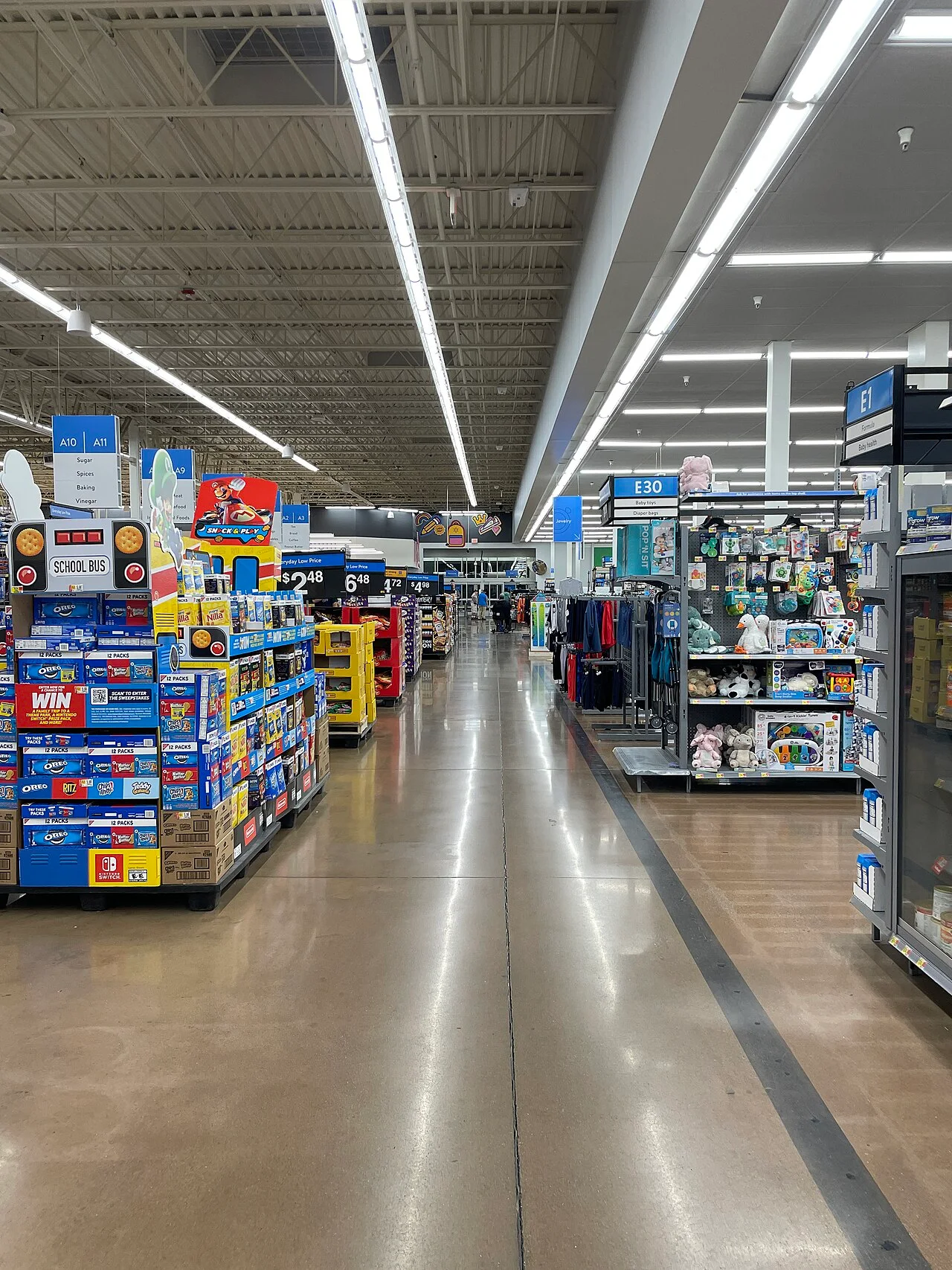
Walmart's earnings presentation puts like-for-like grocery inflation in its U.S. stores at 1.4% for the quarter. Eggs helped. Lower egg prices took 0.4 percentage point off that number. Prices on general merchandise, such as toys and auto care, rose just 0.3%, about 1.4 points less than in the previous quarter.
The company says it now runs about 7,700 rollbacks in the U.S. and that it spent tariff refunds on lower prices and customer programs. Edit USA reported on Nov. 18 that Target booked $301 million in tariff refunds in its own third quarter.
Pharmacy went the other way. Health and wellness was the only one of Walmart's three main U.S. merchandise groups where sales declined. The presentation blames deflation tied to the Medicare drug price negotiation program, which cut that category's sales by about 8 percentage points. Negotiated prices for the first 10 drugs chosen under the program, which the law calls maximum fair prices, took effect on Jan. 1, 2026. Walmart still filled more prescriptions, with script counts up by a mid-single-digit percentage.
Online orders and the $120 membership bundle
U.S. e-commerce sales rose 23%, led by pickup and delivery from stores, while sales on Walmart's online marketplace for outside sellers grew nearly 50% and e-commerce at Sam's Club, its warehouse chain, grew 30%.
Walmart also started selling a bundle that combines Walmart+ and a Sam's Club Plus membership for $120 a year. Strong sign-ups helped U.S. membership fee revenue grow by double digits. Sam's Club says the way bundle fees are split will keep weighing on its profit growth until the third quarter of next fiscal year.
How the forecast has changed
Walmart's fiscal year ends in January. Its guidance, in constant currency, has moved up twice since February:
| Forecast | February | August | November |
|---|---|---|---|
| Net sales growth | 3.5% to 4.5% | 4.0% to 5.0% | 4.9% to 5.2% |
| Adjusted operating income growth | 6% to 8% | 7% to 8.5% | 8.0% to 8.6% |
| Adjusted earnings per share | $2.75 to $2.85 | $2.80 to $2.87 | $2.84 to $2.89 |
Walmart's global inventory was up 8.1% at the end of October, which it attributes to its own initiatives, the timing of seasonal events and cost inflation. It expects U.S. inventory to run slightly higher in the current quarter because it is measured against a quarter hit by winter storms last year.