Meta smart glasses owners have a visual-data opt-out with limits. That gap is central to a new Senate privacy inquiry, especially for people who appear in someone else's camera view.
Sens. Ron Wyden and Edward Markey asked Mark Zuckerberg for answers in an October 28 letter, announced October 29. Their response deadline is November 25. They want details about safeguards, contractor access and ways for people recorded by the glasses to seek deletion or redress.
The inquiry follows reporting on covert recording and intimate footage. 404 Media's October 29 report connects the letter to its earlier investigation of men filming massage workers and distributing the videos on Instagram. Those reports and the senators' concerns do not establish that every glasses recording reaches Meta's AI systems.
Gallery captures and AI requests take different paths
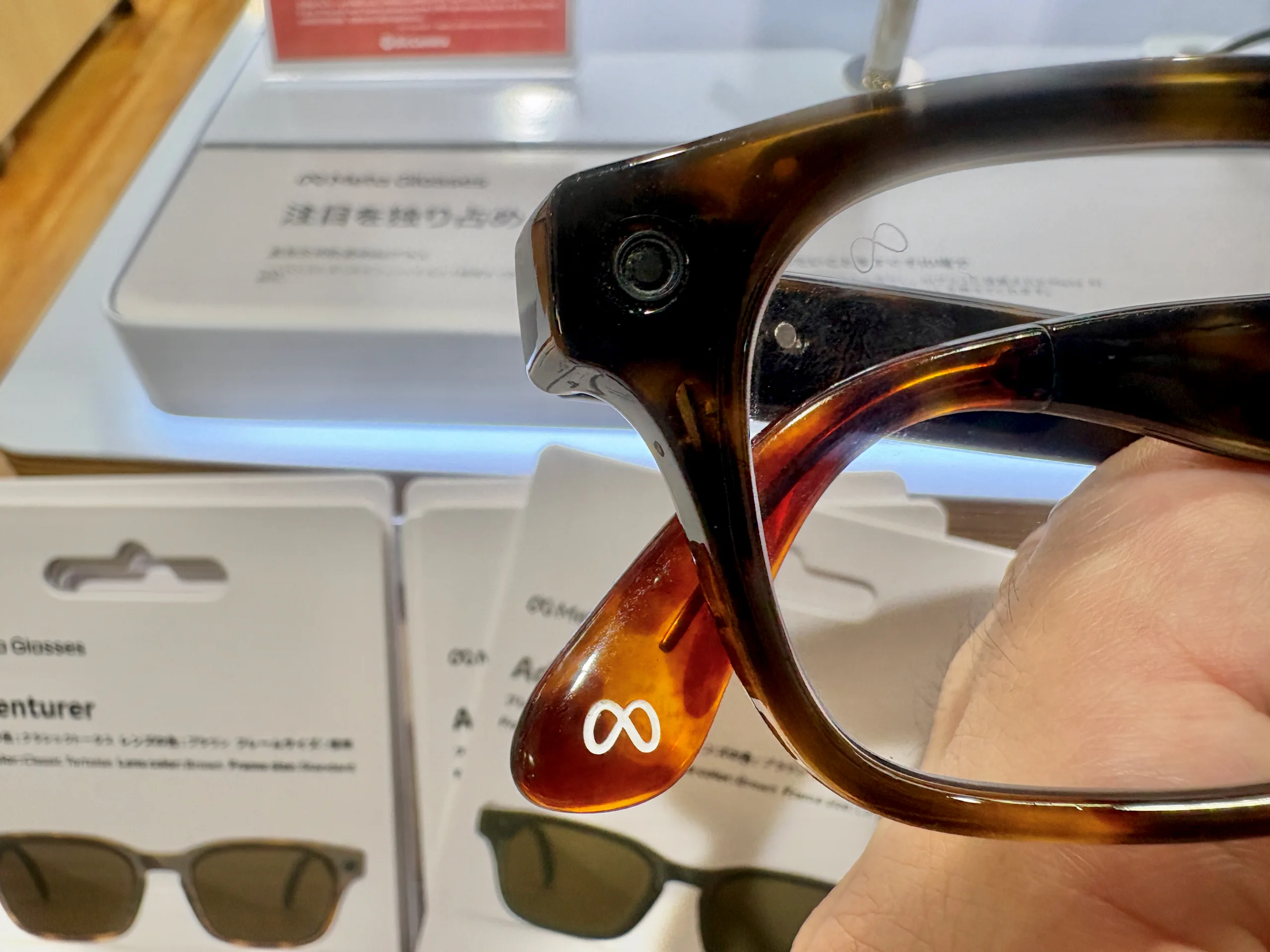
In its July privacy FAQ, Meta says ordinary photos and videos remain on the glasses until the wearer imports them. They then go to the phone's gallery. Capturing something does not automatically publish it to Instagram or Facebook.
Meta says the white capture light flashes for a gallery photo and stays on during a gallery video. It says the light cannot be switched off, and second-generation glasses block recording when it is covered. These are the company's descriptions of its safeguards, not independent testing by Edit USA. The FAQ includes an official video demonstrating the light.
AI camera requests take a separate processing path. Meta's gallery capture-light explanation should not be read as a promise about every AI interaction.
What the visual-data toggle changes
Meta's visual-data help page says it may retain AI images and videos for product improvement and model training, including human review.
To opt out, open the Meta AI app, enter the glasses' settings, choose Meta AI in Experiences, then turn off "Store visual data from AI experiences."
Meta says future visual data will then be processed to fulfill the request without being stored afterward, reviewed by people or used for training and improvement. Some features, including certain reminders, may become limited or unavailable.
The setting is prospective. It does not undo processing that already happened. It also excludes voice interactions, images shared with Meta AI through other apps, certain policy-violating imagery and metadata such as AI-generated text descriptions or camera exposure information.
Notebookcheck's October 26 explanation also distinguishes the visual control from voice-data rules. Owners weighing that trade-off need to review both.
US voice retention needs a separate check
Meta's US voice privacy notice, effective July 22, 2025, says voice interactions are stored by default to improve its products and speech technologies. Trained reviewers may examine them. Recordings can include accidental activations and background sounds.
The notice says recordings and transcripts may be kept for up to one year. Detected false activations are deleted within 90 days of detection. Owners can access and delete their voice interactions through the app; deleting them stops their future use for improvement.
The same legal page separately discusses the older Ray-Ban Stories voice controls. Its control options should not be assumed to apply to Meta AI on Ray-Ban Meta or Oakley Meta glasses. The visual-data toggle does not replace this voice review.
Bystanders are the unresolved part
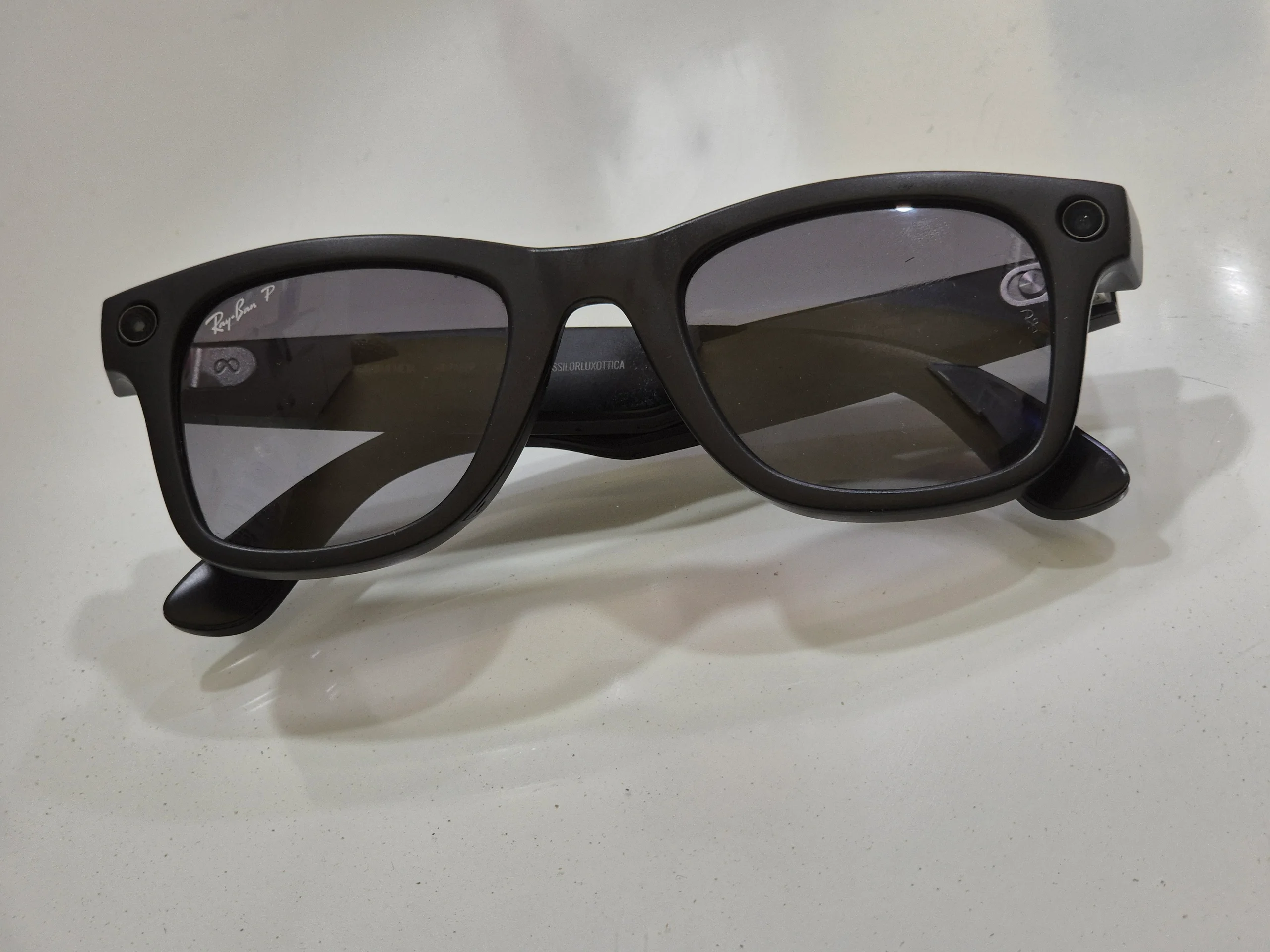
The senators acknowledge the wearer-facing visual option but argue that people nearby lack an equivalent choice. Their questions cover accidental activation, tampered recording lights, contractor handling and whether people can request deletion of footage or biometric data.
Meta's responsible-innovation guidance tells wearers to ask permission before taking photos or videos and avoid private or sensitive situations. That asks the person operating the camera to act. The letter seeks answers about what happens when that person does not, including what remedy the recorded person can obtain.