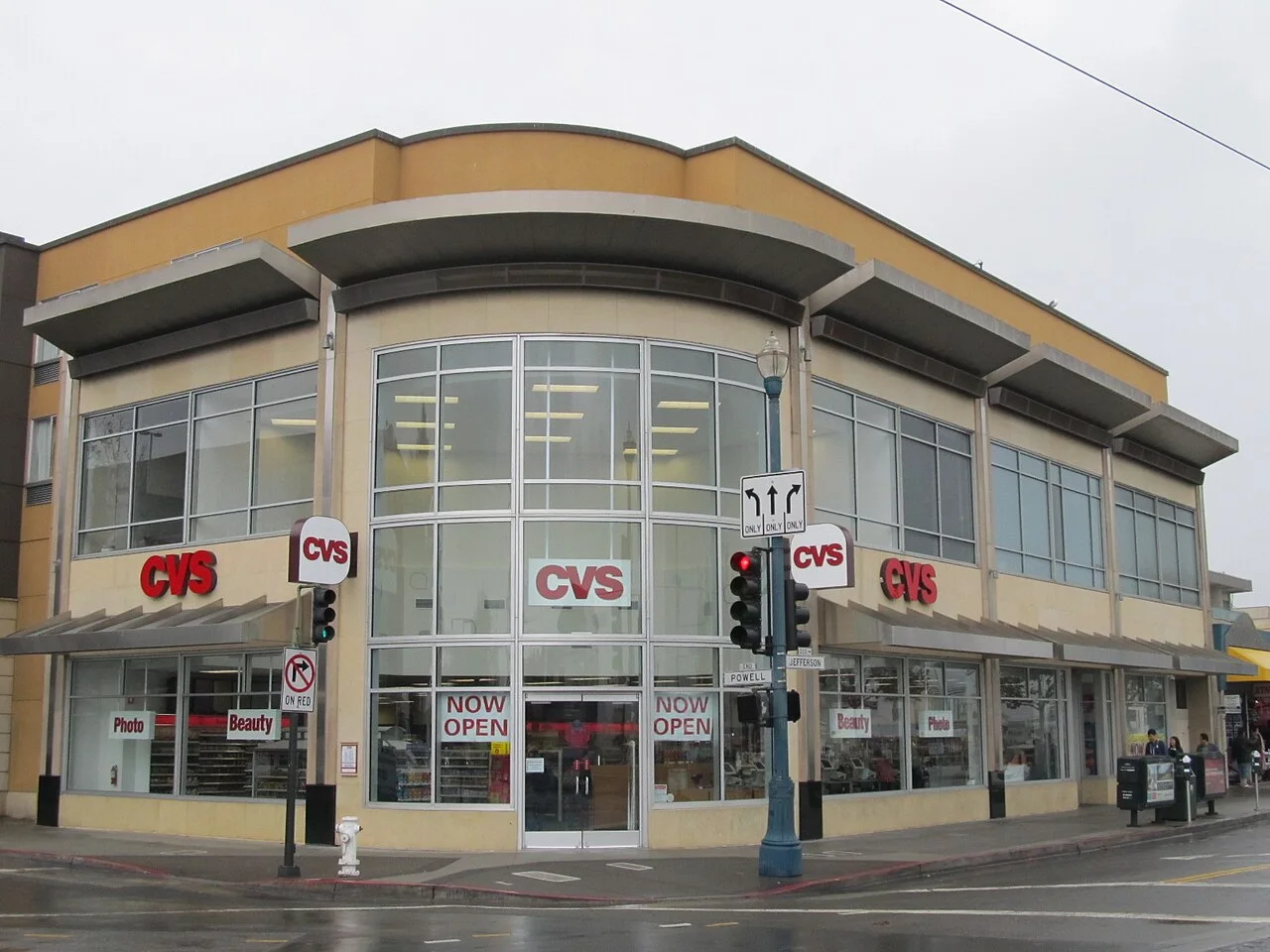
CVS Health plans to separate its drugstores from Aetna insurance and its pharmacy benefit business, creating two publicly traded companies. Its November 4 announcement targets completion in the first half of 2028. Customers should continue receiving services without interruption, the company says.
The proposed division puts the businesses handling insurance and drug benefits on one side and the familiar pharmacy counter on the other. It reverses the direction of CVS's acquisition of Aetna eight years ago, when the company argued that combining those services would improve care and reduce costs.
What goes where
| Planned company | Businesses | Planned chief executive |
|---|---|---|
| CVS Health, the interim name for the healthcare solutions company | Aetna, CVS Caremark, CVS Specialty, Oak Street Health and Signify Health | David Joyner |
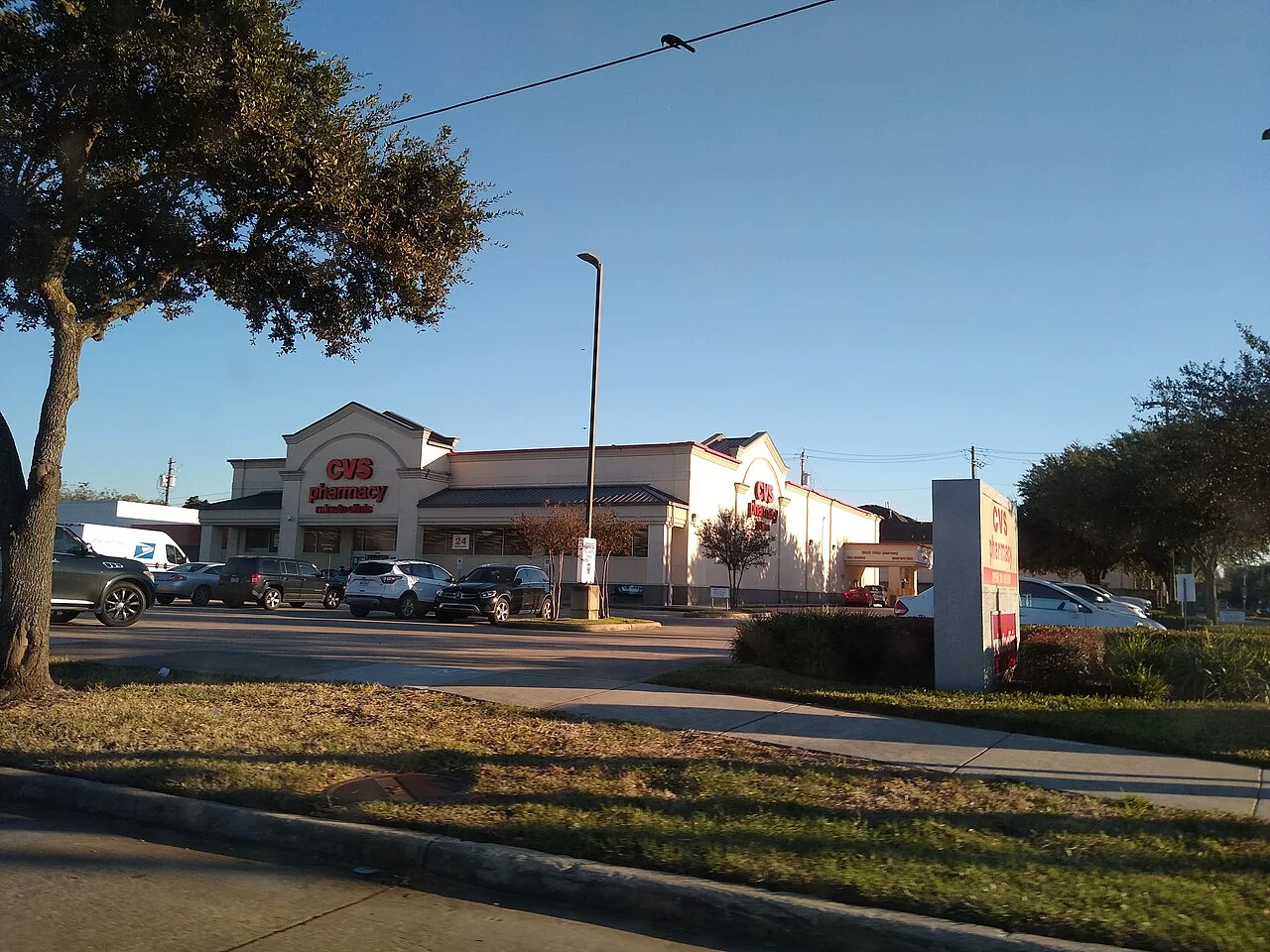
| CVS Pharmacy | About 9,000 retail pharmacies, mail pharmacy, MinuteClinic including virtual care, and Health100 | Prem Shah |
CVS Specialty would remain with the insurance and benefits group even as retail and mail pharmacy move into the separate company. The split therefore would not put every CVS business that dispenses medicine under one roof.
What customers need to decide now
The proposed 2028 separation is distinct from the insurance choices Medicare members are making this fall. Medicare's annual enrollment period runs from October 15 through December 7, with changes effective January 1 of the next year when the plan receives the request by the deadline.
For someone comparing 2027 coverage, the relevant questions remain whether a plan covers their prescriptions, includes their doctors and pharmacies, and what the year's premiums, deductible and drug costs add up to. Medicare recommends comparing those details before choosing. Aetna's proposed future corporate ownership cannot answer them. Our Medicare plan comparison guide explains the cost and access checks in more detail.
The combination CVS is unwinding
CVS completed its Aetna acquisition on November 28, 2018. The transaction was valued at about $70 billion, or $78 billion including assumed debt.
At the time, CVS described a strategy built around combining Aetna's medical information and insurance expertise with CVS's pharmacies and clinics. Easier access to local care and earlier intervention were part of its argument for bringing the businesses together. Those were the company's expectations, rather than proof that every member would save money.
The new proposal changes that organizational structure. It does not, by itself, establish what a particular prescription or insurance plan will cost after the separation.
Drug benefits also face separate regulatory pressure. The Federal Trade Commission's insulin case record lists a July 14, 2026 settlement agreement with Caremark Rx and Zinc Health Services. The agency says the agreement requires business changes intended to reduce patients' out-of-pocket costs, increase transparency and improve treatment of community pharmacies. That agreement concerns PBM practices; it is not approval of the proposed corporate split.
What shareholders still have to wait for
Shareholders would receive stock in both companies. CVS intends a separation that is tax-free for US federal income tax purposes, subject to confirmation. Completion also requires final board approval and an effective Form 10 registration with the Securities and Exchange Commission.
The announcement accompanied stronger third-quarter earnings. Revenue increased 5.4% to $108.4 billion. Adjusted earnings of $2.09 a share compare with $1.60 a year earlier. CVS raised its full-year adjusted earnings outlook to at least $8.20 a share from $7.90 to $8.10. Those adjusted figures differ from GAAP earnings, which were $1.68 a share for the quarter.
A year earlier, CVS reported a GAAP loss of $3.13 a share after recording a $5.7 billion goodwill impairment charge. The absence of that charge helps explain the much larger improvement in reported earnings than in adjusted earnings.