
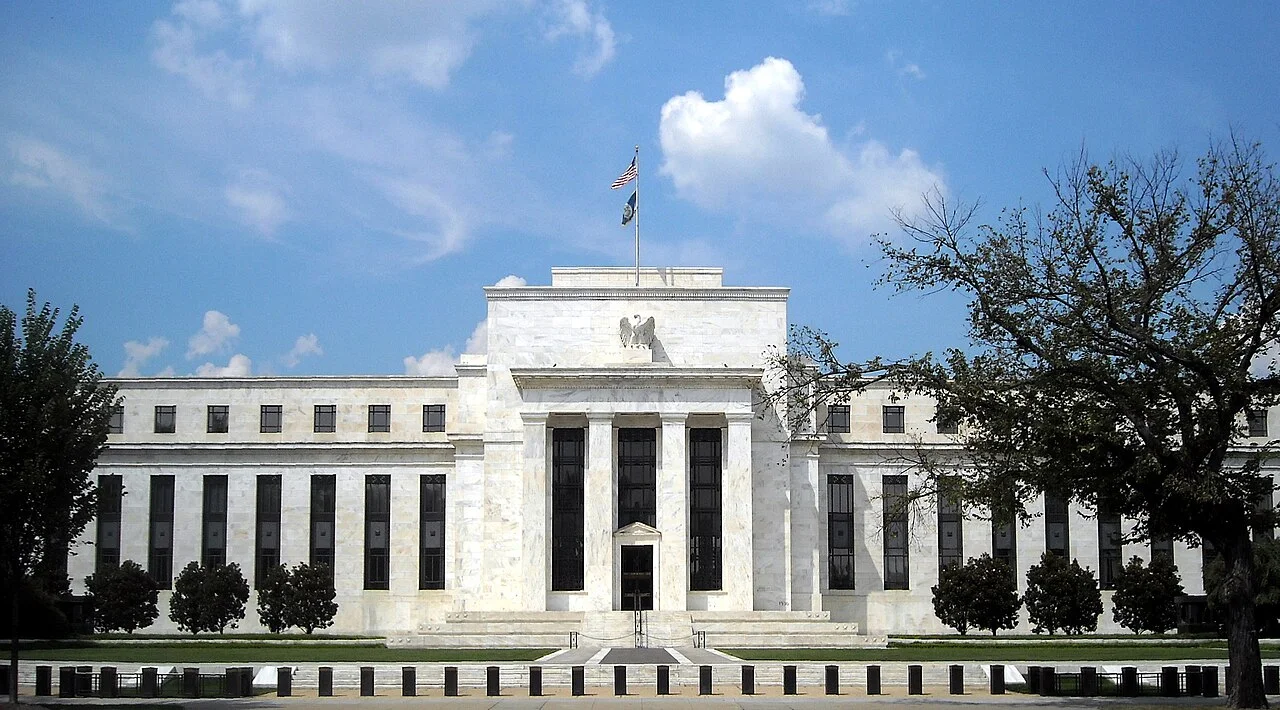
The Federal Reserve left interest rates alone on Wednesday, October 28, keeping its benchmark federal funds rate in a target range of 3.75% to 4% after raising it in September. The policy statement passed 10 to 2. Fed Governor Lisa D. Cook and Cleveland Fed President Beth M. Hammack voted against it because they wanted another quarter-point increase now.
What changed in the statement
Most of the text carried over from the September 16 statement, when the committee voted 12 to 0 to raise rates, but two passages changed.
The Fed now says the economy is expanding "at a strong pace," up from "a solid pace" in September. It again said inflation "remains elevated," but it dropped September's line that a rate increase would support a faster return to its 2% goal. In its place, the committee said that "the accumulation of more information" will help it decide what policy is needed.
The statement does not say whether another increase is coming. Two voting members already want one, and the next scheduled meeting, December 8 and 9, comes with a fresh set of economic projections from policymakers.
The implementation note keeps the rate the Fed pays banks on reserves at 3.90% and the discount rate for its primary credit loans at 4%.
What it means for borrowers and savers
A pause means no new jump in rates tied directly to the Fed. Banks' prime rate stood at 7% this week in the Fed's daily rate data, three points above the top of the range.
Variable credit card rates and home equity lines are usually pegged to an index, and your agreement names which one. A bank does not have to send a notice when a variable rate rises because its index went up, according to the Office of the Comptroller of the Currency, so September's increase may already be showing on statements even if no letter arrived.
Mortgage rates do not follow the Fed's moves directly. The 30-year fixed rate averaged 7.32% as of October 22 in Freddie Mac's weekly survey, down from 7.40% a week earlier but up from 6.19% a year ago. Freddie Mac posts its next reading Thursday at noon Eastern.
Each bank sets its own savings and CD yields, and today's hold gives them no new push from the Fed in either direction.
What to watch next
The government's first estimate of third-quarter economic growth and the September personal income and spending report, which includes the PCE price index, are both due Thursday, October 29, at 8:30 a.m. Eastern. October's jobs and consumer price reports also arrive before the December meeting.


