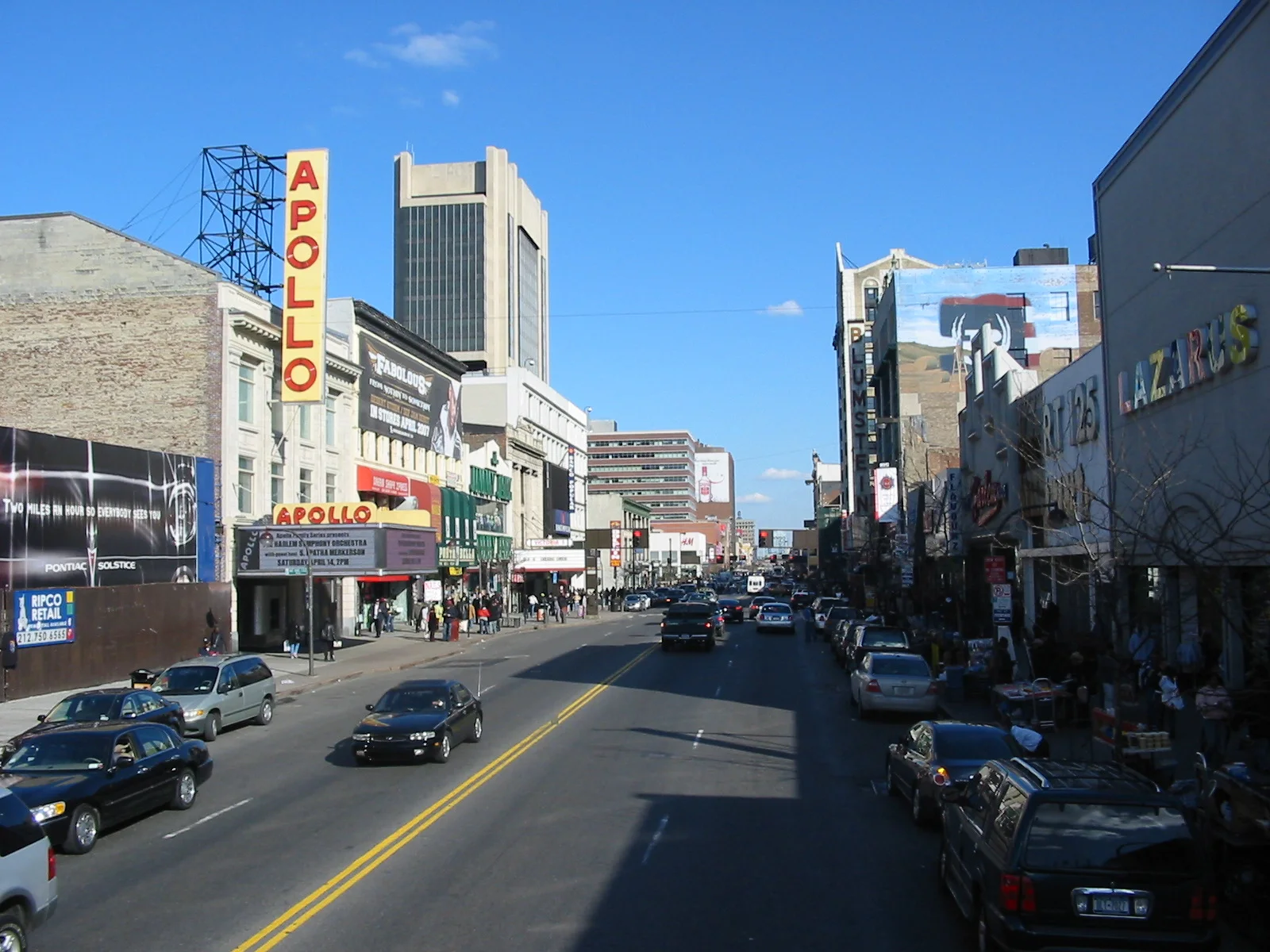
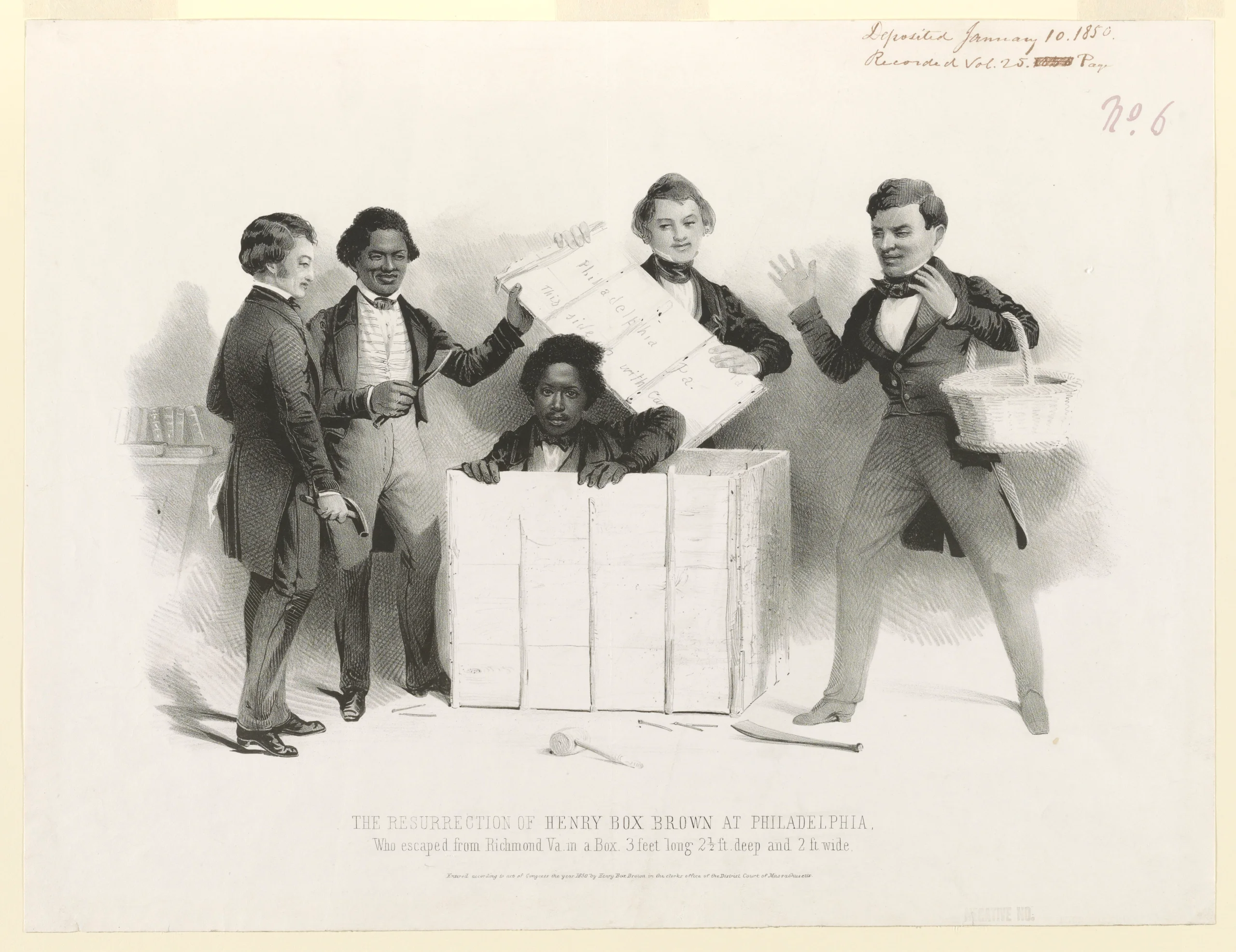
A replica of a wooden shipping box helps tell the story of Henry Brown at the Urban Civil Rights Museum in Harlem, which opens to the public Saturday, Nov. 14. In 1849, Brown escaped slavery by having himself shipped from Richmond, Virginia, to Philadelphia. The museum uses that journey to look at the networks that helped people reach freedom and at the civil rights struggles that continued in Northern cities long afterward.
The National Urban League established the museum on the fourth floor of its new headquarters at 117 West 125th Street. The opening brings two exhibitions to the same floor: an eight-gallery history of civil rights in urban America and a temporary show about Harlem as a place to build a life. The permanent galleries cover several centuries. The temporary show starts with the neighborhood outside the museum’s doors. The museum shares the building with the Urban League’s offices, a conference center and affordable housing. The League moved its headquarters to the building in 2025, a year before the galleries opened to visitors.
A wooden box and a route to Philadelphia
Moving History Forward, the permanent exhibition, begins with an orientation gallery called Freedom Square. The historical galleries start with the roots of the urban North, then move through the Great Migration, the Harlem Renaissance and campaigns for civil rights. The route ends with a resource gallery called Seat at the Table.
The National Park Service’s account of Brown’s escape gives a sense of the scale of the crate he rode in. It was just over three feet long and two feet wide. Brown spent about 27 hours in transit, part of that time upside down. Abolitionists in Philadelphia received the shipment. AmNewYork reported that the Harlem museum displays a replica of the box. The Library of Congress holds a separate 1850 print depicting Brown’s arrival.
Philadelphia’s role in Brown’s story gives the museum’s focus on the North a starting point well before the marches of the 1960s. The city was a destination for people fleeing slavery, and the Park Service traces the work of the abolitionist William Still in recording the experiences of people who came through it. Brown’s trip also depended on people at both ends of a commercial shipping route.
From the Great Migration to the March on Washington
The galleries on the Great Migration and the Harlem Renaissance follow another movement out of the South, this time involving millions of Black Americans. The Smithsonian’s account of the Great Migration describes how people built new communities in cities such as Pittsburgh and Chicago. In New York, artists and writers made Harlem a center of cultural life. The new museum sets that history alongside the fights over jobs, housing and education that continued in Northern cities.
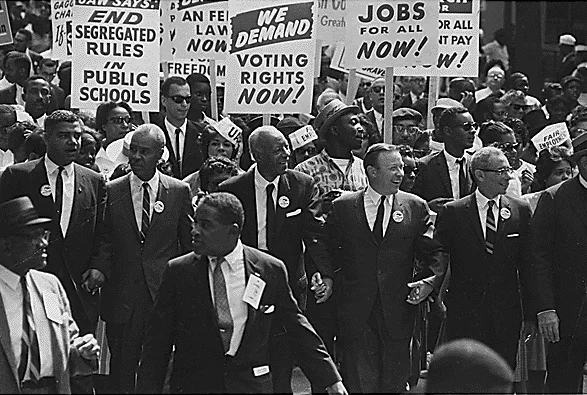
Harlem also helped organize one of the best-known demonstrations in Washington. The Library of Congress documents how organizers worked out of a Harlem office before the 1963 March on Washington for Jobs and Freedom. The official march program lists Whitney M. Young Jr., then executive director of the National Urban League, among the speakers. A photograph from the march shows Young walking in the front row with other organizers.
Harlem through family portraits
The first temporary show, Thriving! Harlem as Homeplace, runs through May 17, 2027. It includes D. Lammie-Hanson’s Dared to Be Black and Shining, a 2025 work that uses portraits of her family to revisit the Harlem of her childhood. Lammie-Hanson, who was born in Harlem and is based in Chicago, works in metalpoint, drawing with metal wire on a prepared surface. The exhibition places those portraits alongside a look at the sites and community ties that helped make the neighborhood a home for generations of Black New Yorkers.
The museum will also screen Once Upon a Time in Harlem on Dec. 10 at 6 p.m., followed by a conversation with filmmaker David Greaves and producer Anne de Mare. The film grew out of a 1972 gathering of artists and writers who had helped shape the Harlem Renaissance. Edit USA previously covered the film and its Chicago screenings.
Opening weekend hours and tickets
The museum’s opening weekend runs Nov. 14 and 15. Saturday hours are 10 a.m. to 5 p.m. Eastern, and Sunday hours are noon to 5 p.m. The Kevin Oliver Jr. Jazz Trio plays at opening both days. Sunday’s program also lists West African drumming and dance from 3 to 5 p.m.
General admission is $20 for adults ages 25 to 61 and $15 for ages 13 to 24, adults 62 and older, visitors with disabilities, active U.S. military and veterans. Children 12 and under enter free. The entrance is through the first-floor lobby, with step-free access and an elevator to the galleries. Tickets are available online or at the first-floor desk. The museum closes for Thanksgiving from Nov. 25 through 29.