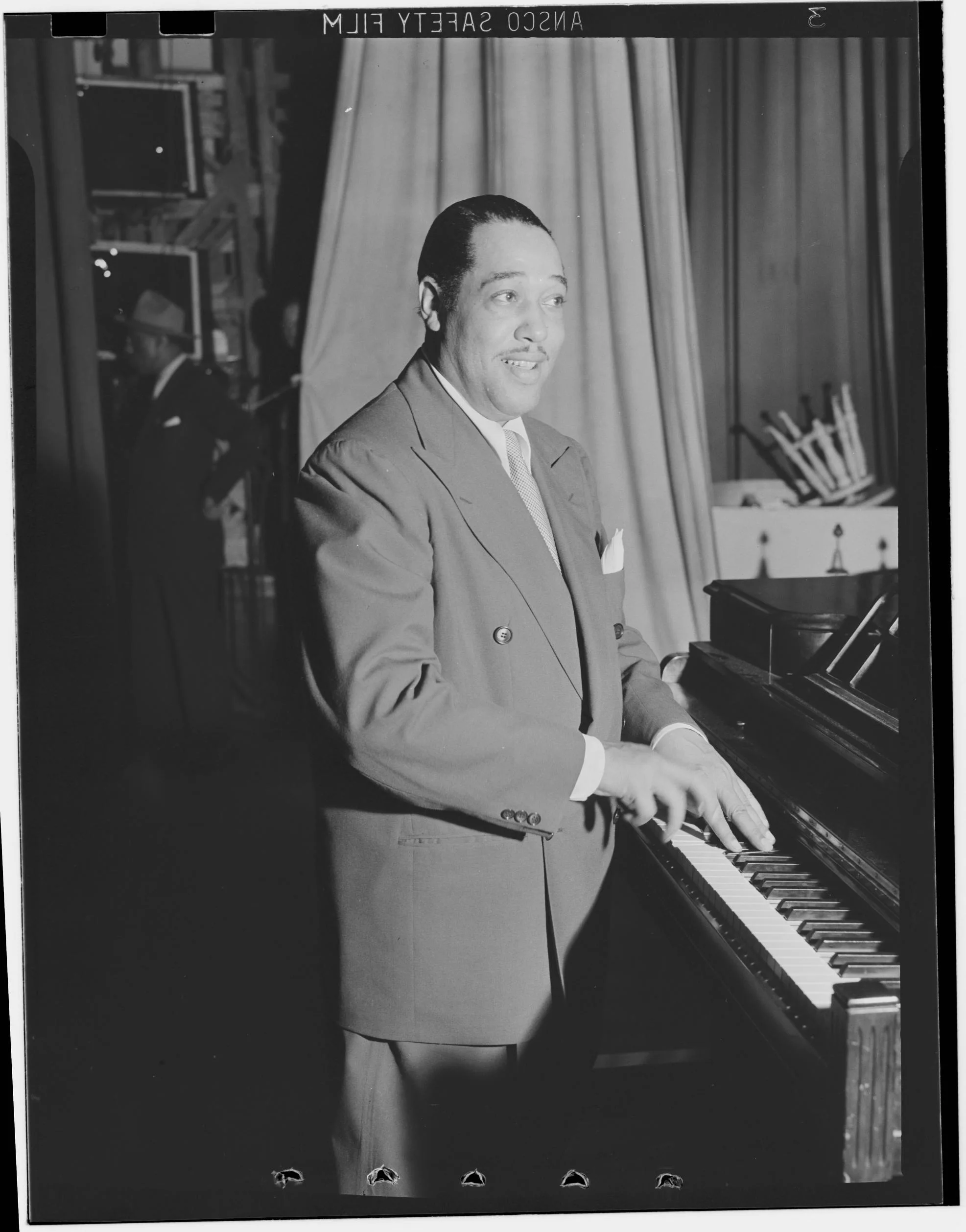
The documentary Once Upon a Time in Harlem opens Friday, Nov. 13, at Chicago’s Gene Siskel Film Center. The film brings a 1972 gathering of Harlem Renaissance artists to the screen more than half a century after filmmaker William Greaves invited them to Duke Ellington’s home and turned on the cameras.
The Chicago run goes through Nov. 26. It follows the film’s Oct. 16 opening in select theaters and overlaps with screenings in Washington state and Kentucky. The film runs 100 minutes and is rated PG-13.
Where to see it this weekend
- Chicago. The Gene Siskel Film Center lists a Nov. 13 to 26 run. The theater has a hearing loop and says it will project the film without open captions.
- Louisville, Kentucky. Speed Cinema at the Speed Art Museum lists a Friday, Nov. 13, showing at 6 p.m. local time.
- Olympia, Washington. The Olympia Film Society lists 4 p.m. screenings Friday through Sunday, Nov. 13 to 15. Sunday’s showing has open captions.
The release is rolling out theater by theater. Upstate Films lists its opening on Nov. 20. The film’s official site links to distributor NEON’s ticket listings for other locations.
Who was in the room in 1972
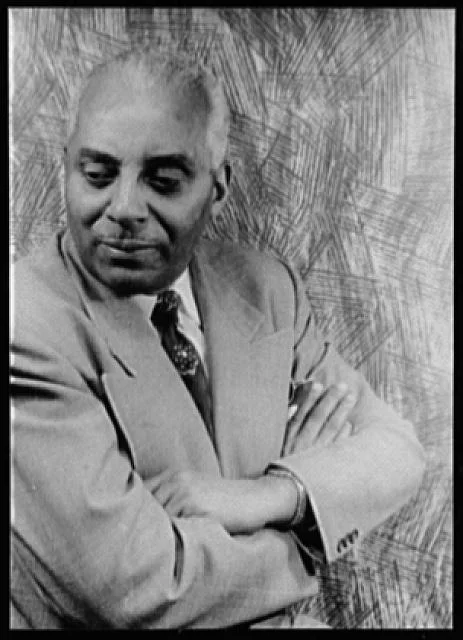
Painter Aaron Douglas, photographer James Van Der Zee and poet Arna Bontemps were among the guests. So were Eubie Blake and Noble Sissle, who wrote the music and lyrics, respectively, for the 1921 Broadway musical Shuffle Along. At the party they were sitting with people who had helped make the Harlem Renaissance, and who could argue about it from memory. The Library of Congress says some of the guests had gone about 50 years without seeing one another.
How the footage became a film
David Greaves was one of three camera operators at the party. The production notes say Louise Archambault Greaves, William’s wife and producing partner, continued the work of preserving William’s films after his death in 2014. David directed the documentary from the restored 16mm footage, and the credits also name William as a director posthumously.
William had been working on a different Harlem Renaissance documentary, From These Roots, which came out in 1974. The Smithsonian’s copy uses still photographs and narration by actor Brock Peters. In the new film, one of the photographers whose work appears in that earlier documentary, James Van Der Zee, is among the people gathered in front of the camera.
In September the Library of Congress awarded the documentary its Lavine/Ken Burns Prize for Film. The finished film leaves time for the guests to talk to one another about work they made decades earlier, including where they disagreed.