The Senate passed a bill Thursday to create a national historical park at the former refugee shelter at Fort Ontario in Oswego, New York. The site housed 982 people who fled wartime Europe, most of them Jewish, from August 1944 to February 1946. It was the only U.S. shelter for European refugees during the war.
The Senate passed S. 432 by unanimous consent. It approved a larger bill containing a Fort Ontario provision in December 2025. This time it passed a standalone measure. The House held a hearing on its companion bill, H.R. 1031, in September. The Senate vote leaves the proposed park short of becoming law.
What the bill would preserve
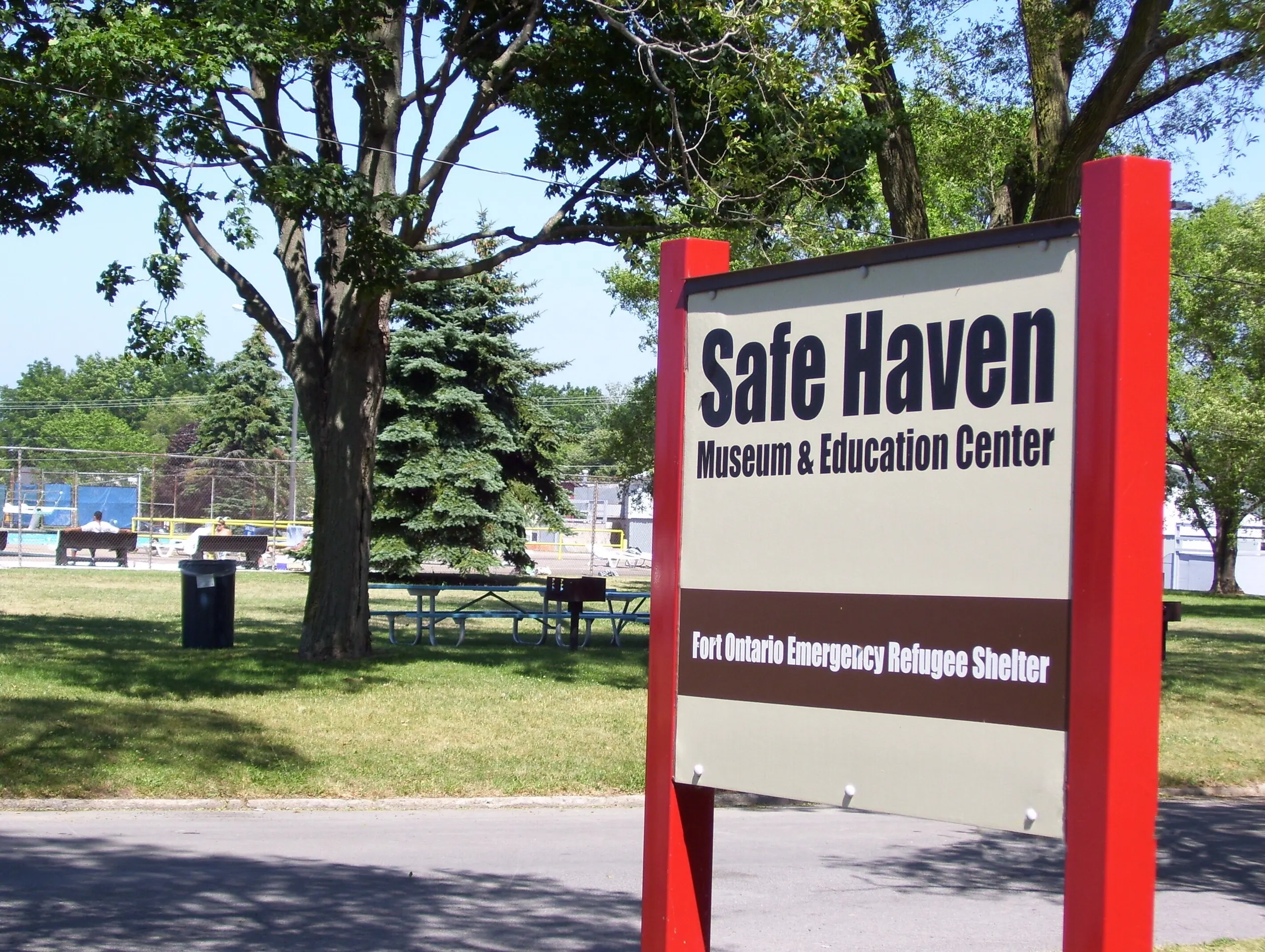
A National Park Service study identified about two acres of city-owned land that met its criteria for a new park unit. It includes the building that now houses the Safe Haven Holocaust Refugee Shelter Museum and three nearby buildings that stood when the shelter operated. The study treated that part of the site separately from the larger military fort, which New York already manages as a state historic site.
The introduced Senate text would make establishment of the park contingent on the Interior Department acquiring enough land or interests in land to manage it. State and local government property could be acquired only by donation. In testimony on the House bill, the department recognized Fort Ontario’s historical significance and opposed creating another park unit while it works through maintenance needs at existing sites.
The shelter and the museum today
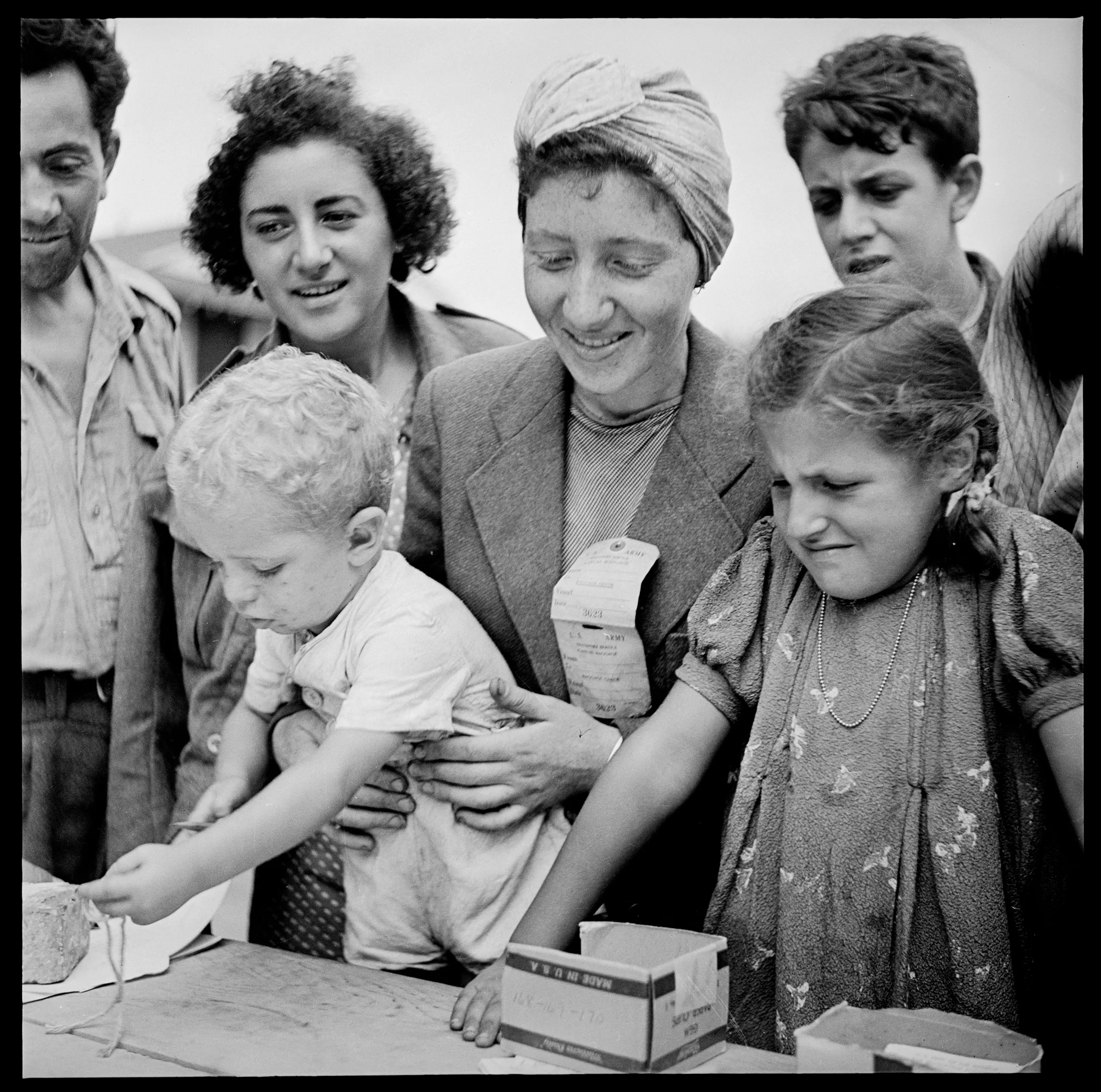
President Franklin D. Roosevelt’s administration brought the group to the United States through the War Refugee Board. The National Park Service’s account describes how the refugees crossed the Atlantic and took a train to Oswego. They came as temporary guests and were initially expected to leave when the war ended. President Harry Truman later allowed them to stay in the United States.
The Safe Haven museum already tells that story at Fort Ontario. Its posted winter schedule runs through May 14, 2027, with visits by appointment and during special events. The separate state historic site lists its fort tours as closed for the season. For readers outside Oswego, SUNY Oswego’s online archive has interviews with former refugees and others connected to the shelter, including videos recorded at the camp’s 50-year reunion in 1994. The collection also preserves issues of the refugees’ weekly newsletter, the Ontario Chronicle.