The House passed the Take Care of America's Veterans Act on Veterans Day, Wednesday, Nov. 11, by voice vote, with no recorded roll call. Republicans who wrote the bill call it the biggest expansion of veterans' health care and benefits in decades. The top Democrat on the House Veterans' Affairs Committee calls it the largest cut to veterans' benefits in the nation's history.
The bill, H.R. 9237, does both. It adds money for several groups of veterans and survivors, and it also tightens disability ratings for two common conditions on future claims and raises two VA home loan fees. The details below come from the bill text as introduced in June and match what both parties say passed.
Sleep apnea and tinnitus ratings for new claims
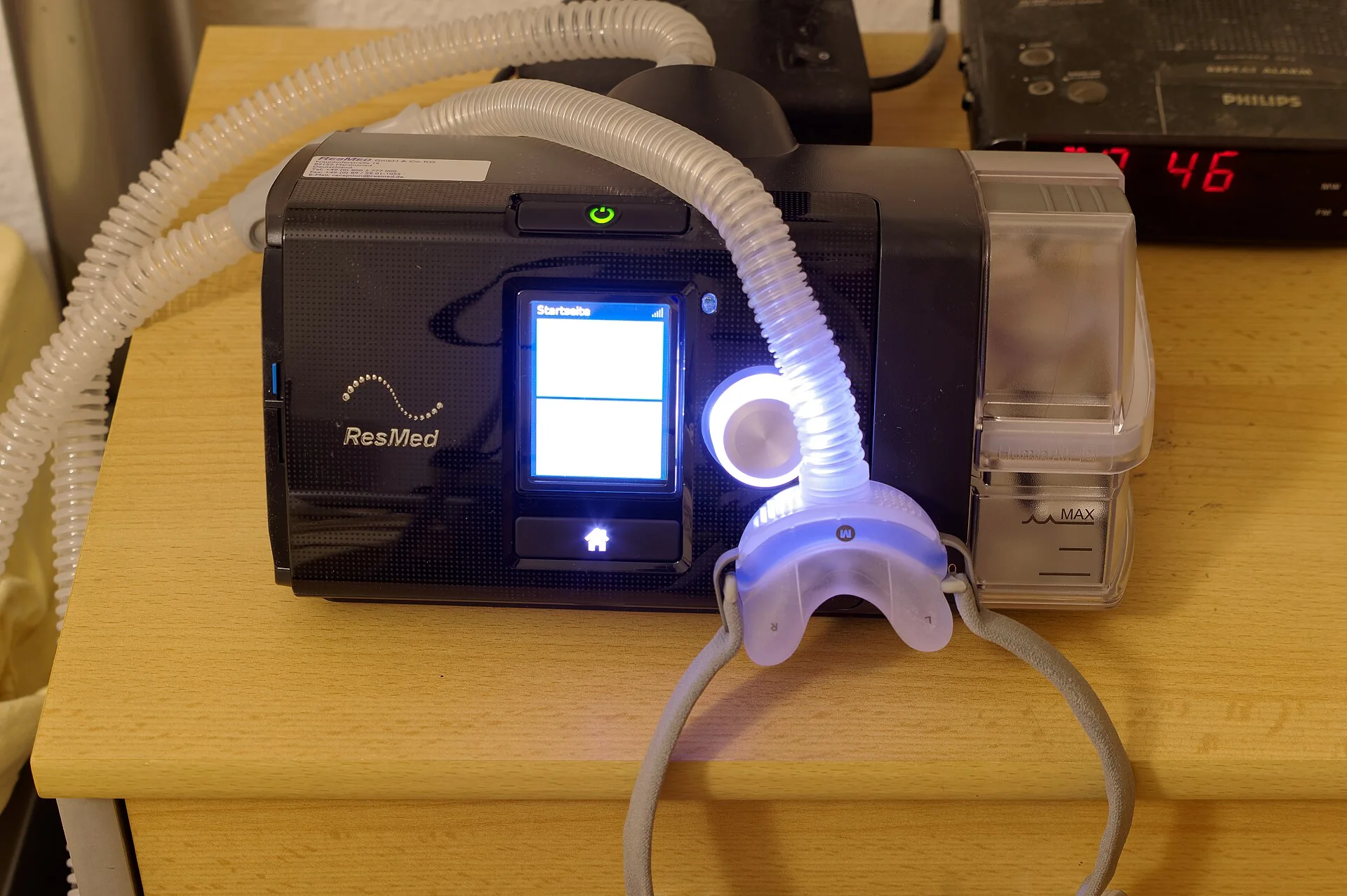
The bill tells the VA to rewrite its rating schedule for sleep apnea. Veterans with no symptoms would get 0%, treated or not, and 10% if treatment brings only partial relief. A 50% rating would require that treatment fail, or that another condition keep the veteran from using it, with no damage to other organs. Only organ damage would bring 100%.
Tinnitus would generally no longer get a separate paid rating. The one exception is a 10% rating when the tinnitus is tied to service-connected hearing loss that does not qualify for compensation on its own.
These changes would apply only to claims filed after the bill becomes law, and the text says they cannot be used to reduce or end compensation a veteran already receives. Current ratings stay.
Rep. Mark Takano of California, the committee's ranking Democrat, said the bill cuts "$57 billion from the disability benefits of future veterans." That figure is his. Edit USA could not review a Congressional Budget Office estimate for the bill.
Higher fees on two VA home loans

The bill raises the funding fee on the VA's interest rate reduction refinancing loan, the streamlined refinance many veterans use when rates fall, from 0.50% to 1.42% of the loan. The fee on a VA loan assumption would rise from 0.50% to 1%.
On a $300,000 streamlined refinance, that would raise the fee from $1,500 to $4,260, an Edit USA calculation from the rates in the bill. Veterans who receive VA disability compensation, surviving spouses of veterans who died of a service-connected disability and active-duty Purple Heart recipients are exempt from the fee under current law.
What the bill would add
The package folds in the Major Richard Star Act, which would let veterans medically retired with a combat-related disability collect both military retired pay and VA disability compensation even with fewer than 20 years of service. It also includes the Love Lives On Act, which would let surviving spouses who remarry keep dependency and indemnity compensation. Other sections would pay a supplemental $833.33 a month to veterans who qualify for the VA's aid and attendance allowance, starting Dec. 1, 2026, under the text, extend the higher survivor payment to families of all veterans who die of ALS, and add one percentage point on top of the next three cost-of-living increases for survivor benefits.
"This landmark bill finally reduces the wounded veteran tax, it expands mental health options," said Rep. Mike Bost, the committee's Republican chairman, in the majority's release.
What happens next
The Senate would have to pass the bill too. Takano's office said the bill has almost no chance of passing the Senate. Separately, the House voted Thursday on a stand-alone version of the Star Act, which Edit USA covered on Nov. 12.