
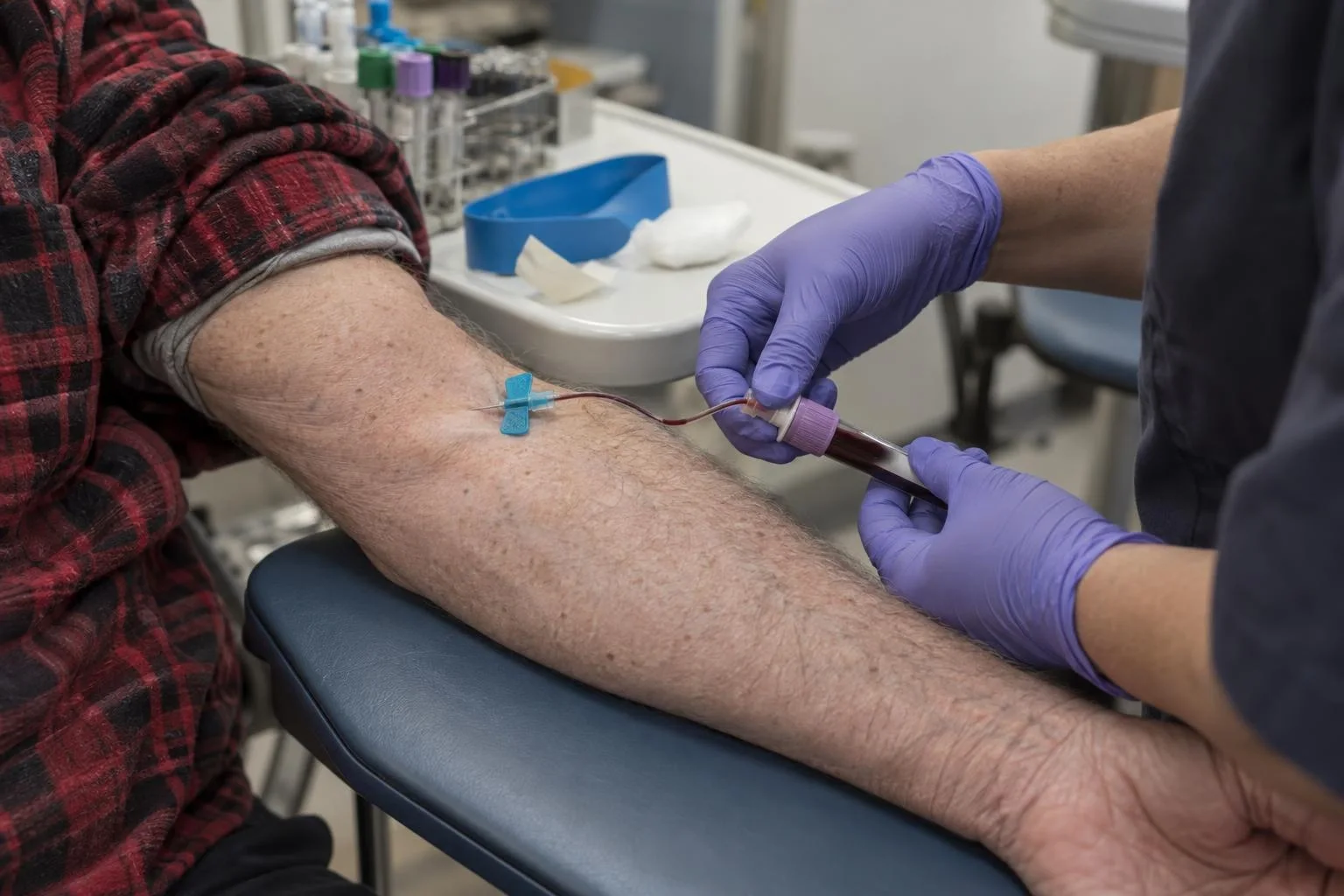
Most men ages 50 to 69 should get a PSA blood test every two years, and Black men and men with a strong family history should start at 45 and test every year, under a new prostate cancer screening guideline from the American Cancer Society released Thursday, Nov. 12.
It is the society's first update since 2010, and ACS calls it a direct recommendation to screen. Before the first test, ACS wants doctors to make sure each man understands what screening can and cannot do, including the possible harms. The guideline was published in the society's journal, CA: A Cancer Journal for Clinicians.
Who should get a PSA test, and how often
| Group | Start | How often | Through |
|---|---|---|---|
| Average risk | 50 | Every 2 years | 69 |
| Black men | 45 | Every year | 69 |
| A close relative diagnosed before 65, or more than one close relative diagnosed | 45 | Every year | 69 |
| One close relative diagnosed at 65 or older | 45 | Every 2 years | 69 |
A close relative here means a father, brother or son. For men 70 to 74, the society's updated recommendations page leaves the choice to each man and his doctor because the balance of benefit and harm is unclear at that age, and those who keep going should test every two years. ACS does not recommend screening from 75 on. Very healthy men ages 75 to 79 whose PSA has been rising may want to talk with their doctor about continuing, but after 80, or at any age for men with a life expectancy under 10 years, screening is not recommended.
Men with an inherited mutation such as BRCA2 should ask their doctor when to begin. ACS does not endorse the digital rectal exam for screening, though a doctor may still use it while working up a high PSA.
What happens if a PSA result is high
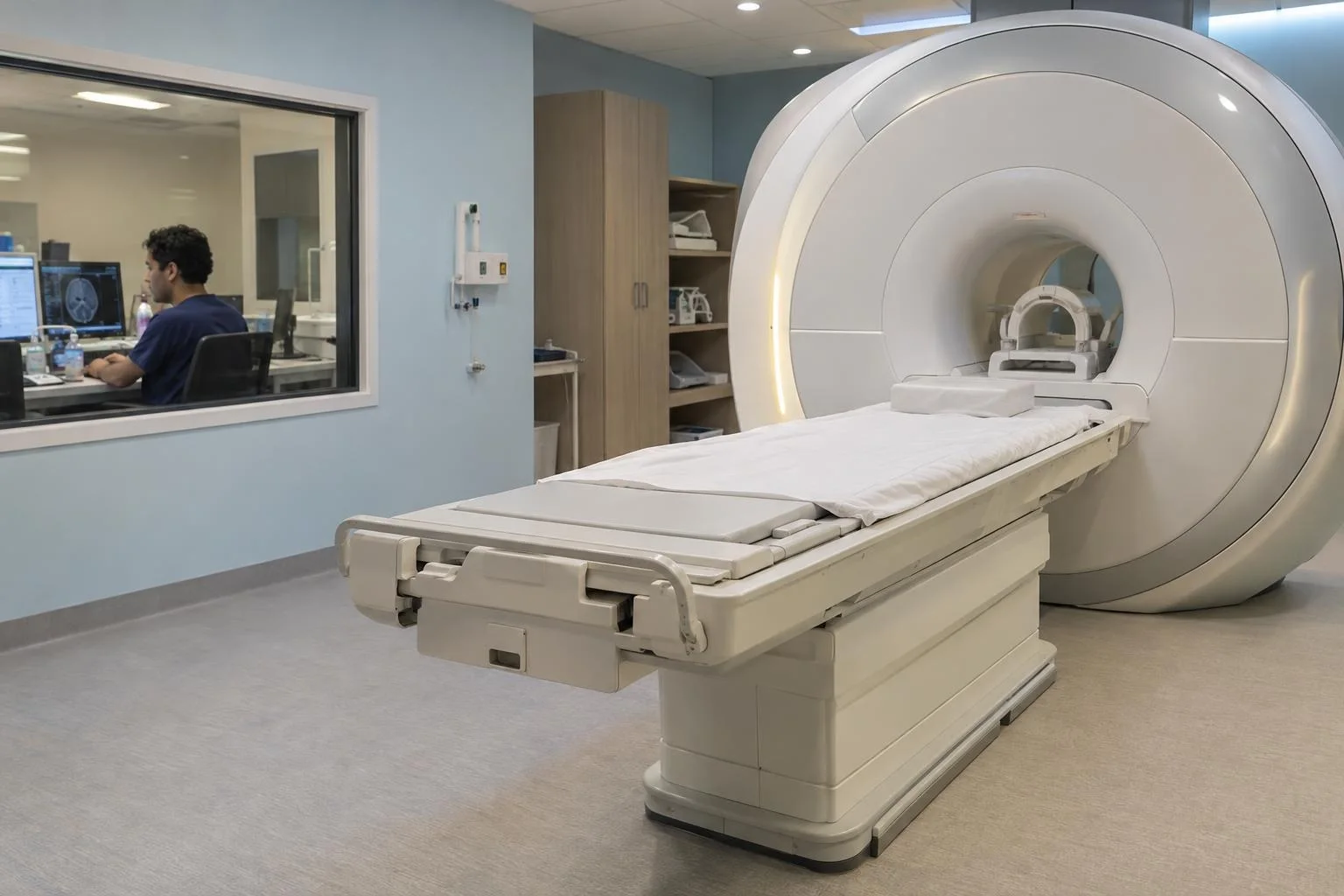
The guideline sets the cutoff at 3 ng/mL for men under 70 and 6.5 ng/mL for men 70 and older. A high result should be repeated two weeks to three months later. If the number stays high, most men should get a prostate MRI or a biomarker test, sometimes both, before anyone decides on a biopsy.
A high reading is not a cancer diagnosis, and it does not automatically lead to a biopsy.
Men found to have a low-risk cancer should be offered active surveillance first. That means regular PSA tests and biopsies, and possibly MRIs. Treatment waits unless the cancer starts to look riskier. ACS says the approach lets some men put off or skip treatment side effects, including urinary, sexual and bowel problems.
Why the society changed its advice
ACS says the evidence that PSA screening cuts prostate cancer deaths and late-stage diagnoses is stronger now than it was in 2010. Its guideline group reviewed the research. The society also commissioned a modeling study that compared screening schedules. The society estimates 333,830 American men will be diagnosed with prostate cancer this year and 36,320 will die of it. Prostate cancer is the second leading cause of cancer death among men in the United States. "Black men experience a 67% higher incidence and nearly double the mortality rate compared with White men," said Dr. William Dahut, the society's chief scientific officer.
How this compares with the federal task force
The U.S. Preventive Services Task Force still advises that screening for men 55 to 69 be an individual decision, a C grade, and recommends against it at 70 and older. That advice dates to May 2018.
The task force lists prostate screening as an update in progress.
What screening costs
Medicare Part B covers a PSA test once every 12 months for men over 50, and patients pay nothing for the test itself. A digital rectal exam costs 20% of the Medicare-approved amount once the Part B deductible is met.
Private insurance is less certain. Prostate screening is not on HealthCare.gov's list of preventive services that Marketplace plans must cover without a copay, so a man with a private plan may owe part of the bill. The society's advocacy arm, ACS CAN, said it will push for PSA screening and the follow-up tests to be covered with no cost sharing.