

Sen. Tammy Baldwin and nine other senators introduced the Medicare at 50 Act on Nov. 10. It would let some adults ages 50 to 64 pay to join Medicare before the usual eligibility age of 65. The bill is a proposal, so it creates no enrollment option for people shopping for 2027 health coverage now.
For a worker who retires at 62 or loses a job with health benefits at 58, the proposal would add another way to cover the years before Medicare. What that person would pay depends on two separate calculations in the bill: the premium for the people who buy in and any financial assistance the individual qualifies for.
Who could buy into Medicare under the Senate bill?
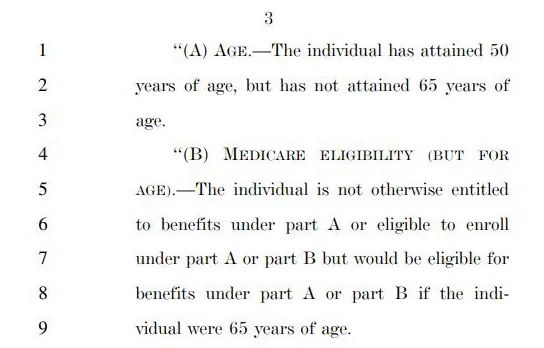
The Senate bill text sets the age range at 50 through 64. The option is aimed at people who cannot already get Medicare through Part A or Part B but would qualify for one of those parts if they were 65. Turning 50 would clear the age requirement, but applicants would still have to meet the bill's other eligibility conditions.
People who qualify for Medicare before 65 under current rules have their own route into the program. Medicare.gov explains when Medicare can start earlier for people with disabilities, amyotrophic lateral sclerosis (ALS) or end-stage renal disease.
The Senate proposal would give enrollees hospital, medical and prescription drug benefits and the protections that come with Parts A, B and D. They could also choose a Medicare Advantage plan that includes prescription drug coverage. A Medicare Advantage or drug plan with a higher premium could cost the enrollee extra.
How the monthly bill would be set
The proposal gives the Department of Health and Human Services a formula. The department would estimate average annual benefits and administrative costs per buy-in enrollee, then divide that amount by 12. Who enrolls and what their care costs would help determine the monthly premium. The bill gives no dollar figure.
Today's Medicare prices show why the premium formula matters. Most Part A enrollees pay no monthly premium, generally because they or a spouse paid Medicare taxes for at least 10 years. The standard 2026 Part B premium is $202.90 a month, with higher amounts for some people based on income. Neither figure tells a 55-year-old what the buy-in would cost. The proposed premium would cover a package that includes hospital, medical and drug benefits for the buy-in group.
The bill would also provide assistance similar to what eligible people could receive through the Affordable Care Act Marketplace. It directs the government to estimate those amounts using factors including income, age and local costs. The assistance could reduce premiums and costs when a person gets care. So even with a published buy-in premium, households would need to compare what they actually pay after assistance, along with the cost of the care they expect to use.
How the House proposal differs
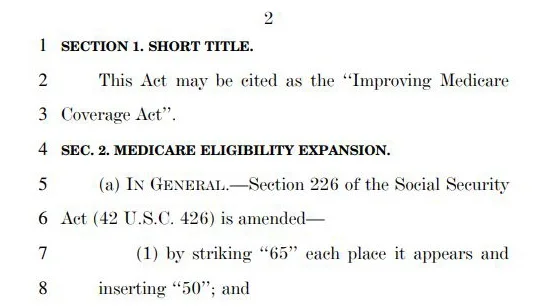
Rep. Pramila Jayapal introduced the Improving Medicare Coverage Act on Oct. 22. Where the Senate bill adds a buy-in with its own premium calculation, the House bill would change the age threshold in the law that governs regular Medicare entitlement. It would replace 65 with 50 in that provision and make related changes elsewhere in Medicare law. Neither bill has changed the rules in force today.
What to do about coverage for 2027
The Senate proposal would start coverage on Jan. 1 of the first year that begins at least one year after enactment. If Congress passed it and it became law in November 2026, for example, coverage could first start in January 2028.
People who need insurance for January 2027 should work with the choices available now. On the federal Marketplace, Dec. 15 is the last day to enroll or change plans for coverage that starts Jan. 1. Jan. 15 is the end of federal open enrollment, with coverage starting Feb. 1 for people who sign up after Dec. 15 and pay their first premium. People who use a state Marketplace should check that exchange's own deadlines.