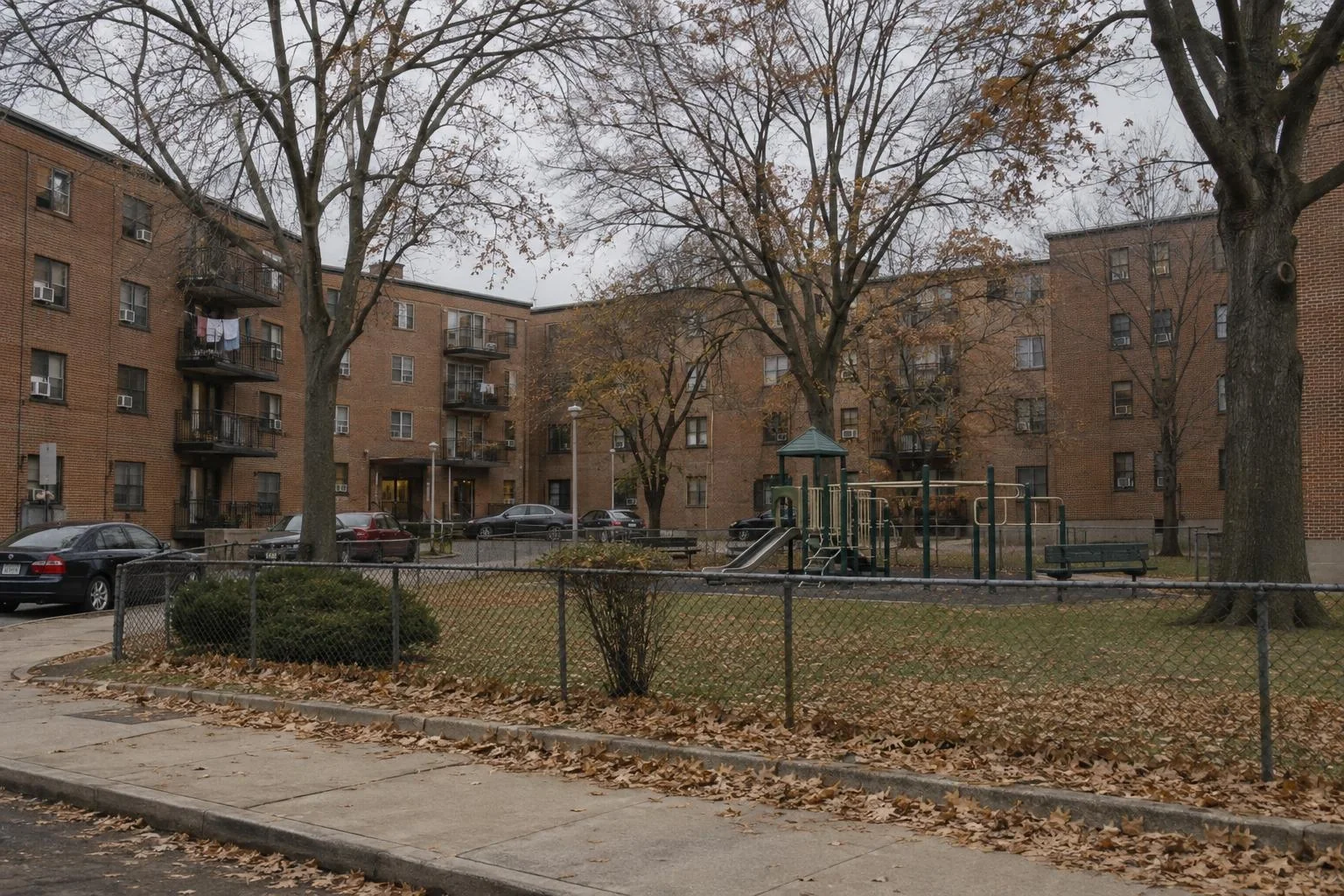
Housing agencies and owners will have to verify U.S. citizenship or eligible immigration status for each household member in public housing, Section 8 and other covered programs under a rule the Department of Housing and Urban Development published Thursday, Nov. 12. Children are included. Existing tenants who already submitted the required evidence during continuous assisted occupancy generally do not have to submit it again. The final rule in the Federal Register takes effect Monday, Dec. 14. It ends an exemption that spared people 62 and older from some of the paperwork.
The rule also changes how HUD treats families with mixed immigration status. For three decades, those families could live together in assisted housing with a subsidy cut to cover only the eligible members. That reduced help, called prorated assistance, now lasts only while a family's status is being checked.
Who is covered
The rule applies to public housing, Section 8 vouchers, Section 8 project-based rental assistance and some older programs such as Section 236. U.S. citizens who still need to submit evidence must sign a declaration and a verification consent form and provide their assigned Social Security number. Housing providers use the Department of Homeland Security’s SAVE system for the initial check. If that check does not confirm citizenship, the provider must send a notice explaining whether documents are needed. For that second check, the rule lists documents such as a U.S. birth certificate, a valid U.S. passport, a naturalization certificate, a certificate of citizenship or a consular report of birth abroad. Eligible noncitizens submit their status documents, a declaration and a consent form.
Gone, too, is the option for a household member to "not contend" eligibility, which let a family keep its reduced subsidy without that person's status ever being verified.
Each person has to submit proof only once, as long as the family stays in HUD-assisted housing, even if it moves between covered programs.
The deadlines
| Who | When proof is due |
|---|---|
| New applicants | During the application process |
| Mixed-status families that have not submitted evidence | Within 90 days of Dec. 14, which falls on March 14, 2027 |
| Other current tenants who have not submitted evidence | At their next annual or interim review of income and household members after Dec. 14 |
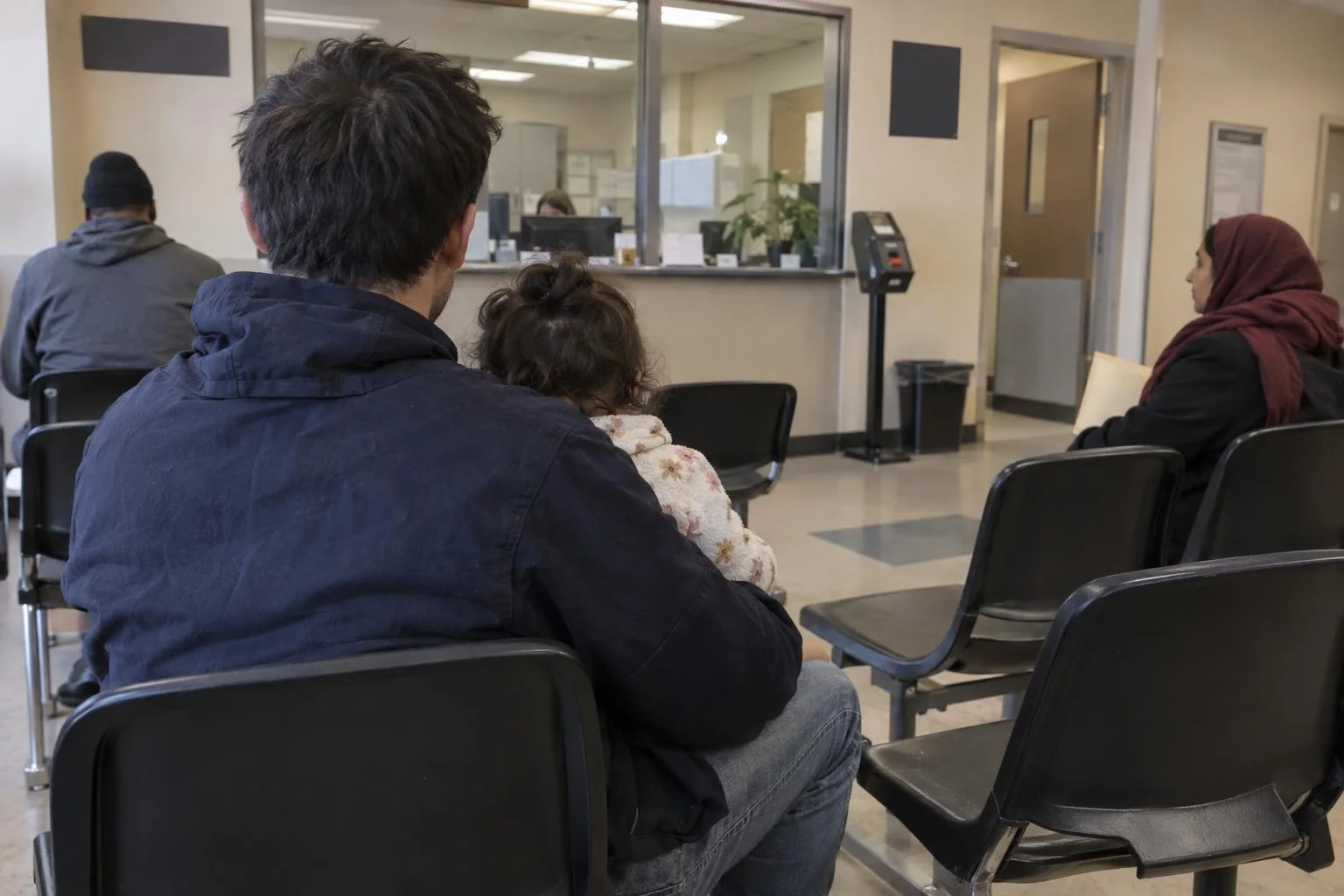
Housing providers must notify tenants who still need to submit evidence by Jan. 11, 2027. The notice must explain what to send, when it is due and how to request an extension.
A tenant who signs the declaration and consent forms and certifies that a document is temporarily unavailable must be given more time, up to 60 days. Families whose eligibility is denied can ask for an informal hearing.
What happens to mixed-status families
A family that cannot verify every member may qualify for a temporary deferral of termination, up to 18 months under the rule, before assistance ends. HUD said that option is meant to reduce the risk of families becoming homeless.
HUD's own analysis estimates that 19,660 citizens or eligible noncitizens in the affected programs have not yet provided proof for any other purpose. Comments on the rule cited estimates that nearly 80,000 people live in about 20,000 mixed-status families, and HUD's Nov. 10 announcement said an audit with DHS found nearly 200,000 tenants with incomplete or unknown eligibility verification.
"President Trump warned that the days of illegal aliens and ineligible noncitizens exploiting government-funded welfare programs would be over," HUD Secretary Scott Turner said in that announcement.
What tenants can do now
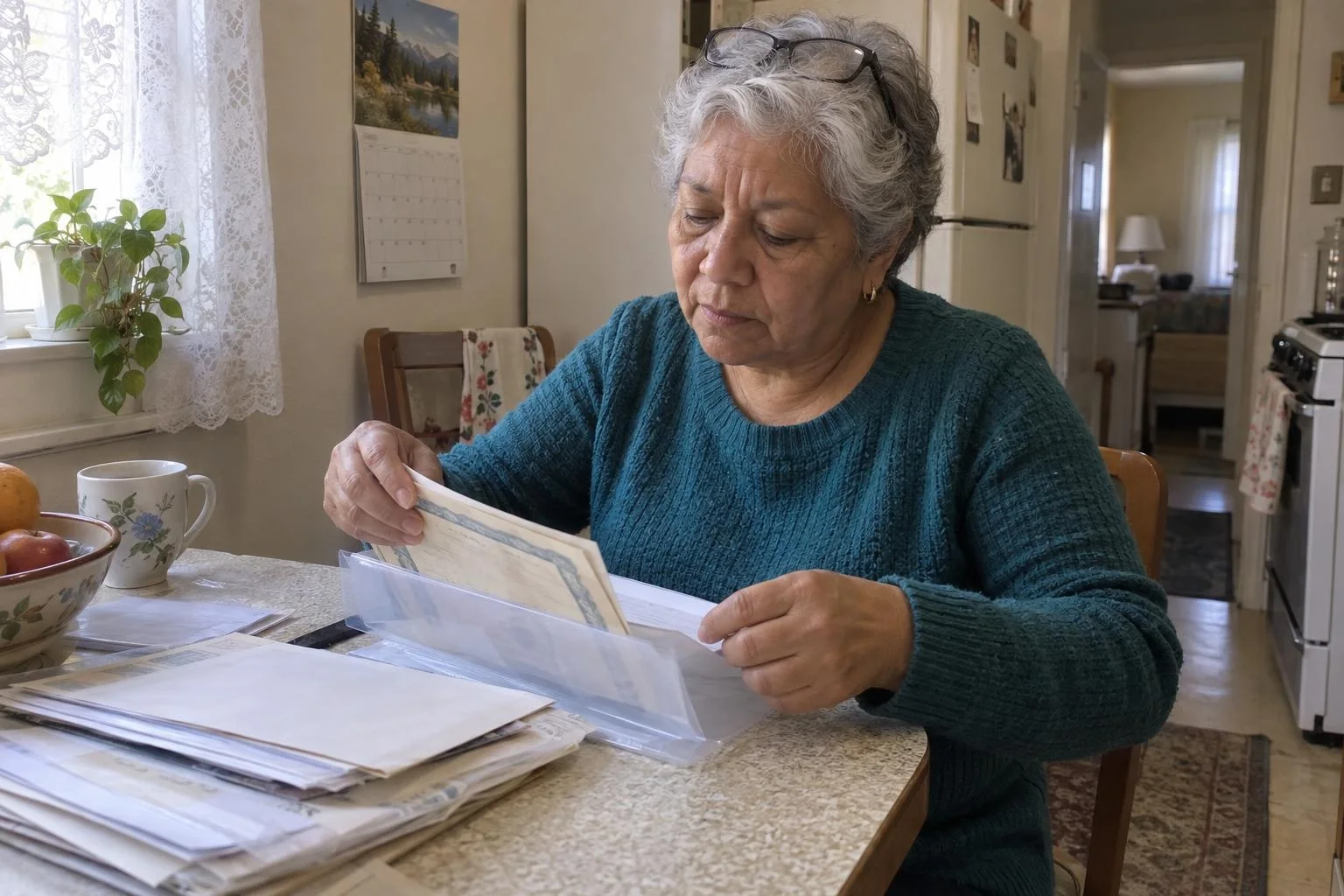
If you live in HUD-assisted housing and are unsure whether you already submitted the required evidence, ask your housing agency or building owner what it has on file. If you receive a notice requesting documents, check the deadline and ask about an extension if you need time to obtain them.
Correction, Nov. 12: An earlier version said every covered tenant would have to provide citizenship documents. The rule also recognizes eligible immigration status. It requires citizenship documents only when needed for a second verification check, and tenants who have already submitted the required evidence during continuous assisted occupancy generally do not have to submit it again.