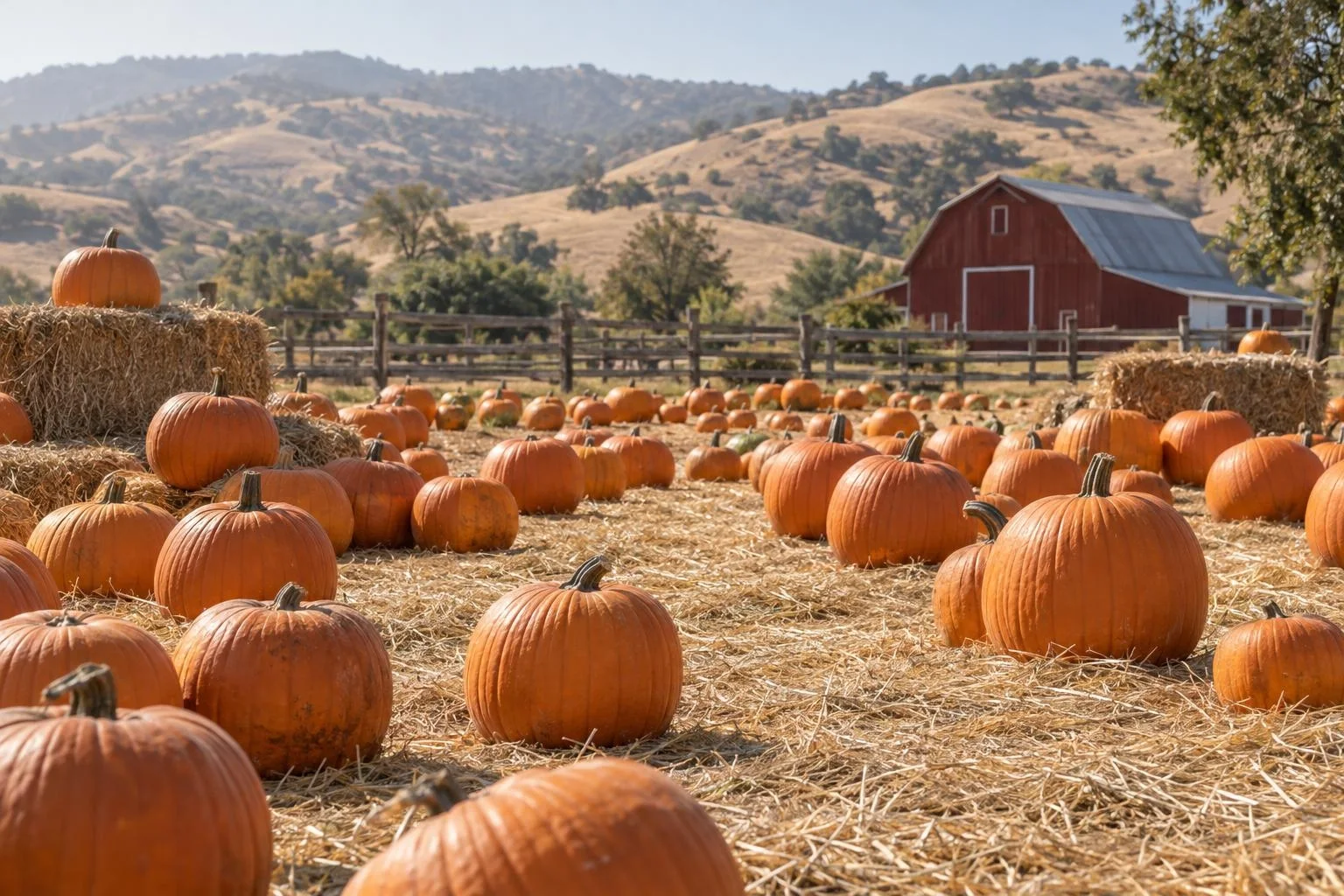
One person has died in the E. coli O157 outbreak linked to Brookshire Farms, a pumpkin farm in San Luis Obispo, California, county public health officials confirmed on Tuesday, Nov. 10. The county gave no age and no other details about the person.
The death comes four days after the County of San Luis Obispo Department of Public Health said it was wrapping up its investigation-outbreak-investigation) and that there was no longer an ongoing public health threat. The farm reopened that day.
Edit USA first reported on this cluster on Oct. 28, when three young children had developed a kidney complication.
What the county's investigation found
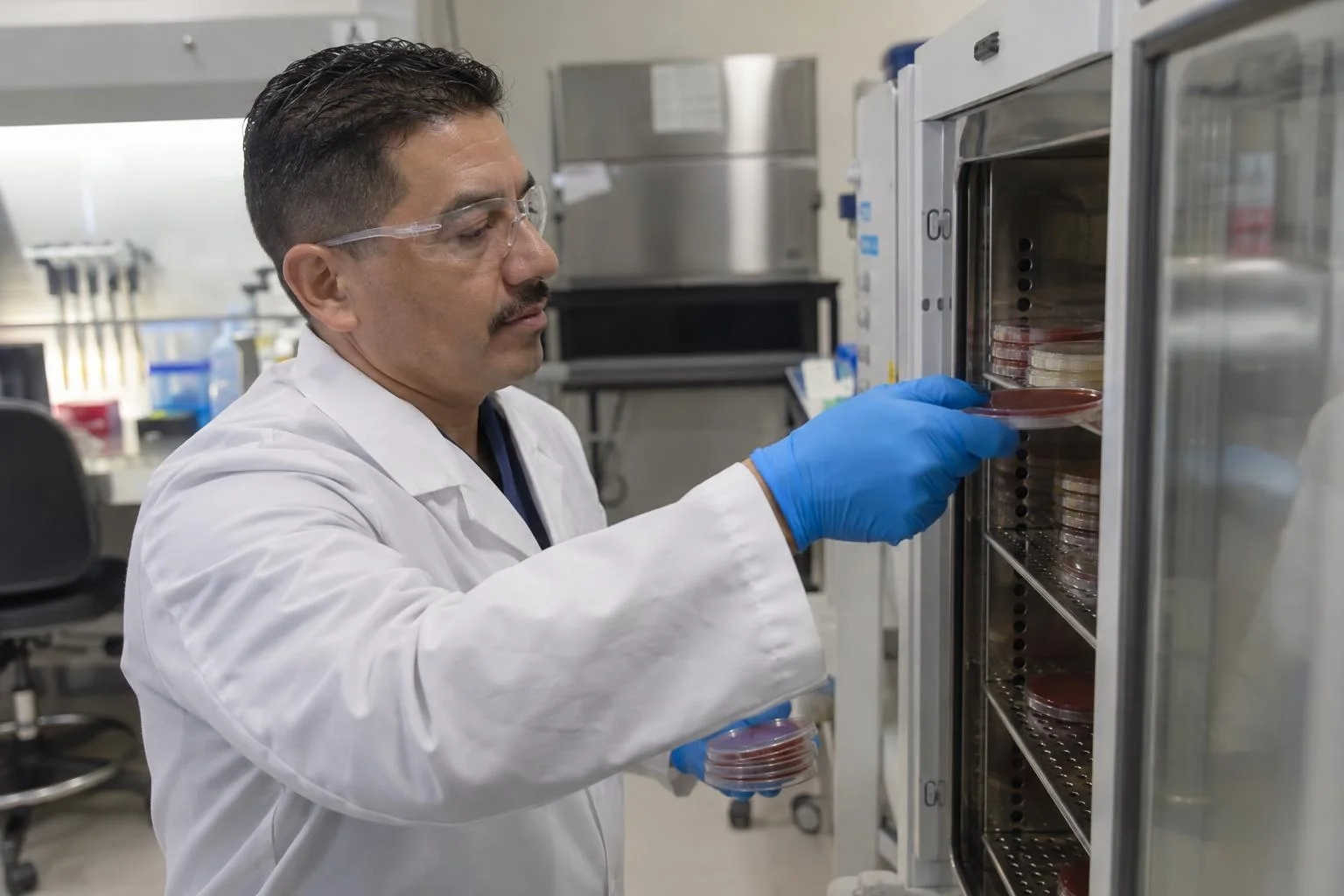
All five people with lab-confirmed infections visited the farm on Oct. 17 or 18. Bacteria from three of them were a genetic match, and the strains did not closely match others in national databases, which the county said strongly suggests a single shared source. Ten more people who visited between Oct. 16 and 26 and got sick are counted as suspect cases.
Investigators never found the source.
Tests of water, food and other samples at the farm did not turn up E. coli O157. The county listed edible corn cups, pumpkins, hay and non-potable water as exposures many patients had in common, and said there were no farm animals or petting zoo open to visitors.
In its Oct. 30 update, the county said three cases had developed hemolytic uremic syndrome, a complication that can damage the kidneys, and that one more person had been hospitalized and released. The county has not said whether the person who died was among those patients.
Symptoms to watch for
Shiga toxin-producing E. coli can cause severe stomach cramps, diarrhea that may be bloody, vomiting and sometimes fever. Symptoms usually start three to five days after exposure but can take up to 10 days. Children under 10 face the highest risk of complications, according to the county, and anyone with these symptoms should see a doctor.
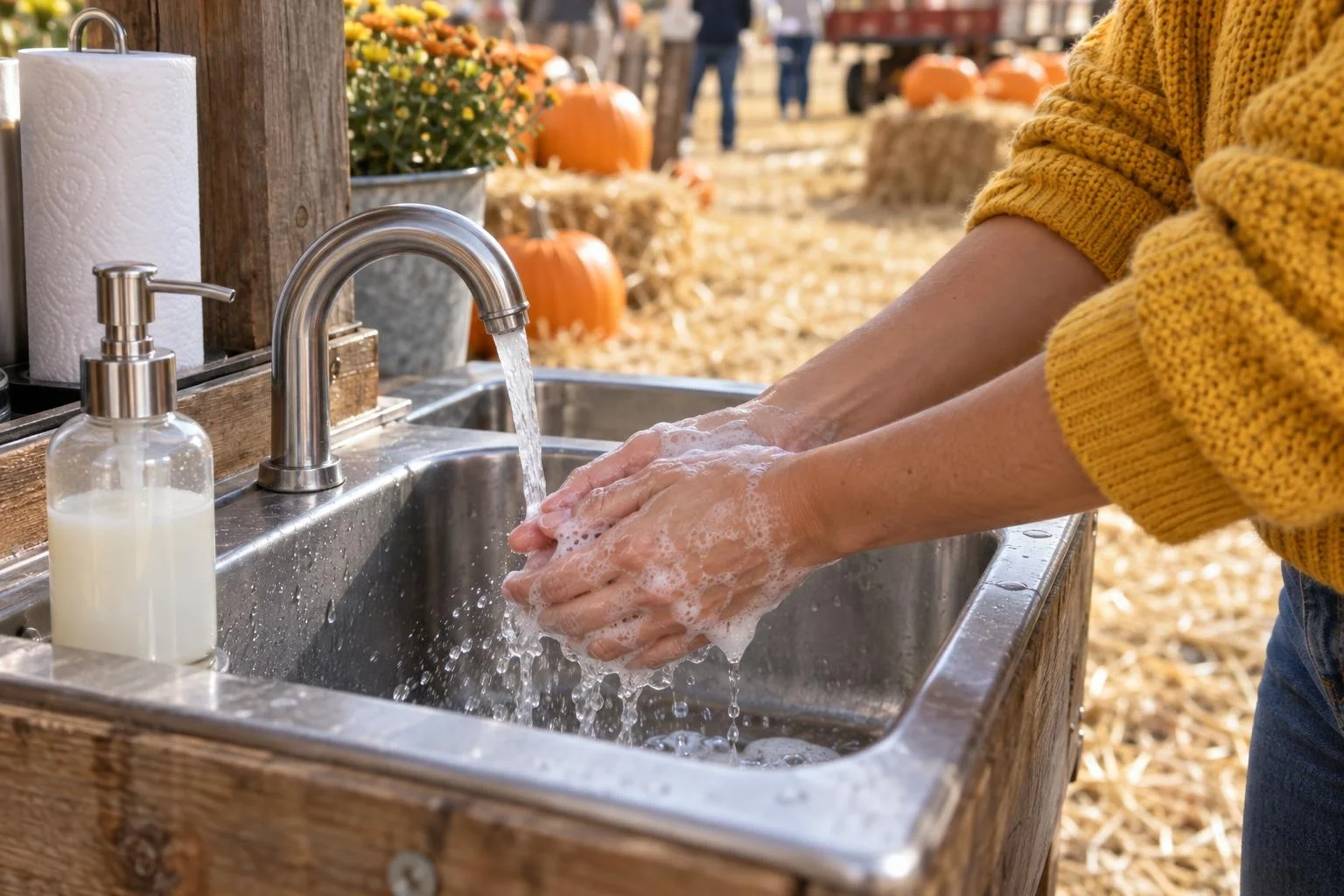
The county's advice holds for any farm visit. Wash your hands with soap and water after being outdoors or touching animals, and before eating. Skip untreated water and unpasteurized milk or juice.