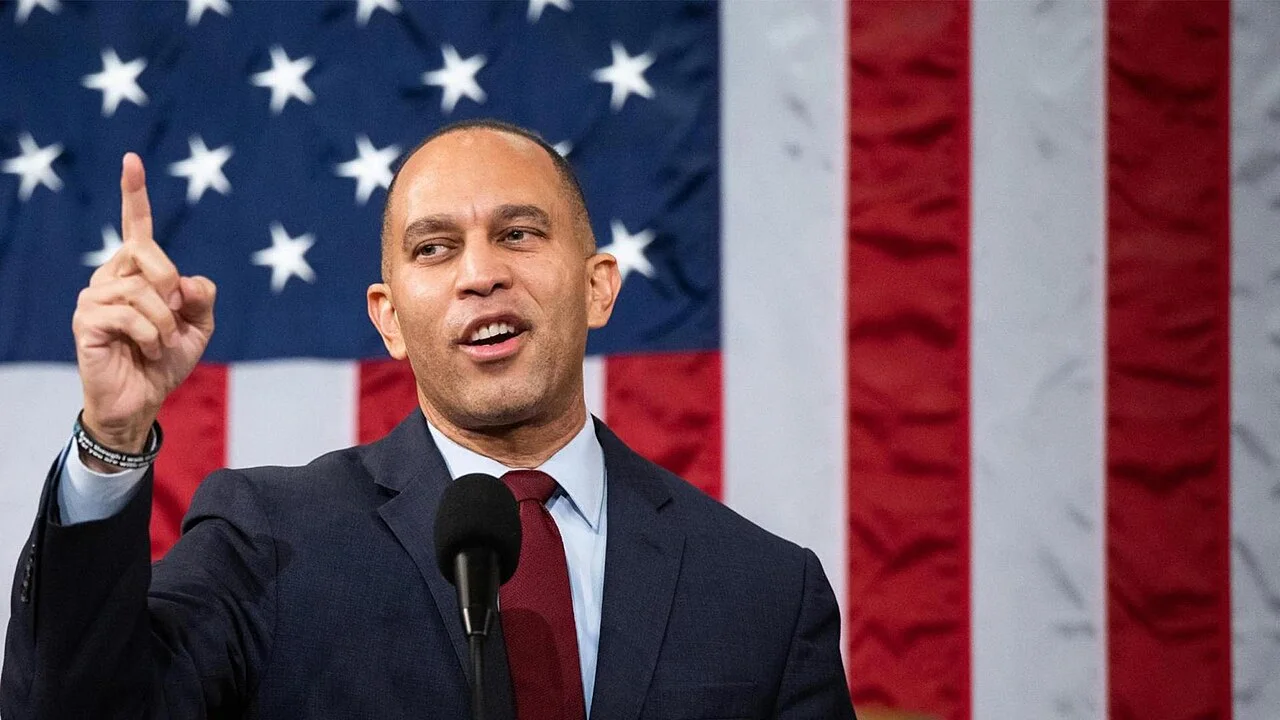
White House counsel William Scharf warned Rep. Robert Garcia that some uses of congressional subpoenas or threats against executive officials could draw a criminal investigation. In a signed Nov. 9 letter, Scharf argued that public comments by Democrats showed they intended to use investigations to harass officials. Garcia, the top Democrat on the House Oversight Committee, rejected that argument Wednesday and said the committee would continue its work.
The dispute comes before the next Congress takes office in January. The letter warns about future conduct. It identifies no subpoena it seeks to block and announces no criminal case. The legal questions would become more specific if a committee issued a demand for records or testimony and the recipient disputed its authority.
Who can issue a House subpoena?

Under the current House rules, committees can require witnesses to testify or provide documents for work within their authority. A committee can delegate the power to authorize and issue subpoenas to its chair. The Oversight Committee's current Rule 12 gives its chair that power for investigations within the committee's jurisdiction. Garcia is the ranking Democrat in the current Congress. In a Nov. 3 statement, committee Democrats said he would become chair after the change in House control.
The rules explain who can issue a subpoena. The Constitution and court precedents limit what the committee can seek. The Supreme Court has recognized Congress's need to gather information to write laws and oversee how they are carried out. A subpoena must further a legitimate legislative task. In his response, Garcia said Congress derives that oversight power from Article I and does not need White House permission to exercise it.
A century-old case illustrates the difference between investigating an agency and prosecuting a crime. In McGrain v. Daugherty, the Supreme Court upheld the Senate's authority to compel testimony in an inquiry into how the Justice Department was doing its job. The court concluded the inquiry could inform legislation governing the department.
What the Supreme Court decided in Mazars

Scharf cited the court's 2020 ruling in Trump v. Mazars. That dispute involved four subpoenas from three House committees seeking personal financial records of President Donald Trump, his children and affiliated businesses from banks and an accounting firm. The justices said Congress cannot use subpoenas to carry out law enforcement, a responsibility assigned to the executive and judicial branches. The court also recognized Congress's power to seek information for legislation.
For demands involving a president's personal records, the court told lower courts to weigh several concerns. Could Congress get the information from another source? Was the request broader than necessary? How well had the committee documented its legislative purpose? What burden would compliance impose on the president? The justices returned the cases to the lower courts for review under that approach. They did not announce a blanket rule covering every demand for executive branch records or testimony.
What a dispute would look like
The Congressional Research Service's oversight manual describes ways committees get information before an enforcement fight, including voluntary requests, interviews and hearings. An agency and a committee can negotiate over the scope of a request, the records it covers or how the committee may see them. If they cannot agree, a dispute can move toward contempt proceedings or a civil enforcement case, depending on the circumstances.
An actual subpoena would give readers details the letter cannot: the recipient, the material or testimony requested and the deadline to comply. A committee's statement of purpose would help explain how those records connect to a possible law or to oversight of an existing one. The recipient's response would show whether the two sides are negotiating, asserting a privilege or heading to court.