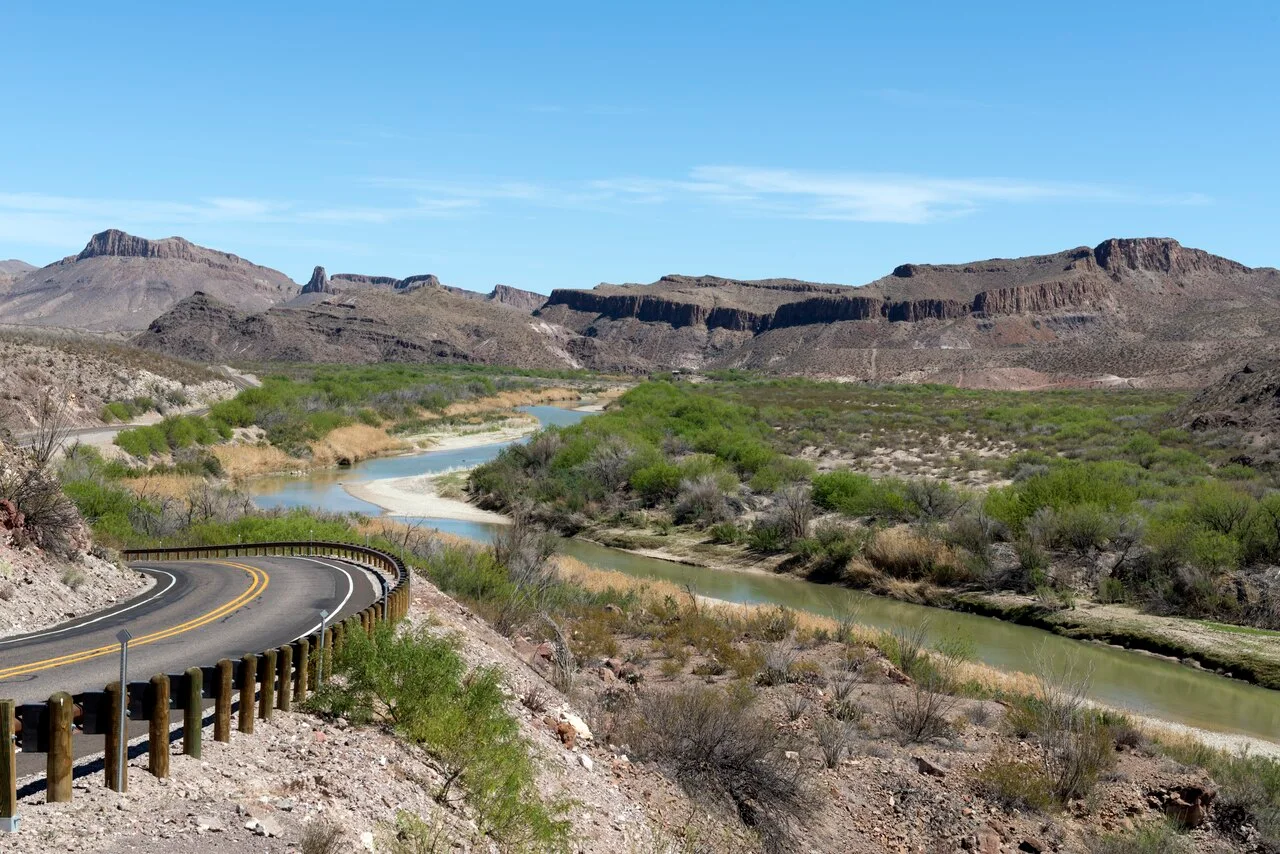
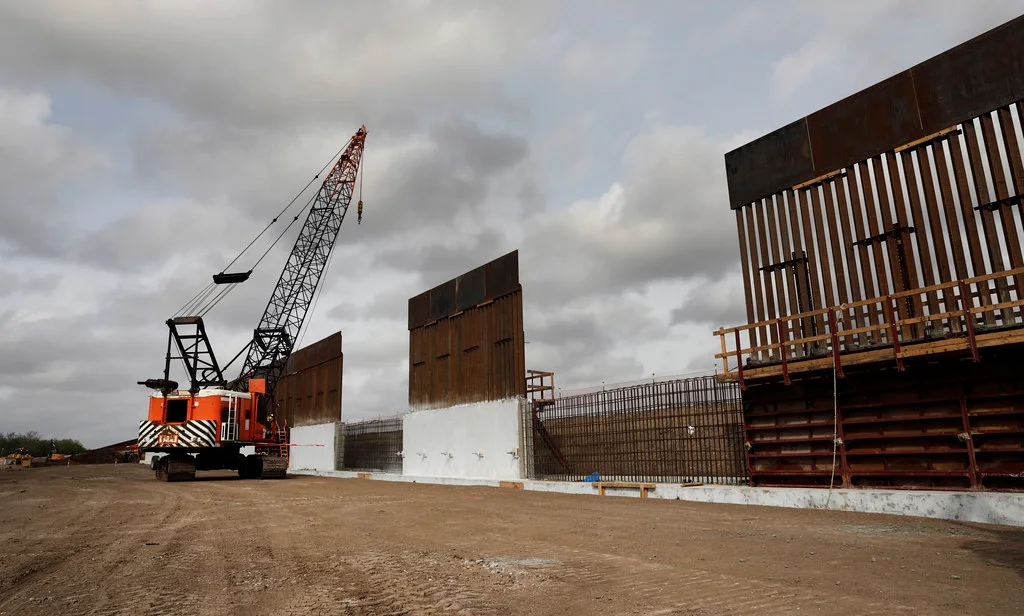
The Supreme Court on Monday, Nov. 9, cleared the way for the federal government to resume building border barriers and roads in West Texas's Big Bend region. In an unsigned order, the justices paused a federal judge's injunction. That injunction stopped the work in early October. Justice Ketanji Brown Jackson said she would have denied the government's request.
The case, Mullin v. Friends of the Ruidosa Church, was brought by a river guide, an environmental group and a nonprofit that works to preserve a historic church in Ruidosa, Texas. They challenged the Department of Homeland Security's decision to set aside more than two dozen federal environmental and historic preservation laws to speed up construction.
What the court decided
The fight is over a 1996 immigration law. It lets the homeland security secretary waive any law that stands in the way of building border barriers quickly. It also limits lawsuits. Judges may hear only claims that a waiver violates the Constitution.
The groups argued that the waivers broke the "major questions doctrine," a rule that agencies need clear permission from Congress for decisions of vast economic or political significance. A federal judge in the Western District of Texas agreed on Oct. 2. Treating the doctrine as a constitutional rule, the judge blocked the waivers and halted all related construction.
The Supreme Court said the judge most likely had no power to hear the claim at all. Saying an official went beyond the authority a law gives him is a claim about the law, not the Constitution, the court wrote.
"There is no such thing as a 'constitutional' major-questions claim," the order says.
The court also pointed to the cost of waiting. A Customs and Border Protection official told the court the injunction was costing the government nearly half a million dollars a day that it could not recover. The groups said construction would spoil their use and enjoyment of the area. The court was not persuaded. By writing the waiver law, it said, Congress put quick border construction ahead of the kinds of harm the groups described.
Where the construction is
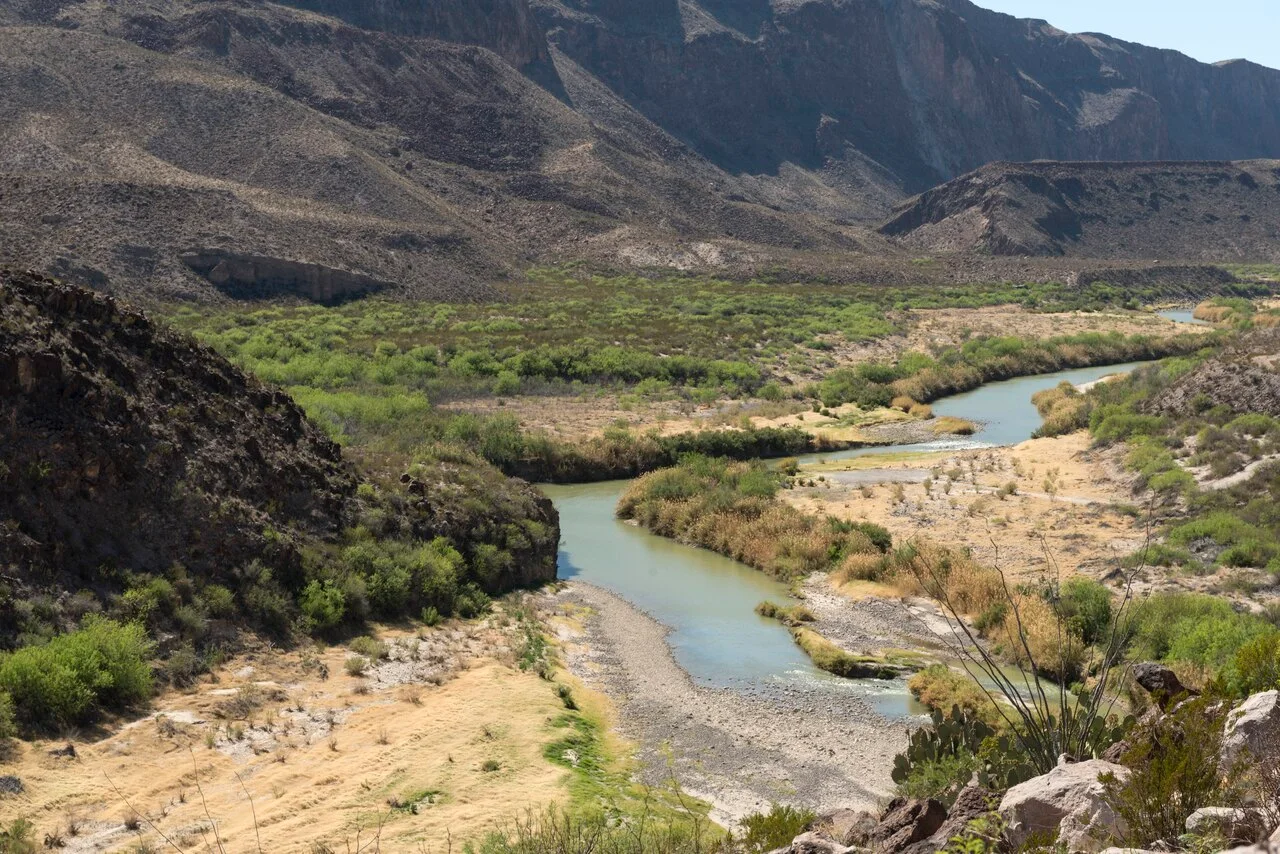
The work is in the part of West Texas the Border Patrol calls the Big Bend Sector, and Homeland Security approved it piece by piece in a series of waivers published in the Federal Register between February and July.
| Notice | What it covered |
|---|---|
| Feb. 17 | First Big Bend Sector segment, later amended July 2 |
| May 15 | A second Big Bend Sector segment, amended June 9 |
| July 27 | Segments in both the Big Bend and Del Rio sectors |
The February notice waived the National Environmental Policy Act, the Endangered Species Act, the Clean Water Act, the National Historic Preservation Act and the Wild and Scenic Rivers Act, among many others. The department justified the work with Border Patrol figures showing more than 89,000 apprehensions between official crossings in the Big Bend Sector from fiscal 2021 through 2025. The notices mark each project area by GPS points and do not give its length in miles.
What happens next
The order keeps the injunction on hold while the government asks the Supreme Court to take up the case. If the justices decline, the pause ends automatically. If they agree to hear it, the pause lasts until they rule.
The lawsuit itself goes on in the federal court in Texas, and under the waiver law any appeal skips the U.S. Court of Appeals for the Fifth Circuit and goes straight to the Supreme Court.