Michael Crichton's estate can keep suing Warner Bros. Television over The Pitt, a California appeals court has ruled. In an opinion filed Wednesday and modified Thursday, the panel said the estate's company had enough evidence that the hit medical drama is a derivative of ER for its breach of contract claim to go forward. It threw out the claims against everyone else the estate sued, including star Noah Wyle.
The plaintiff is Roadrunner JMTC LLC, which holds Crichton's rights in ER and is controlled by his widow, Sherri Crichton. Crichton created ER and produced it with Steven Spielberg's Amblin. He died in 2008.
The 1994 "frozen rights" deal
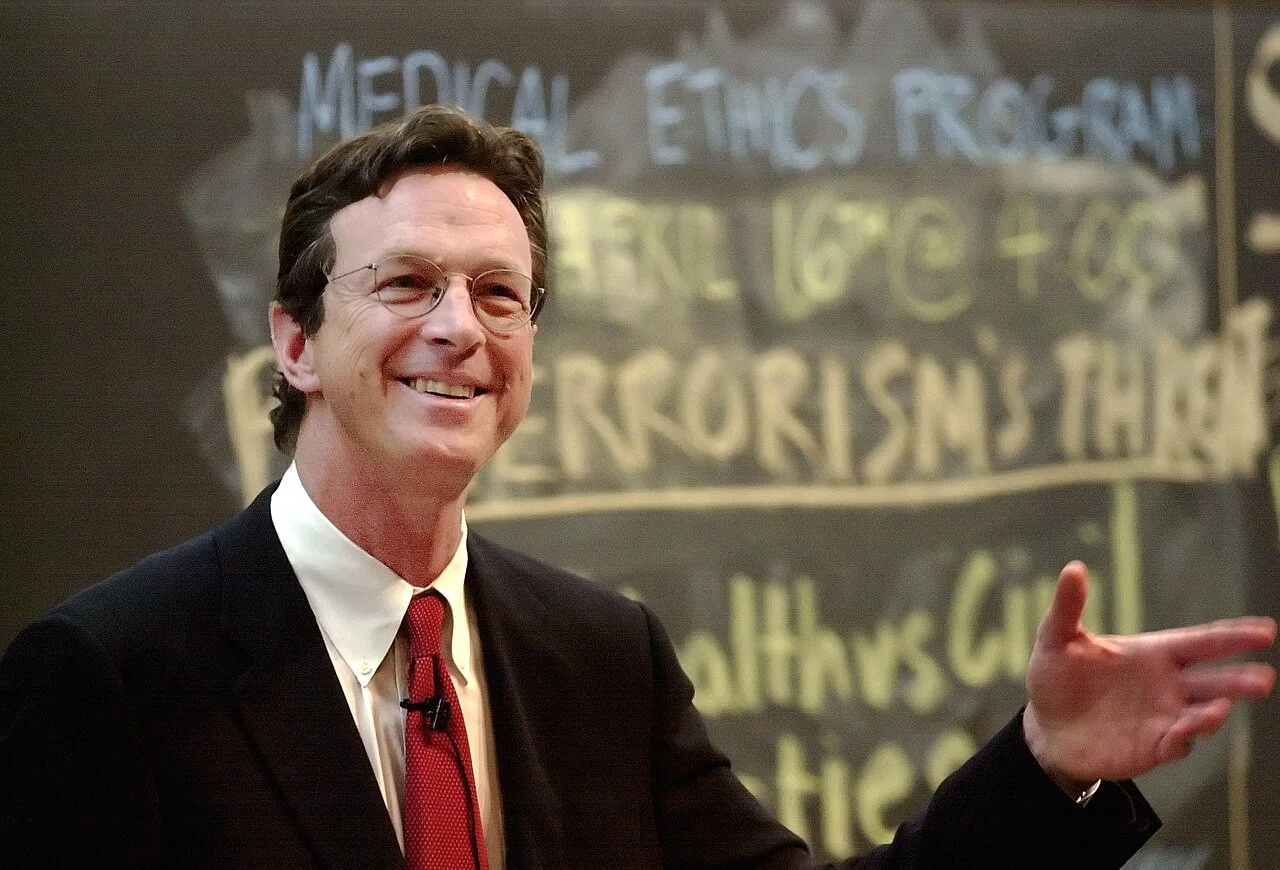
When Crichton sold ER to Warner Bros. Television, he negotiated an unusual clause. Under his 1994 agreement with the studio, "any and all sequels, remakes, spin-offs and/or other derivative works" were frozen unless Crichton, Amblin and Warner Bros. all agreed.
The complaint, as the court summarizes it, says the defendants started developing an ER reboot in 2020. Sherri Crichton was asked to approve it about two years later and refused after some negotiation. The defendants then developed The Pitt, which the estate calls "ER 2.0." The defendants disagree.
Why the claim against the studio survives
The case reached the appeals court on an anti-SLAPP motion, a California procedure that lets defendants ask a judge to end a lawsuit early when it targets speech or other protected activity. Los Angeles Superior Court Judge Wendy Chang denied the motion, and the studio appealed.
To keep its case alive, the estate only had to show a reasonable chance of winning. The court said it did that, even under the stricter copyright-law definition of "derivative" that the defendants wanted. Both pilots keep almost all the action inside the emergency room, comment on the health care system, and move at a fast pace through overlapping crises and dense medical jargon. Both include graphic injuries, exhausted staff and a young doctor fresh out of medical school who struggles.
The defendants argued those are stock features of any emergency room drama. The court said that argument "has some strength" but found the particular combination of elements enough for now. Citing an expert's declaration, it said the two pilot scripts could pass for episodes "of a single continuing series." The ruling does not decide whether The Pitt actually breached the contract.
The court also let the estate's claim for breach of the implied covenant of good faith and fair dealing proceed against the studio.
Why Noah Wyle and the others are out
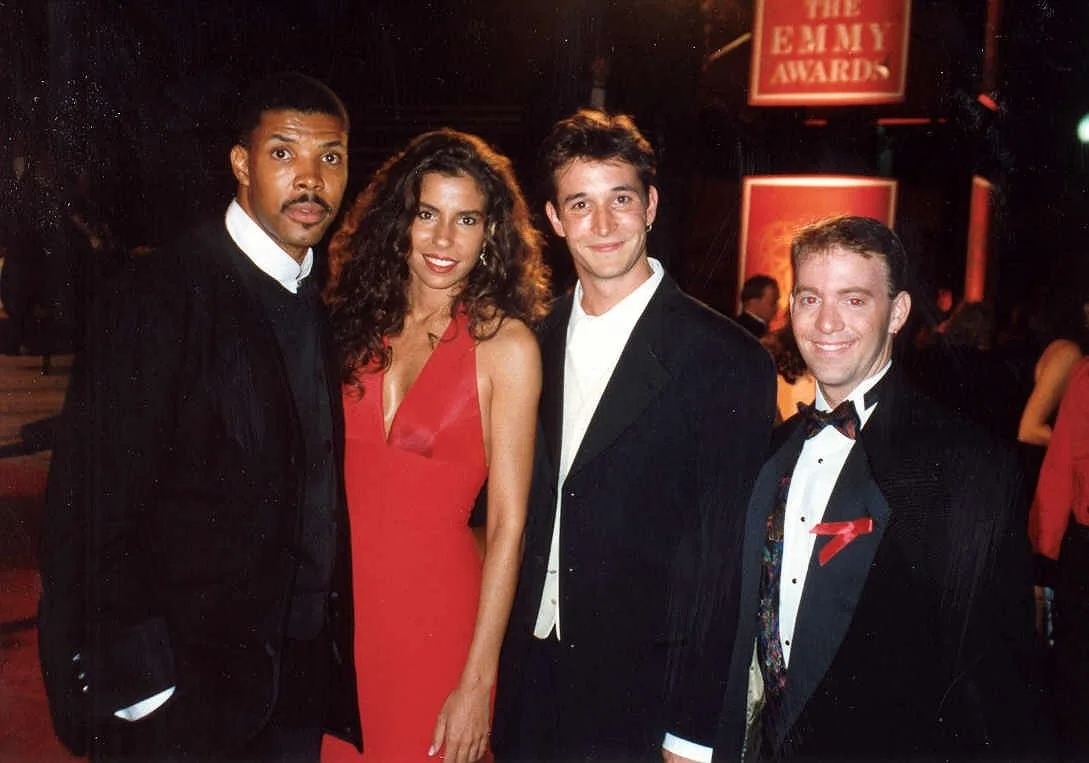
Wyle acted in both shows. He was sued along with executive producer John Wells and his company, showrunner R. Scott Gemmill and WarnerMedia Direct, which the complaint says airs the show, on a claim of intentional interference with Crichton's 1994 contract. To win that claim, the estate had to show they knew enough about the freeze clause to know The Pitt would breach it. The court found no such showing. It ordered the trial court to grant the anti-SLAPP motion for those defendants and dismiss them, and each side pays its own appeal costs.
The opinion is unpublished, so it cannot be cited as precedent in other California cases. The case now returns to the Los Angeles court, where Warner Bros. Television remains the defendant.