A California appeals court has rejected claims by four school districts that Meta, Snap, TikTok and YouTube owe them for a student mental health crisis the districts blame on social media. In a published opinion filed Thursday, a three-judge panel of the Second District Court of Appeal upheld Los Angeles Superior Court Judge Carolyn Kuhl's 2024 dismissal of the districts' negligence and public nuisance claims.
The four plaintiffs are San Diego Unified School District, the School Board of Brevard County in Florida, Vancouver School District No. 37 in Washington and West Warwick Public Schools in Rhode Island. Their complaints were the first school district cases picked for legal challenges in the coordinated California proceeding known as the Social Media Cases.
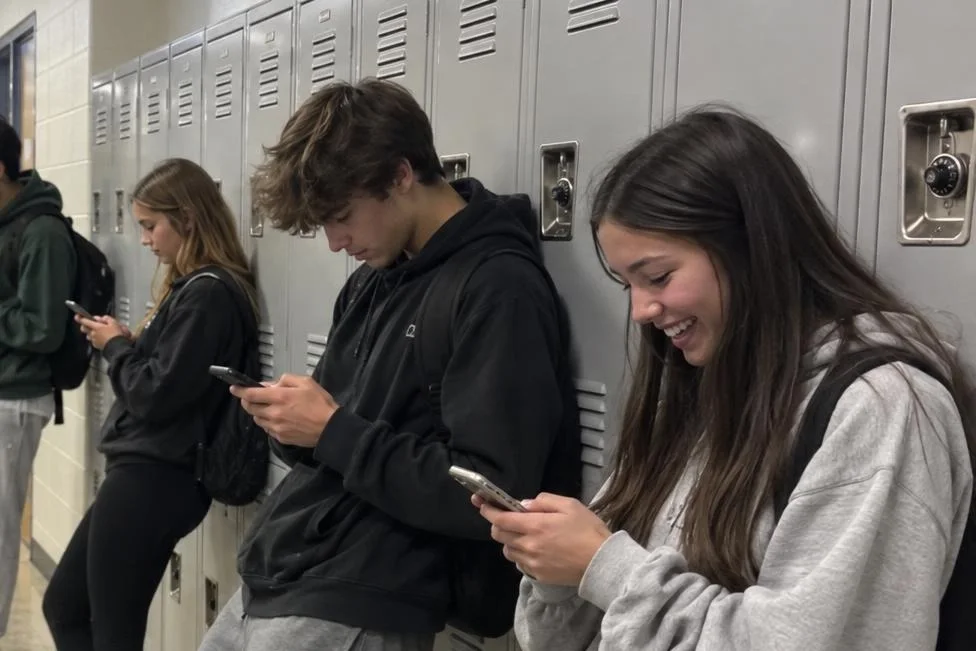
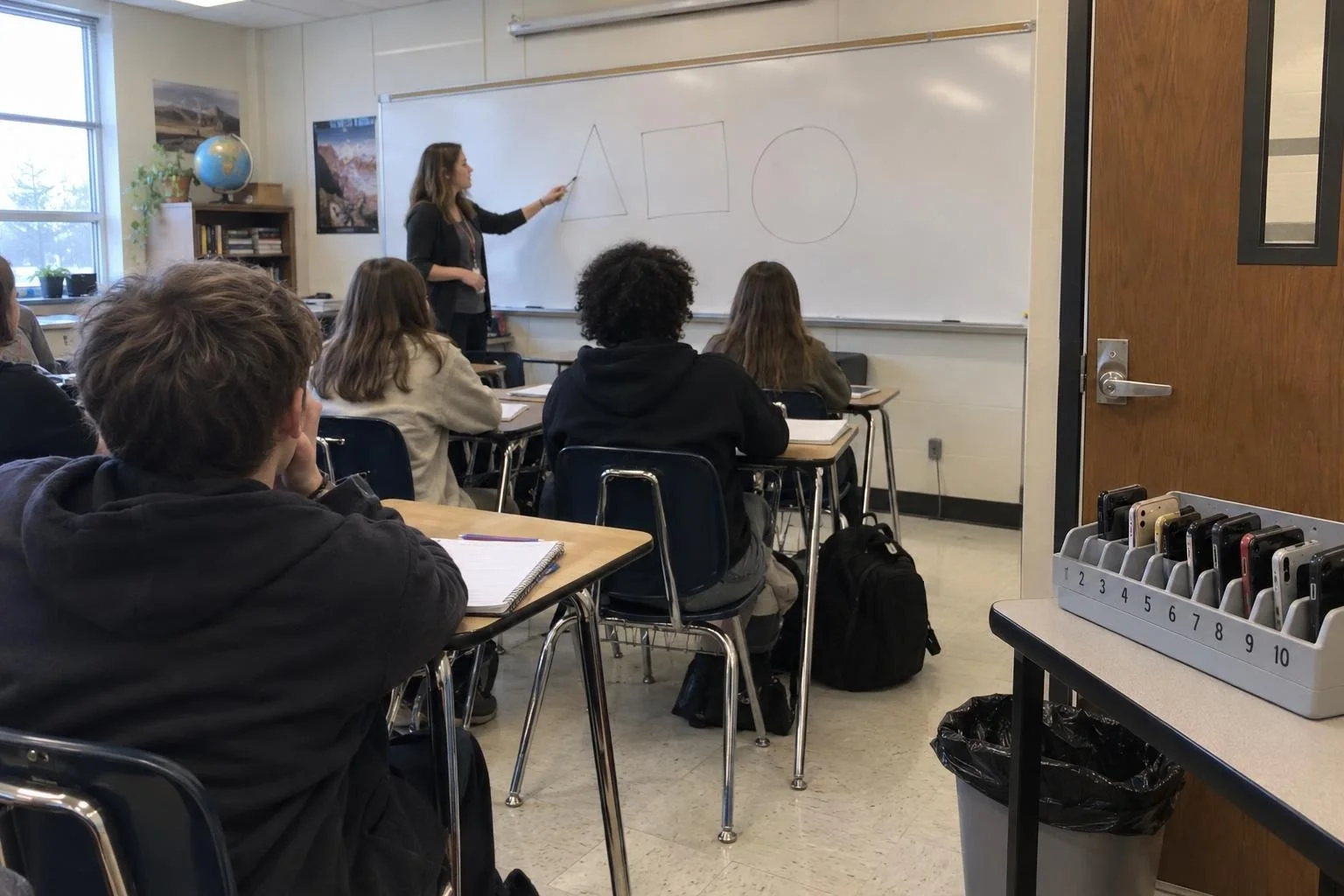
The districts said the platforms were built to keep children scrolling with endless feeds and constant notifications, and that schools paid the price. They hired extra staff for students' mental health needs, and teachers had to stop lessons to deal with phones. Some schools also reported bathroom vandalism linked to TikTok challenges.
The panel stressed that its opinion covers only these two kinds of claims, brought by school districts, under the laws of the four states.
Why the court said the claims fail
The districts' losses were mostly financial. That sank the negligence claims. California generally does not let someone sue for negligence over purely financial harm when there is no physical injury or property damage, the court said, and San Diego alleged neither. Lost staff time and a disrupted "educational mission" are not injuries that negligence law in California, Florida or Rhode Island recognizes, it added. Under Florida law, the companies had no legal duty to protect Brevard from those economic costs.
Section 230 ended the vandalism claims. That federal law generally shields online platforms from liability for content posted by others, and because third parties made the challenge videos, the trial judge found the companies immune. The panel agreed.
Each nuisance claim failed on its own state's law. Vancouver did not show harm to a whole community's health, as Washington law requires. Brevard could not turn many individual injuries into a public nuisance under Florida law. San Diego lacked standing to sue under California's nuisance statutes, and West Warwick dropped its nuisance claim at oral argument.
A split with the federal case
The ruling differs from a 2024 decision in the federal social media addiction litigation in Oakland, where a judge declined to apply the economic loss rule, the limit on suing over purely financial harm, to a comparable negligence claim, and the state panel called that federal analysis "truncated" and said it was bound by the California Supreme Court instead. The companies can still face personal injury lawsuits from users, the judges noted, along with claims for violating statutes and abatement actions by government agencies. They also suggested the Legislature could address the problem through "further industry-specific legislative or regulatory action."
Justice Richardson wrote the opinion, and Presiding Justice Lui and Justice Goorvitch joined it. Under the California Rules of Court, the decision becomes final in the appeals court 30 days after filing, on Dec. 5, and a party then has 10 days to ask the California Supreme Court to review it.