Ozempic and Zepbound, like every other GLP-1 drug, will soon carry a new label warning about a rare eye condition that can take away vision in one eye for good. The Food and Drug Administration said on Monday, Nov. 9 that it is requiring the makers of all these medicines to add the risk to the Warnings and Precautions section of their labeling.
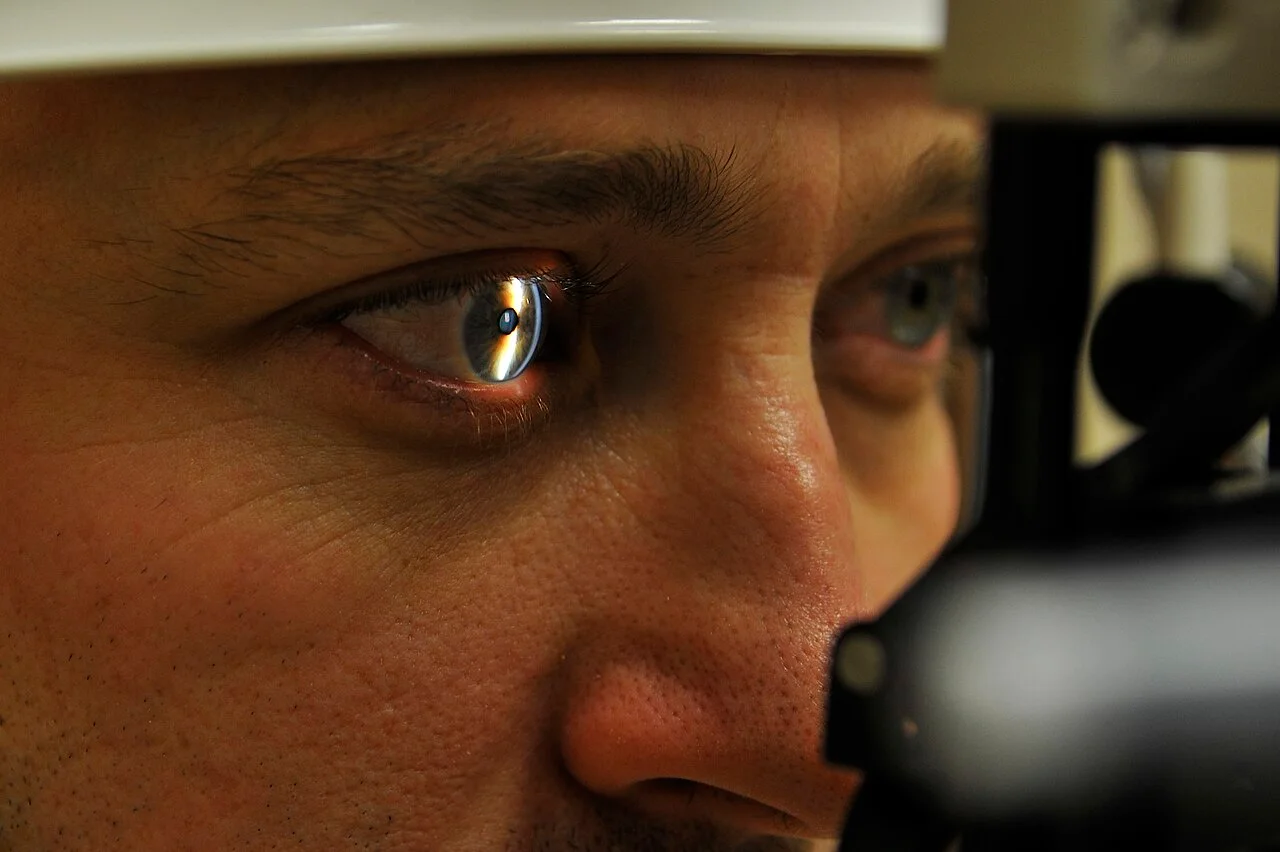
The condition is non-arteritic anterior ischemic optic neuropathy, or NAION. It happens when blood flow to the front of the optic nerve drops. Regulators call the possible link a "potential increased risk" of a rare event, and they are not telling patients to stop taking the drugs.
What the FDA found
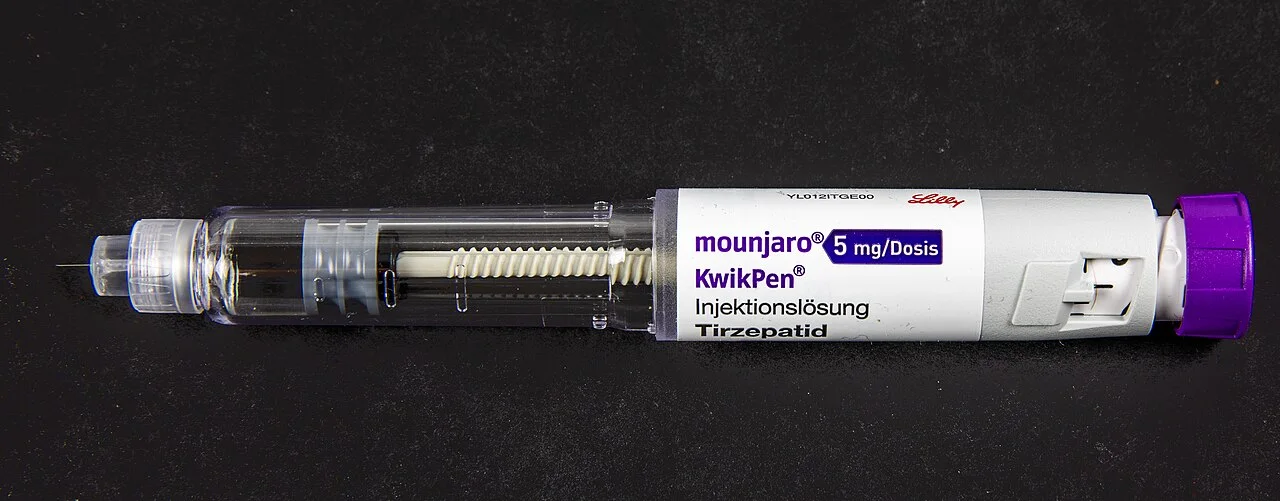
The FDA pooled 126 clinical trials of GLP-1 drugs covering more than 134,000 patients. Among people taking a GLP-1, NAION showed up at a rate of 6.4 cases per 100,000 person-years, compared with 3.8 among people on a placebo or a different diabetes drug. Both rates are low. In absolute terms they add up to 10 probable cases among the drug users and 5 in the comparison group.
| What FDA looked at | What it found |
|---|---|
| 126 clinical trials, 134,253 patients | 6.4 vs. 3.8 NAION cases per 100,000 person-years |
| Real-world data, adults with type 2 diabetes, 2019 to 2024 | Higher risk than with DPP-4 drugs, no clear difference from SGLT-2 drugs |
| Published observational studies | Increased risk in people with type 2 diabetes who started a GLP-1 |
| Animal studies | No mechanism found |
The agency started its review after a 2024 study in JAMA Ophthalmology linked semaglutide (the drug in Ozempic and Wegovy) to the condition. The FDA noted limits in that study but decided the question needed a closer look. It says NAION cases have now been reported with every GLP-1 drug on the market.
The warning covers 12 brand names on the agency's list: Byetta, Victoza, Trulicity, Saxenda, Xultophy, Soliqua, Ozempic, Rybelsus, Wegovy, Mounjaro, Zepbound and Foundayo, the daily pill Eli Lilly reported results for in sleep apnea earlier today. Byetta itself is off the market. Generic exenatide is still sold.
What to watch for
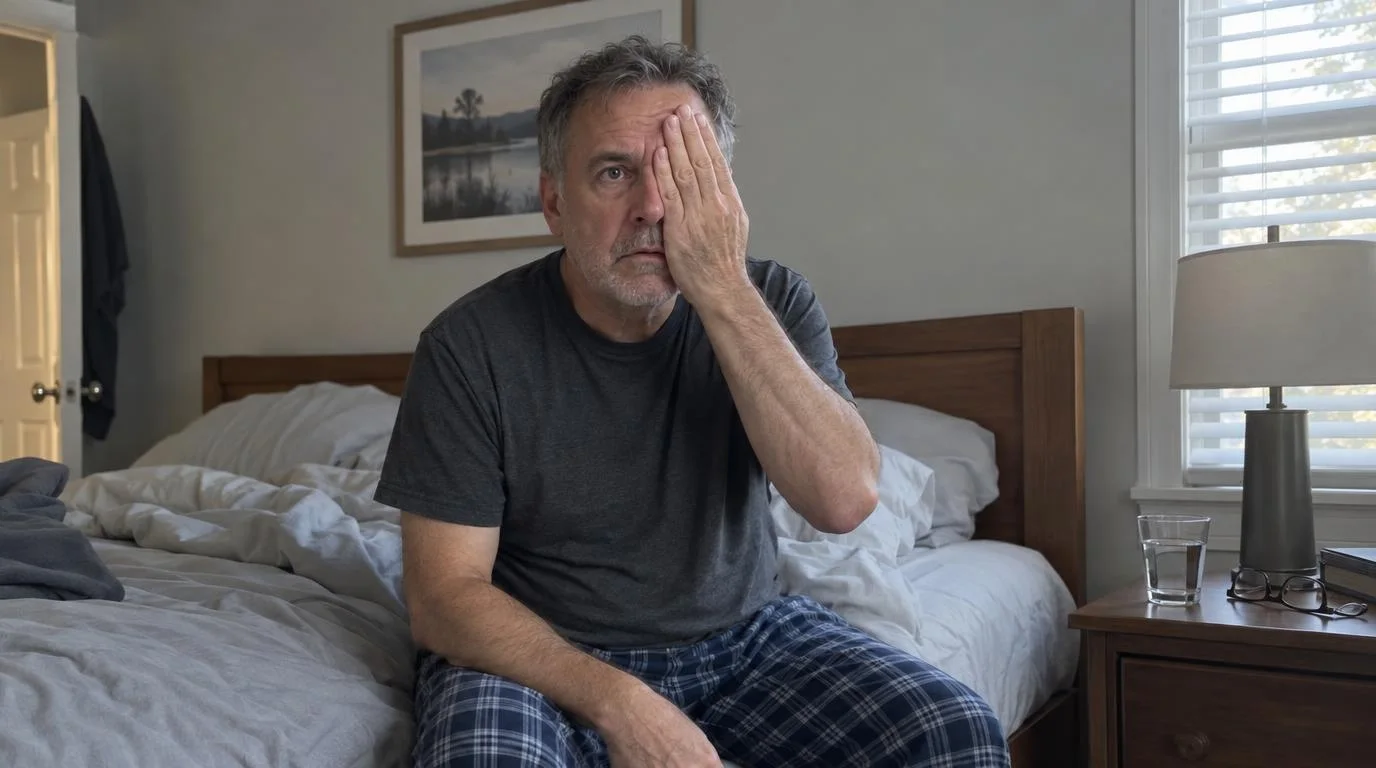
The main sign is sudden, painless vision loss in one eye, often noticed on waking. The FDA says to call a doctor right away if it happens. Blind spots or tunnel vision are warning signs too. So are washed-out colors or a hazy spot in the middle of what you see.
People who have already had NAION should talk with their doctor about whether to keep taking the drug, because having it in one eye raises the risk for the other. Smoking, diabetes, high blood pressure, sleep apnea, anemia and kidney disease may all add to the risk.
Side effects can be reported to the FDA's MedWatch program online or at 1-800-332-1088.