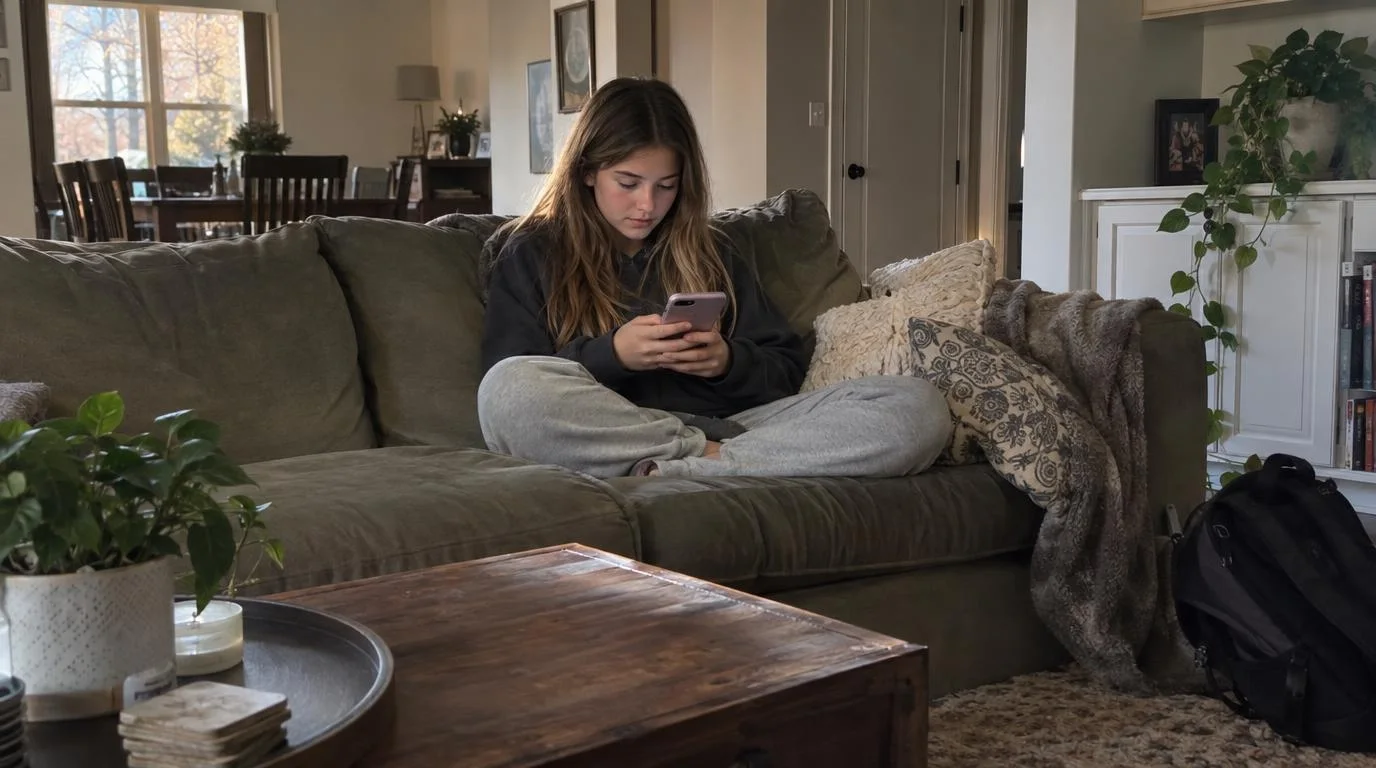
Instagram is taking the AI it uses to spot teenagers who sign up with an adult birthday worldwide, Meta said on Monday, Nov. 9. The U.S. already has it, so the change here is smaller. This month, parents will start seeing a short video in their Instagram feed that explains how the company checks ages and how they can help.
Teens the system flags are moved into Teen Accounts, Meta's restricted setup for users under 18. It limits who can contact them and what they see, along with how much time they spend there.
Facebook got the system in the U.S. in May. Meta says it is still rolling it out on Facebook. Threads gets a version worldwide later this year.
How Instagram decides someone is a teen

Meta laid out the method in a May update on its age checks. Its AI reads a whole profile, captions and comments included, for clues such as a birthday post or a mention of what grade someone is in. It also scans photos and videos for visual signs that the person is young. Meta says this is not facial recognition. The AI does not identify who is in an image, and a correction the company added to the post on July 31 says the system uses no biometric data and creates no facial fingerprints.
Instagram's minimum age is 13. When an account looks like it belongs to a younger child, Meta deactivates it, and the holder has to prove their age through Meta's verification process or the account is deleted.
Teens who try to change their listed age to 18 or older hit a second wall. Meta requires either a government ID or a facial age estimate from Yoti before the change goes through. Yoti is an outside verification firm.
What is new for U.S. families
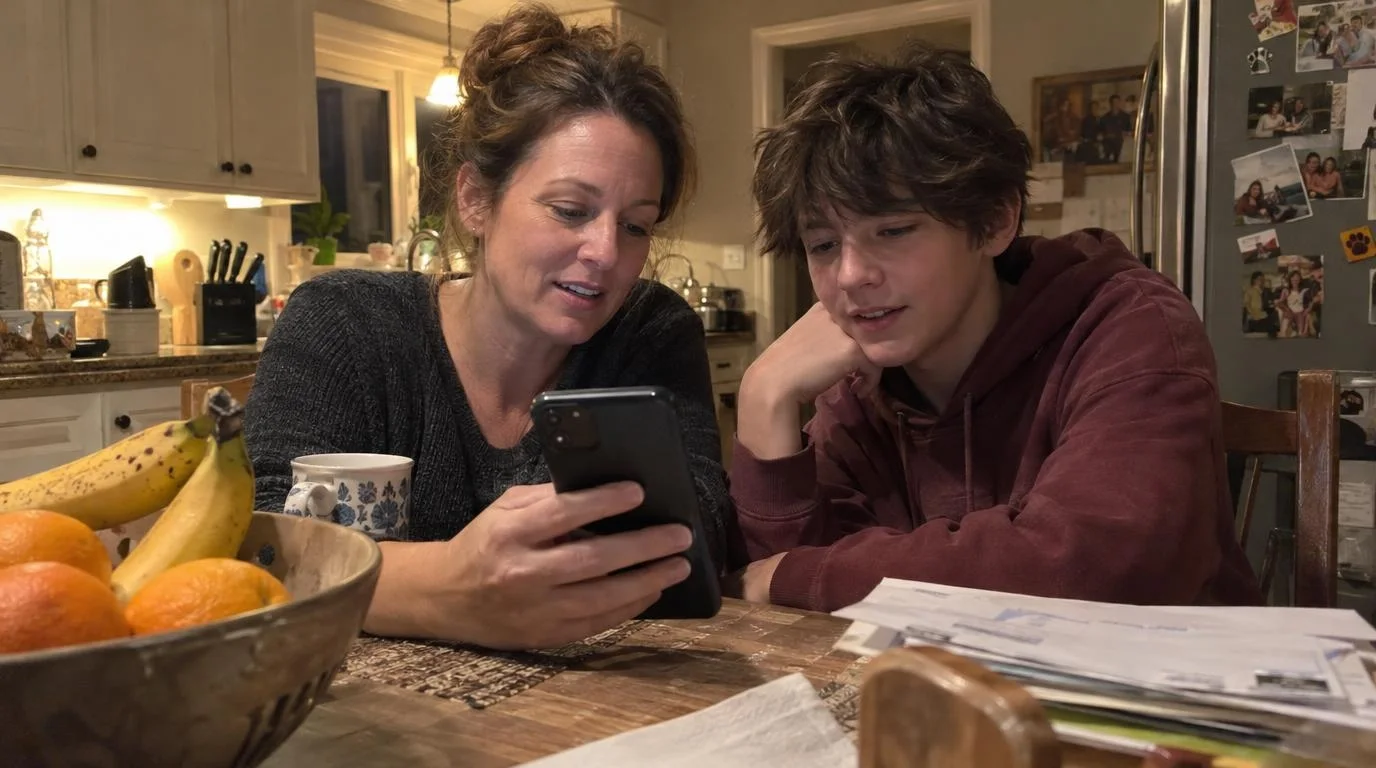
The video links to an article by Larry Magid, president and chief executive of the internet safety group ConnectSafely, on how Meta's age checks work and how parents can help teens list the correct age.
Meta ties the expansion to the settlement it reached in August with 52 U.S. attorneys general. Under that deal, the company says, it is building stronger technology to catch accounts of children under 13 and of 13- to 17-year-olds who claim to be adults.
In Australia, Meta has also begun using Apple's age-range signal. When parents set up an iPhone for a teen, the App Store can pass an age range to apps the teen downloads. Meta says the signal is optional on both sides. It wants laws making app stores check ages, arguing that one verified signal shared with every app would work better than asking every platform to check age separately. It also wants TikTok and YouTube to adopt the same practices.