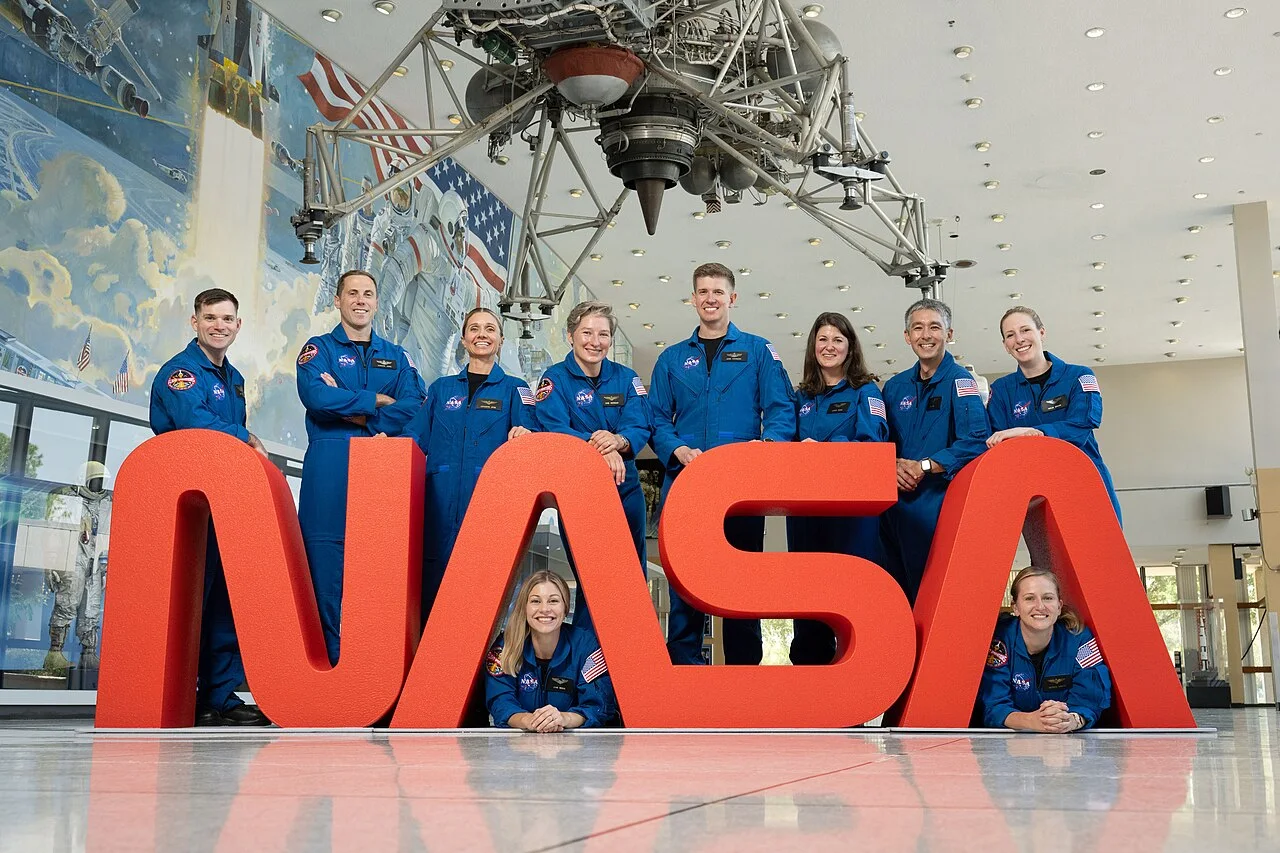
NASA is taking applications for its next class of astronauts, and U.S. citizens have until 11:59 p.m. Eastern on Thursday, Dec. 3, to apply. The agency announced the call Saturday and says the people it picks will train for work on the lunar surface, at a planned Moon Base and toward the first crewed missions to Mars.
When NASA last opened applications, in 2024, more than 8,000 people applied and 10 were selected in 2025. That class is still in its nearly two years of training. NASA expects to make its final selection for this round in late 2027.
Who can apply
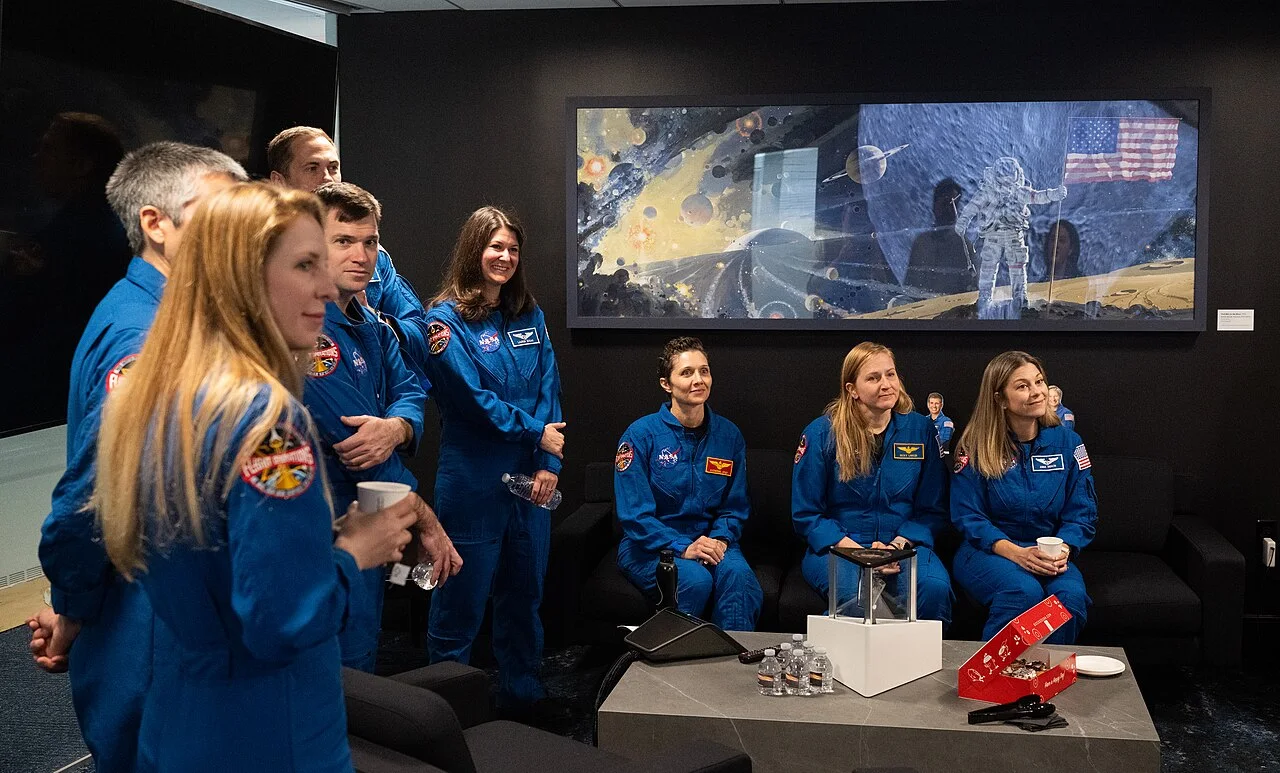
You need U.S. citizenship and a master's degree in a STEM field such as engineering, biological science, physical science or computer science, from an accredited school. NASA accepts several substitutes for the master's:
| Path | What NASA requires |
|---|---|
| Doctoral work | At least two years toward a doctorate in a technical field, including mathematics |
| Medicine | A medical degree such as an M.D., D.O., physician assistant, family nurse practitioner or Doctor of Nursing Practice |
| Test pilot school | Completion of, or enrollment in, a recognized test pilot school finished by July 2027, plus a STEM bachelor's degree |
Applicants also need at least three years of related professional experience after their qualifying degree. Pilots can count flight time instead: 750 hours as pilot in command of high-performance jets, 1,500 total hours in other fixed-wing aircraft with 750 as pilot in command, or 1,000 total hours in helicopters with 300 as pilot in command. Doctors' residency training can count if it ends by July 2027. Candidates must also pass NASA's long-duration spaceflight physical.
Pay, training and selection
The USAJOBS listing puts the salary at $164,395 a year at 2026 pay rates, with raises tied to training and mission milestones. The job is full time at Johnson Space Center in Houston, with relocation costs possibly covered and travel 76% of the time or more. Telework is not allowed.
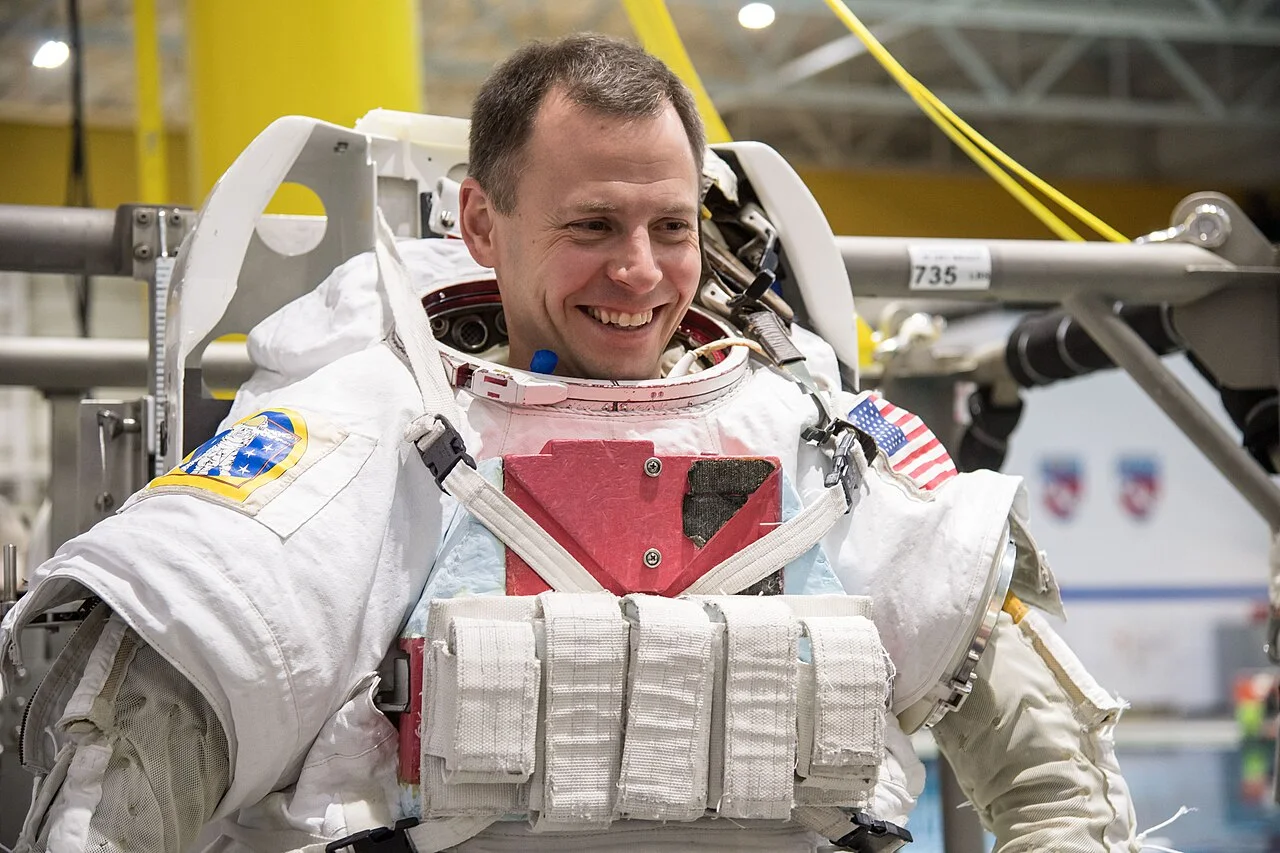
New hires start on a 30-month term appointment as astronaut candidates and become permanent after finishing training. That training covers spacewalking, robotics, lunar geology and flying high-performance jets.
Applicants choose a single discipline group to apply under and complete online assessments. Those who advance may face in-person assessments, simulations, role plays and interviews. NASA asks for references, including the most recent supervisor, through its questionnaire and says letters of recommendation sent with an application will not be reviewed.
NASA has 32 active astronauts and has picked 370 astronaut candidates since the 1960s.