
A drug designed to treat one of the most common inherited heart risks did not prevent heart attacks, strokes or deaths in a seven-year trial, researchers reported Saturday. Pelacarsen, a monthly injection, cut levels of lipoprotein(a), or Lp(a), by 78%, but patients who took it had major heart problems at the same rate as those on a placebo.
The results of the Lp(a) HORIZON trial were presented at the American Heart Association's Scientific Sessions in Chicago and published in The New England Journal of Medicine. "I cannot avoid the disappointing conclusion. It didn't work," said Dr. Steven Nissen of the Cleveland Clinic, the study's senior author.
Lp(a) is a cholesterol particle similar to LDL, the "bad" cholesterol, that builds plaque in arteries and promotes clotting. An estimated 64 million people in the United States have elevated levels. Unlike LDL, Lp(a) is 80% to 90% set by genes. Diet and exercise barely move it, statins don't lower it, and there is no FDA-approved treatment for it. The heart association says a level of 125 nmol/L (55 mg/dL) or higher raises long-term risk of heart attack or stroke about 1.4 times, and 250 nmol/L (115 mg/dL) at least doubles it.
What the trial found
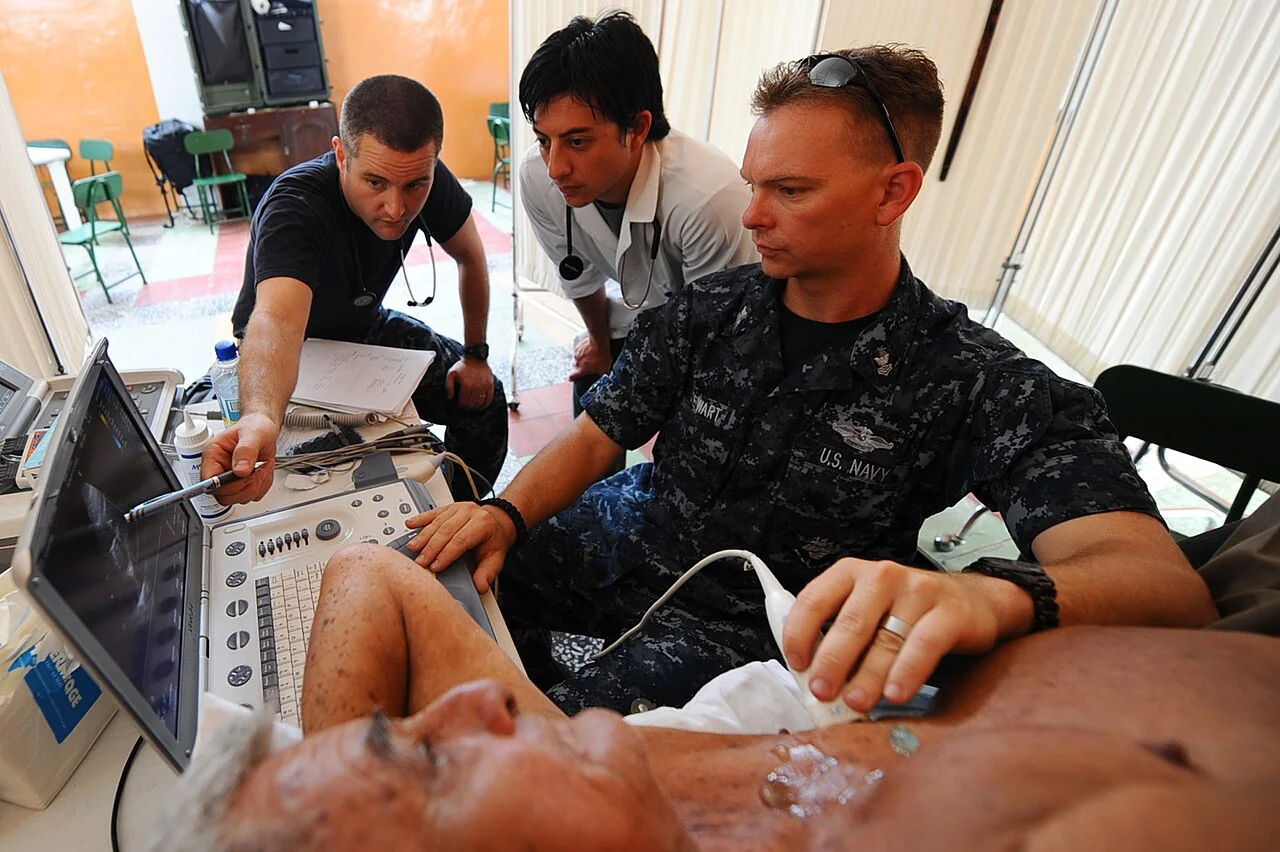
The study enrolled 8,323 adults in 42 countries who already had heart disease, such as a prior heart attack or stroke, and Lp(a) of at least 70 mg/dL, the top 20% worldwide. Most were already on high-intensity statins. Half gave themselves an 80 mg injection of pelacarsen each month and half got a placebo, and they were followed for a median of 4.7 years, Cleveland Clinic said.
| Result | Pelacarsen | Placebo |
|---|---|---|
| Heart attack, stroke, urgent heart procedure or cardiovascular death | 12.3% | 12.1% |
| Change in Lp(a) after one year | Down 78.4% | Down 3.2% |
| LDL cholesterol after one year | 62.3 mg/dL | 71.2 mg/dL |
| Serious adverse events | 37.3% | 41.1% |
The lack of benefit held in patients with the highest levels, 90 mg/dL and above, and in every other subgroup the researchers checked. "There was basically no effect on outcomes, not even a trend," Nissen said. People taking pelacarsen had more flu-like symptoms and injection site reactions, and the drug caused rare allergic reactions. Novartis, which develops pelacarsen, funded the study.
Why doctors still recommend the test
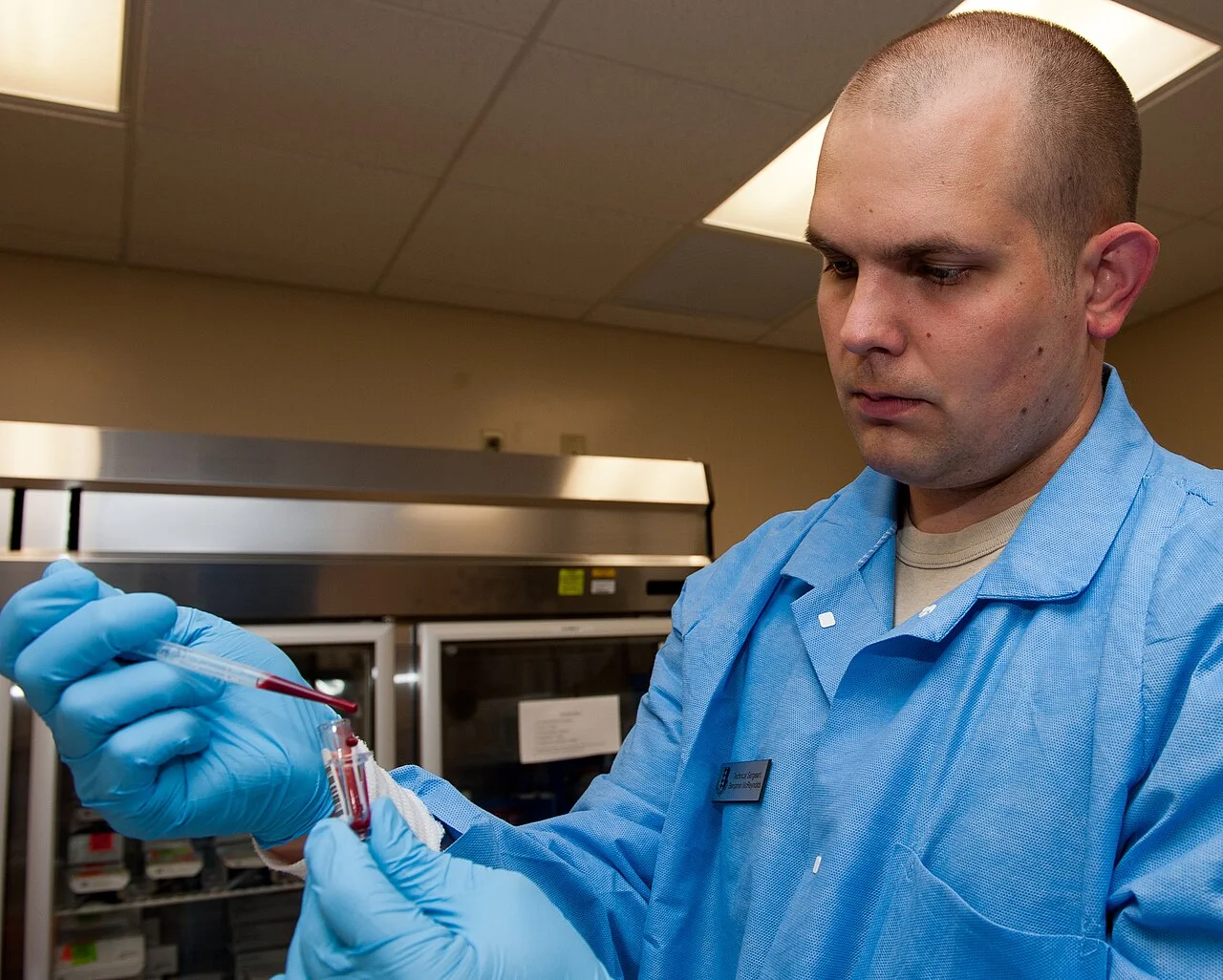
"Measuring Lp(a) is still absolutely worthwhile," Nissen said. High Lp(a) usually causes no symptoms, and along with blood pressure, cholesterol and blood sugar, the number helps shape each patient's prevention and treatment plan.
Three other large outcome studies are testing drugs that target Lp(a) in different ways, including small interfering RNA drugs, which silence specific genes. Nissen said he expects their results in the next few years.
He also asked people enrolled in other Lp(a) trials not to drop out.