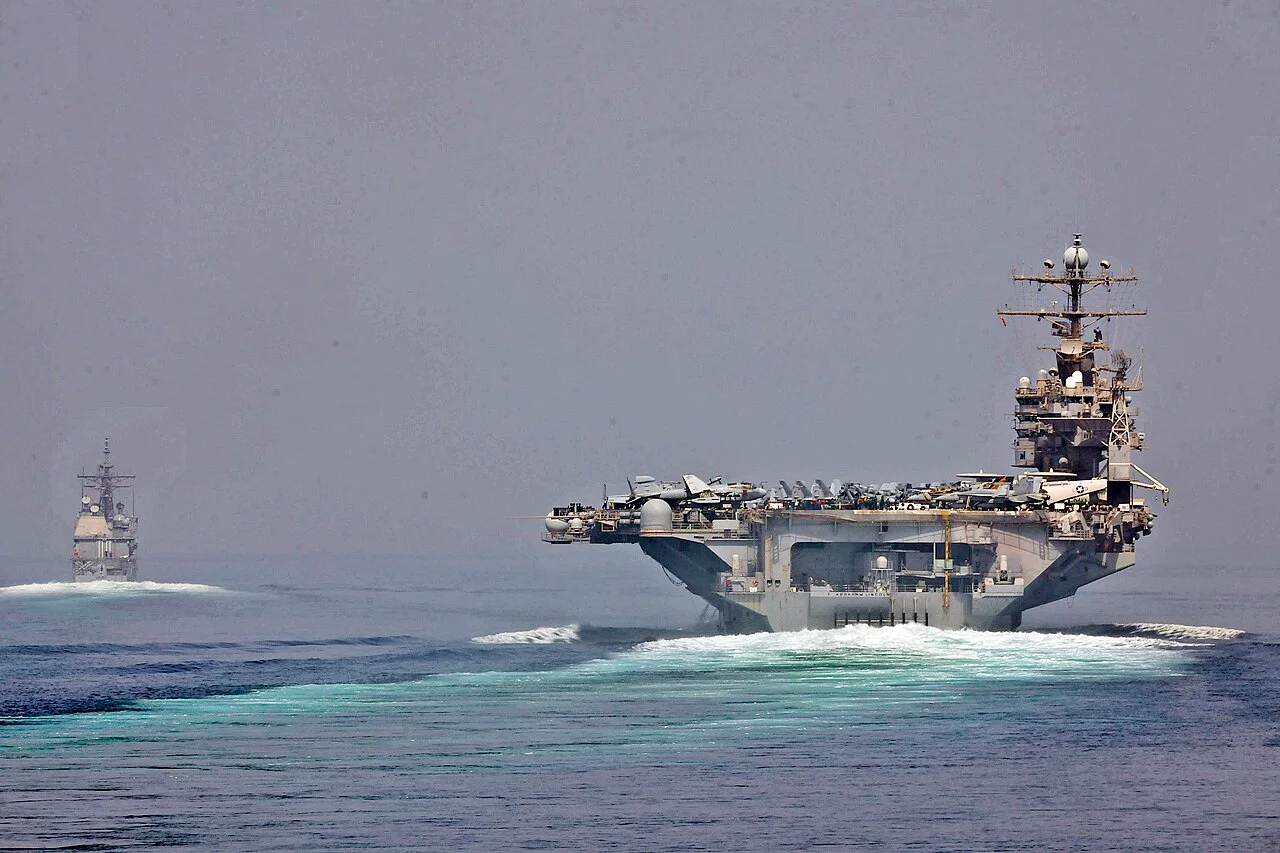
President Trump said the U.S. military carried out what he called "minor strikes" on Iran on Friday, Nov. 6, hitting an anti-aircraft system on Qeshm Island in the Strait of Hormuz. "They built a little bit of an anti-aircraft device, and we knocked it out in about 15 minutes," Trump told reporters.
The strikes were the first U.S. attacks on Iran since the Nov. 3 midterm elections. Trump did not describe any damage beyond the air defense site.
What happened on Qeshm Island
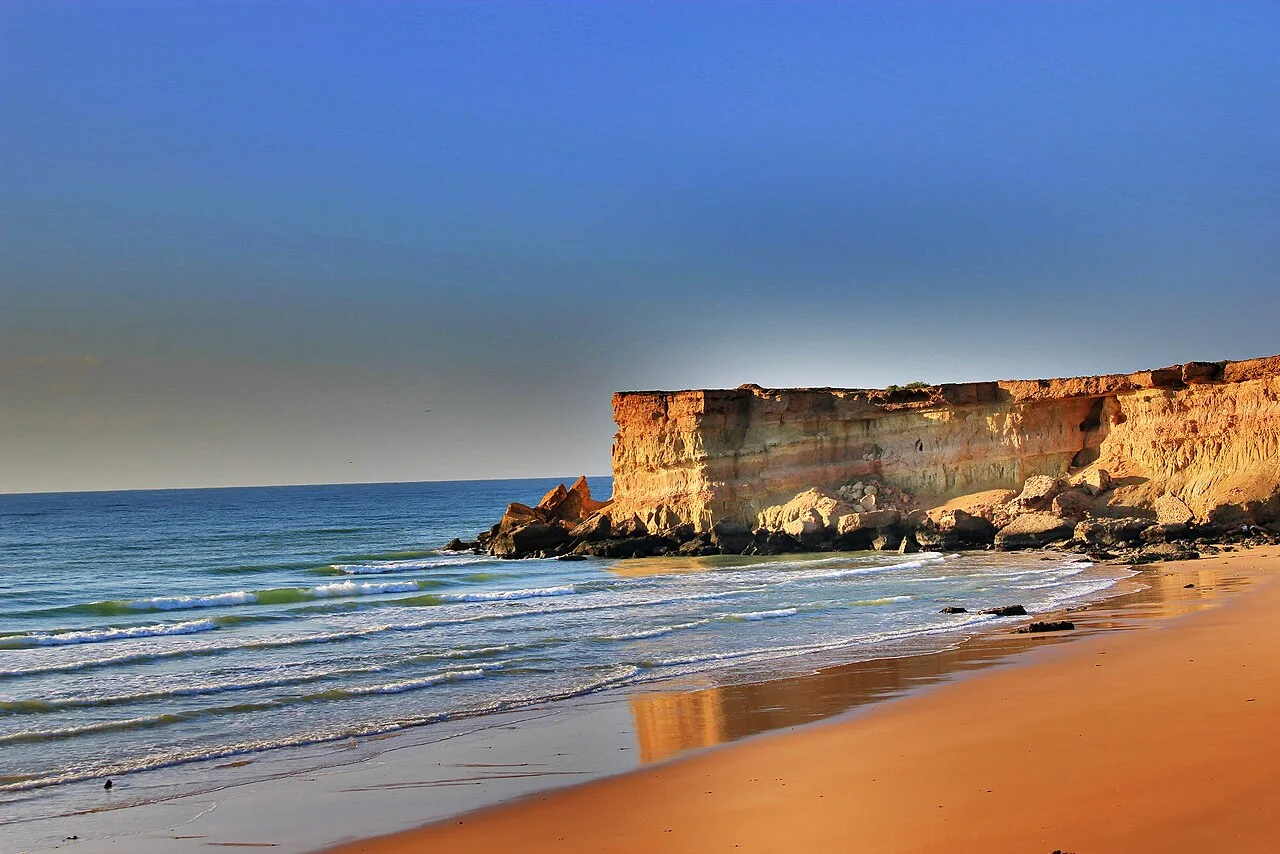
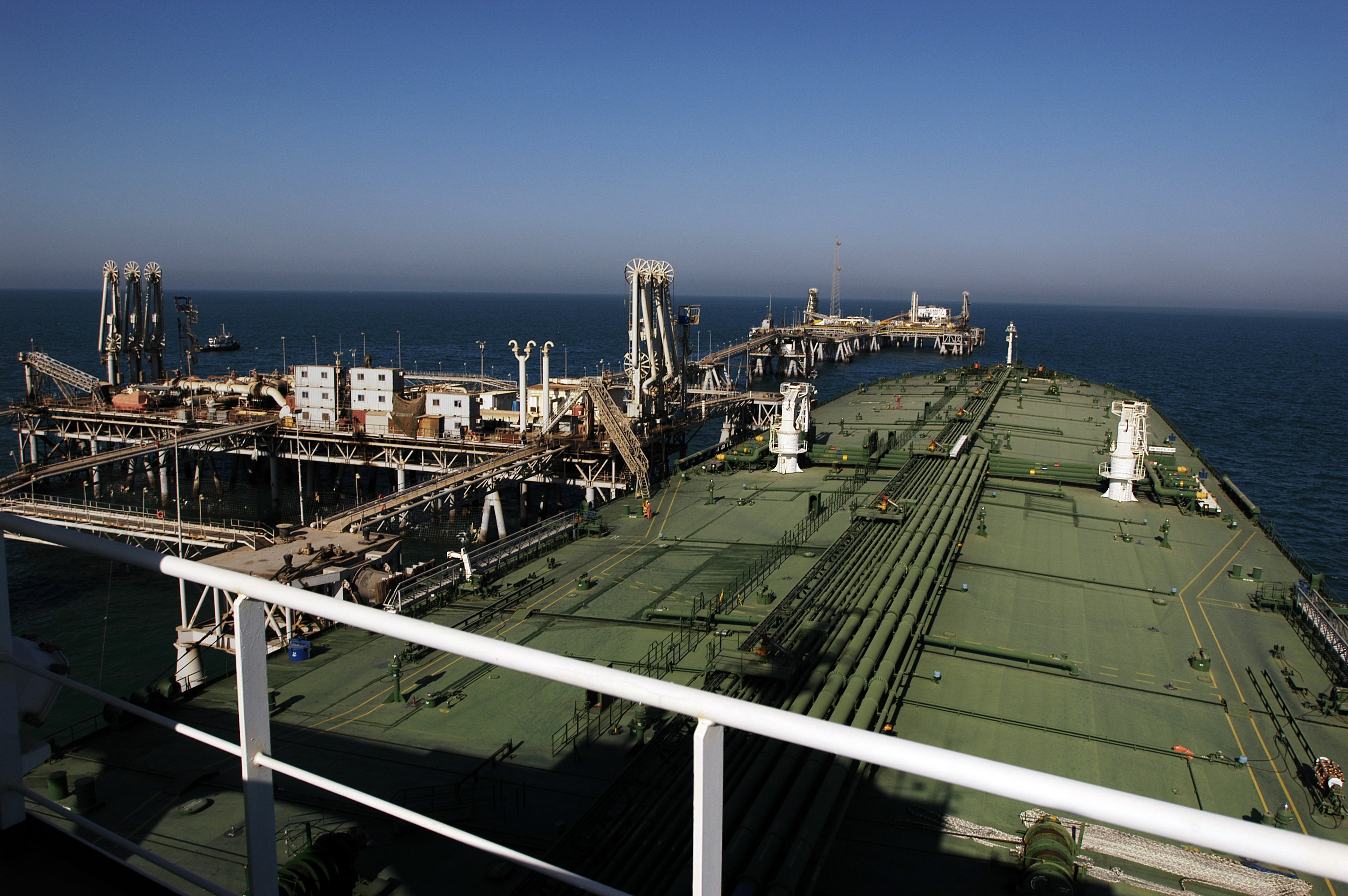
Iranian state media reported two explosions in the Suza area of the island, according to The Guardian. Qeshm is Iran's largest island and sits across a narrow channel from the port city of Bandar Abbas, in the waterway that links the Persian Gulf to the Gulf of Oman.
Friday's strikes followed another round on Monday, Nov. 2, when explosions were heard on Qeshm, nearby Hengam island and the Bandar Abbas area. The U.S. military described those strikes as "defensive." The United States has been at war with Iran since February.
What Trump said about talks
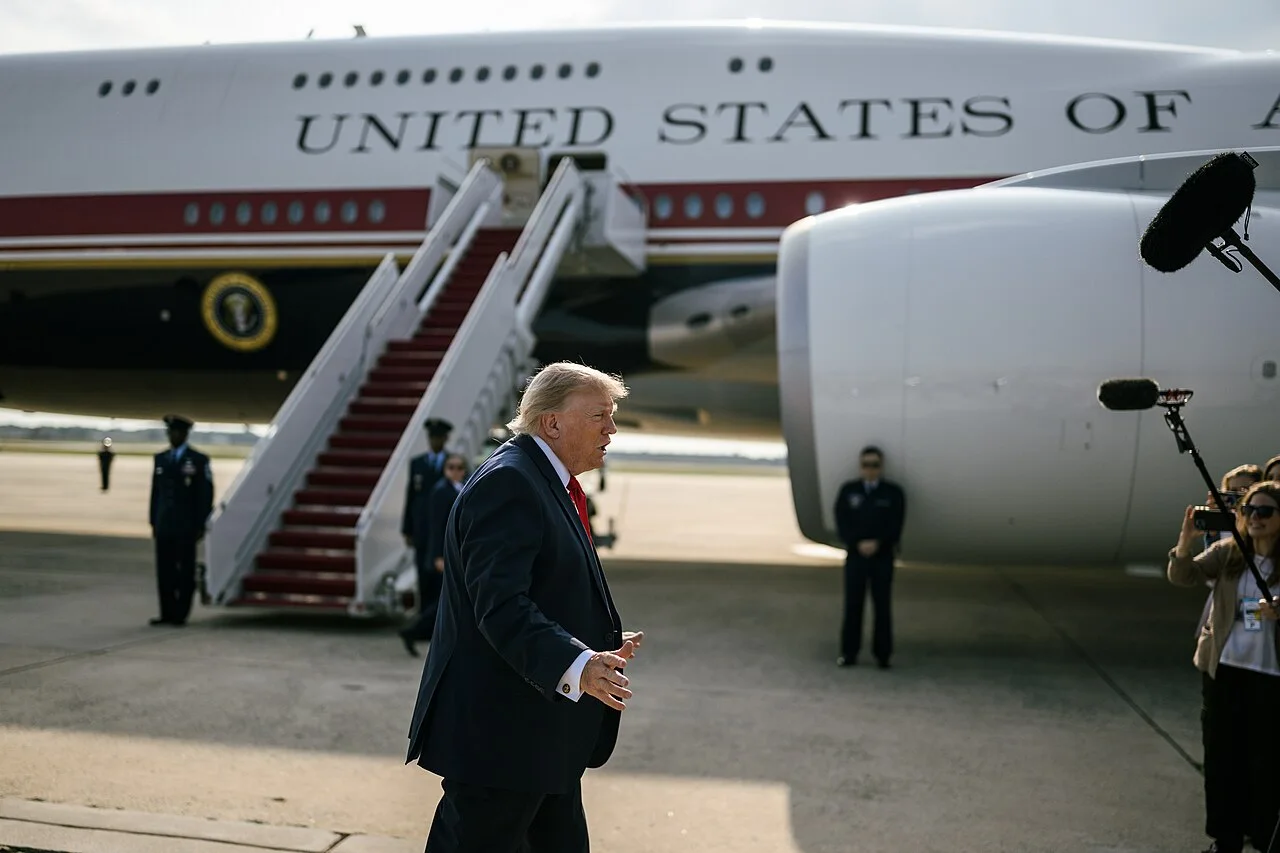
Trump said negotiations are still going. "We are talking to Iran. We have been," he said Friday. Qatar, which has been mediating between the two countries, said Trump discussed efforts to ease tensions in a phone call with its emir, Sheikh Tamim bin Hamad Al Thani, and that Defense Secretary Pete Hegseth spoke with his Qatari counterpart the same day.
Late Friday, U.S. Central Command also publicized a State Department offer of up to $20 million and possible relocation for information about Iran's nuclear program, its facilities, equipment and the people associated with it. The offer runs through the Rewards for Justice program.
What Americans in the region are being told
Over the past two days, U.S. diplomatic posts in seven Middle East countries have warned of an "increased threat of armed attacks by Iranian-supported Houthis and Iranian efforts to target U.S. government officials in the region." Edit USA's rundown of those alerts lists each country's travel advisory level and what its embassy is offering.
The alerts tell Americans to enroll in the Smart Traveler Enrollment Program, confirm flights with their airline before leaving for the airport and keep a low profile near places associated with the United States. Americans who need help can call the State Department at 1-888-407-4747 from the U.S. or Canada, or +1-202-501-4444 from abroad.
Where gas and diesel prices stand
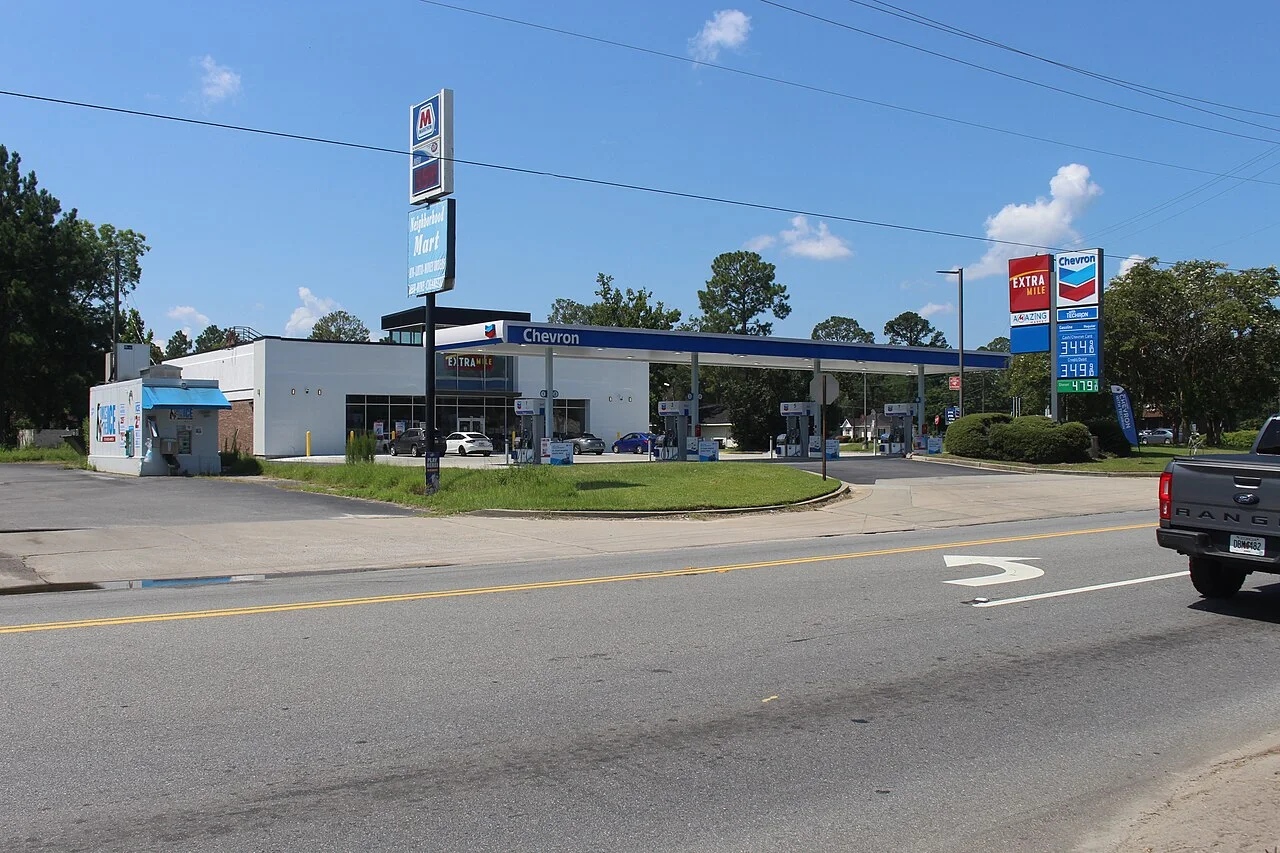
Fuel prices at home remain well above last year's. The Energy Information Administration's weekly price survey put regular gasoline at $4.153 a gallon on Nov. 2, down 11.6 cents from the week before but $1.134 more than a year earlier. Diesel averaged $6.292, up $2.539 from a year ago.
That survey was taken before Friday's strikes. The next one comes out Nov. 10.