Berkshire Hathaway bought back $9.6 billion of its own stock in the third quarter as operating earnings slipped 5.8%, the company reported Saturday. Operating earnings fell to $12.7 billion from $13.5 billion a year earlier, pulled down by weaker insurance results and lower interest income.
Net earnings were $22.1 billion, or $10.33 per Class B share, down from $30.8 billion. They include $9.4 billion of investment gains. Berkshire calls such gains "usually meaningless" in any single quarter because accounting rules count stock price swings as earnings.
It is the first quarterly report since Warren Buffett became chairman emeritus on Sept. 18 and his son Howard Buffett was elected chairman. Warren Buffett stays on the board. Greg Abel is chief executive. Berkshire's Class B shares closed Friday at $570.89, up about 5% for the week, according to Nasdaq data, while the Nasdaq Composite fell about 3%.
Where the earnings came from
| Business (after tax, millions) | Q3 2026 | Q3 2025 |
|---|---|---|
| Insurance underwriting | $1,352 | $2,369 |
| Insurance investment income | $2,734 | $3,181 |
| BNSF railroad | $1,729 | $1,449 |
| Berkshire Hathaway Energy | $1,612 | $1,489 |
| Manufacturing, service and retailing | $4,042 | $3,616 |
| Other | $1,236 | $1,381 |
| Operating earnings | $12,705 | $13,485 |
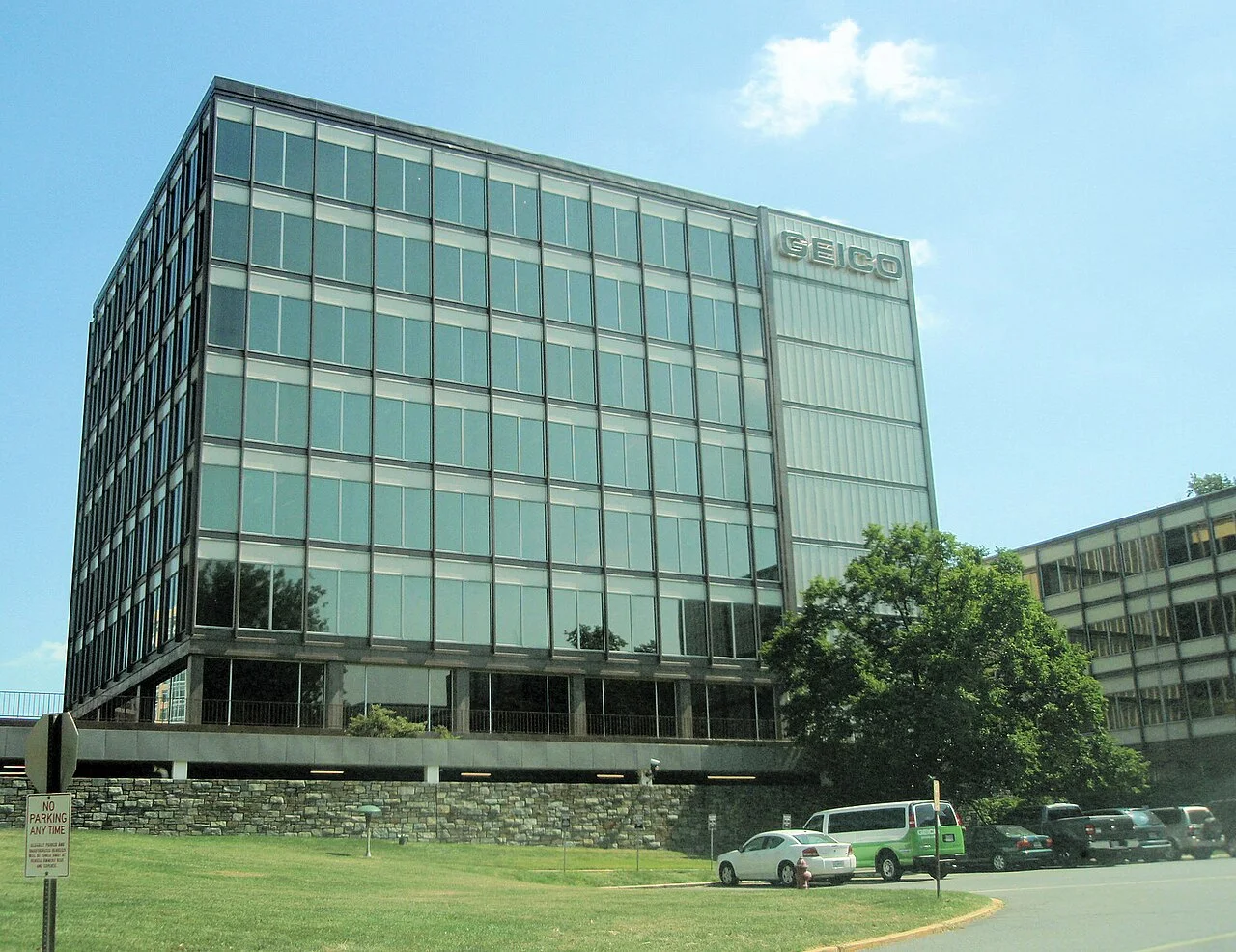
The decline came from insurance. Underwriting profit fell 42.9%, and all three of Berkshire's underwriting groups, including GEICO, earned less than a year ago, according to the company's quarterly report. Berkshire had no significant catastrophe losses in the first nine months of the year, while investment income from the insurance float fell 14.1%, a drop the company attributed to lower interest rates.
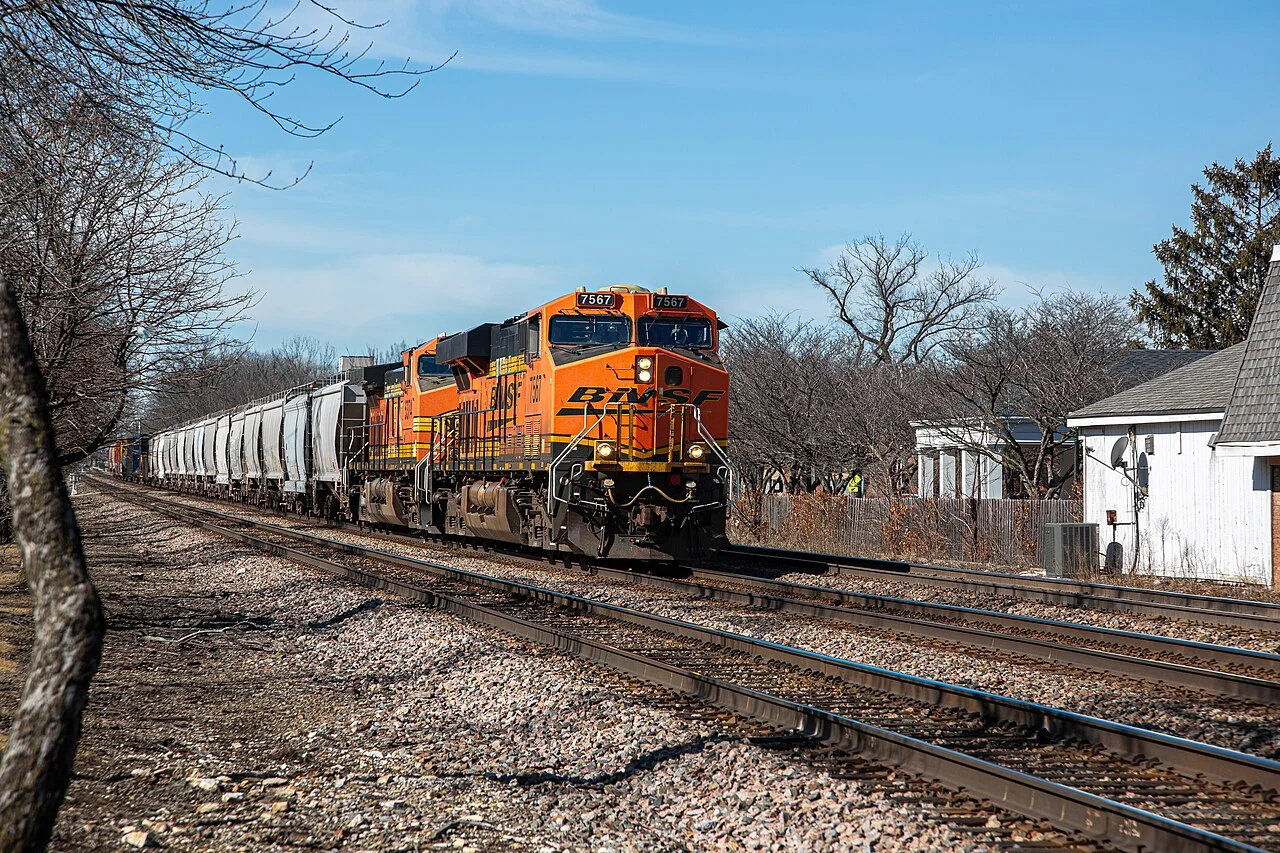
BNSF went the other way, with earnings up 19.3% on higher shipping volumes and better efficiency, partly offset by higher fuel costs.
Buybacks and the cash pile
The $9.6 billion in buybacks was double the $4.8 billion Berkshire spent in the first half, bringing the 2026 total to about $14.4 billion. September was the busiest month, with 7.7 million Class B shares bought at an average of $506.64, well below Friday's close. The company's rule lets the chief executive repurchase shares, after consulting the chairman, when the price is below a conservative estimate of their worth, but it won't buy back stock if cash and Treasury bills would fall below $30 billion.
Berkshire is far above that floor. Its insurance and other businesses held $372.8 billion in cash and short-term Treasury bills on Sept. 30, including $20.5 billion of Treasury bill purchases that had not yet settled, compared with $369.2 billion at the end of 2025. It also bought more stock than it sold this year, $41.8 billion of purchases against $30.6 billion of sales through September. Its five largest holdings were Alphabet, American Express, Apple, Bank of America and Coca-Cola.