The State Department is warning Americans across the Middle East of an "increased threat of armed attacks by Iranian-supported Houthis and Iranian efforts to target U.S. government officials in the region." The same security alert went out from U.S. diplomatic posts in the United Arab Emirates, Bahrain, Saudi Arabia and Jordan, dated Nov. 7 local time, and from the U.S. Mission in Iraq, dated Nov. 6.
That language is new. The U.S. Mission in the UAE's Oct. 18 alert asked Americans to stay vigilant because of a "complex security environment." The Nov. 7 version names an increased threat of armed attacks and adds Iranian efforts to target U.S. government officials. Both versions describe Houthi attacks on Saudi Arabia, including strikes on civilian airports and other infrastructure that caused civilian casualties. Edit USA covered the earlier warning about Saudi airports on Oct. 31.
Americans should be ready for canceled flights and closed airspace, the alerts say. They also repeat an earlier warning that Iran and groups that support it may go after U.S. interests anywhere in the world, including American businesses and other places associated with the United States.
Advisory levels and embassy status
| Country | State Department travel advisory | Embassy services in the new alert |
|---|---|---|
| Iraq | Level 4: Do Not Travel | Baghdad open for routine services for Americans |
| Saudi Arabia | Level 3: Reconsider Travel | Emergency consular services |
| United Arab Emirates | Level 3: Reconsider Travel | Consular help available through an online request |
| Bahrain | Level 3: Reconsider Travel | Open for routine services and visas |
| Jordan | Level 3: Reconsider Travel | Open for routine services and visas |
| Kuwait | Level 3: Reconsider Travel | Emergency help by email, passports by appointment |
| Israel | Level 3: Reconsider Travel, higher in some areas | Alert links to Ben Gurion and Haifa departure boards |
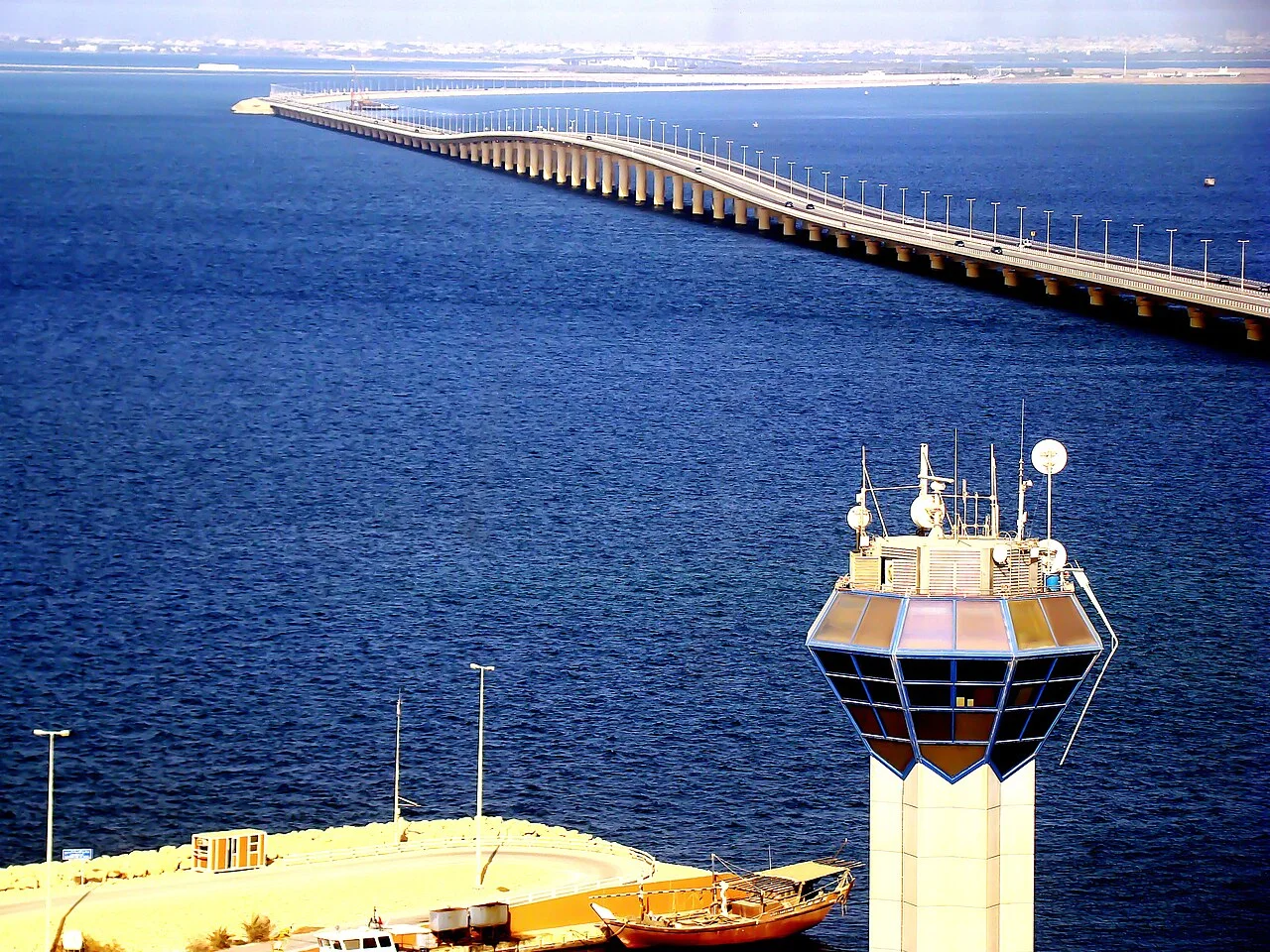
The alert for Saudi Arabia adds travel details. All land border crossings are open, it says, including the King Fahd Causeway to Bahrain, as are highways around Riyadh, Jeddah and Dhahran. Airports in Bahrain, Jordan, Oman, Qatar and the UAE were operating, though the embassy tells travelers to confirm directly. It lists trains, buses and private cars as alternatives to flying out of Saudi Arabia.
What the State Department tells Americans to do
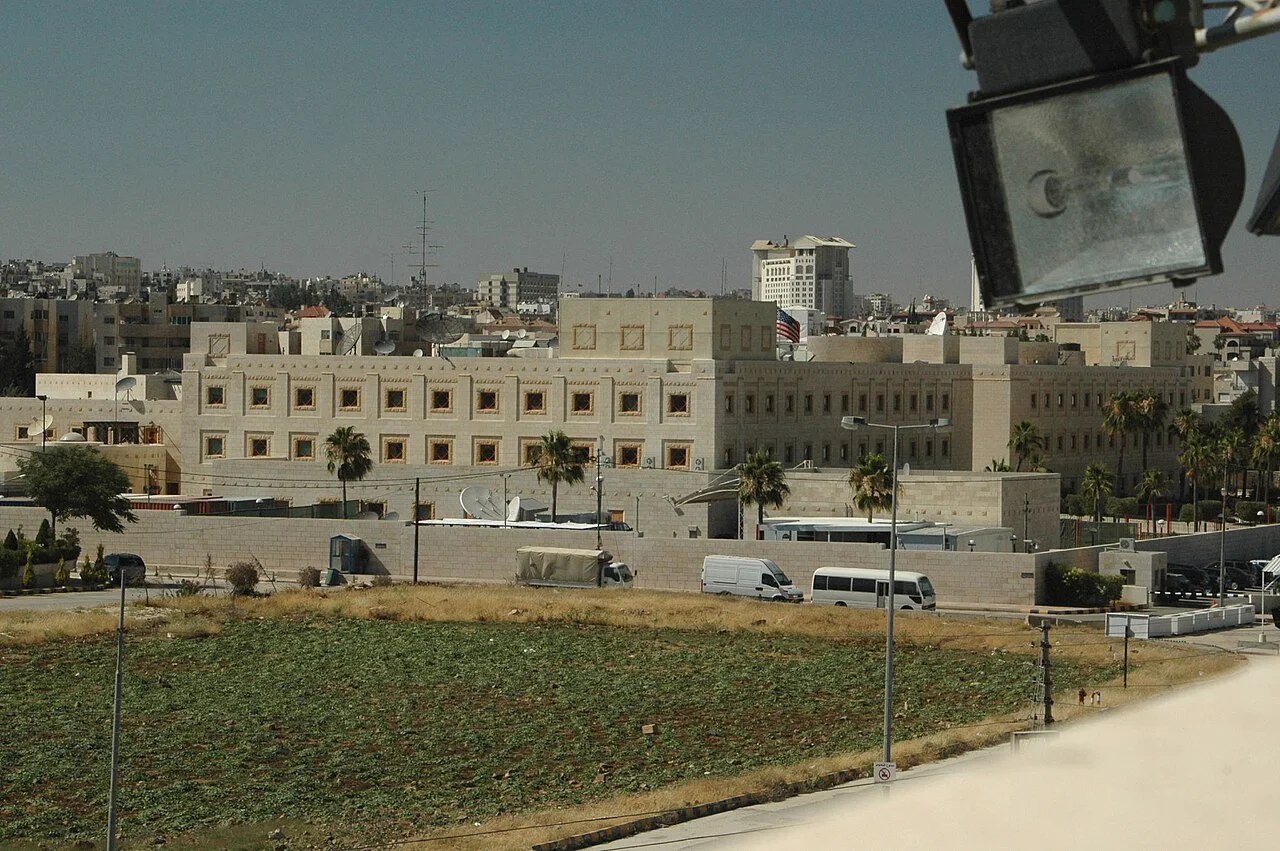
The alerts ask Americans in the region to enroll in the Smart Traveler Enrollment Program, which sends security updates and lets embassies reach them in an emergency. They should check flight status with their airline before heading to the airport and make backup plans in advance.
If an aerial attack happens, the guidance is to stay away from glass doors, windows and fallen debris and to watch for official instructions. Keep phones charged. Avoid demonstrations and crowds, and keep a low profile, especially near places publicly associated with the United States.
Americans who need help can call the State Department at 1-888-407-4747 from the U.S. or Canada, or +1-202-501-4444 from abroad.