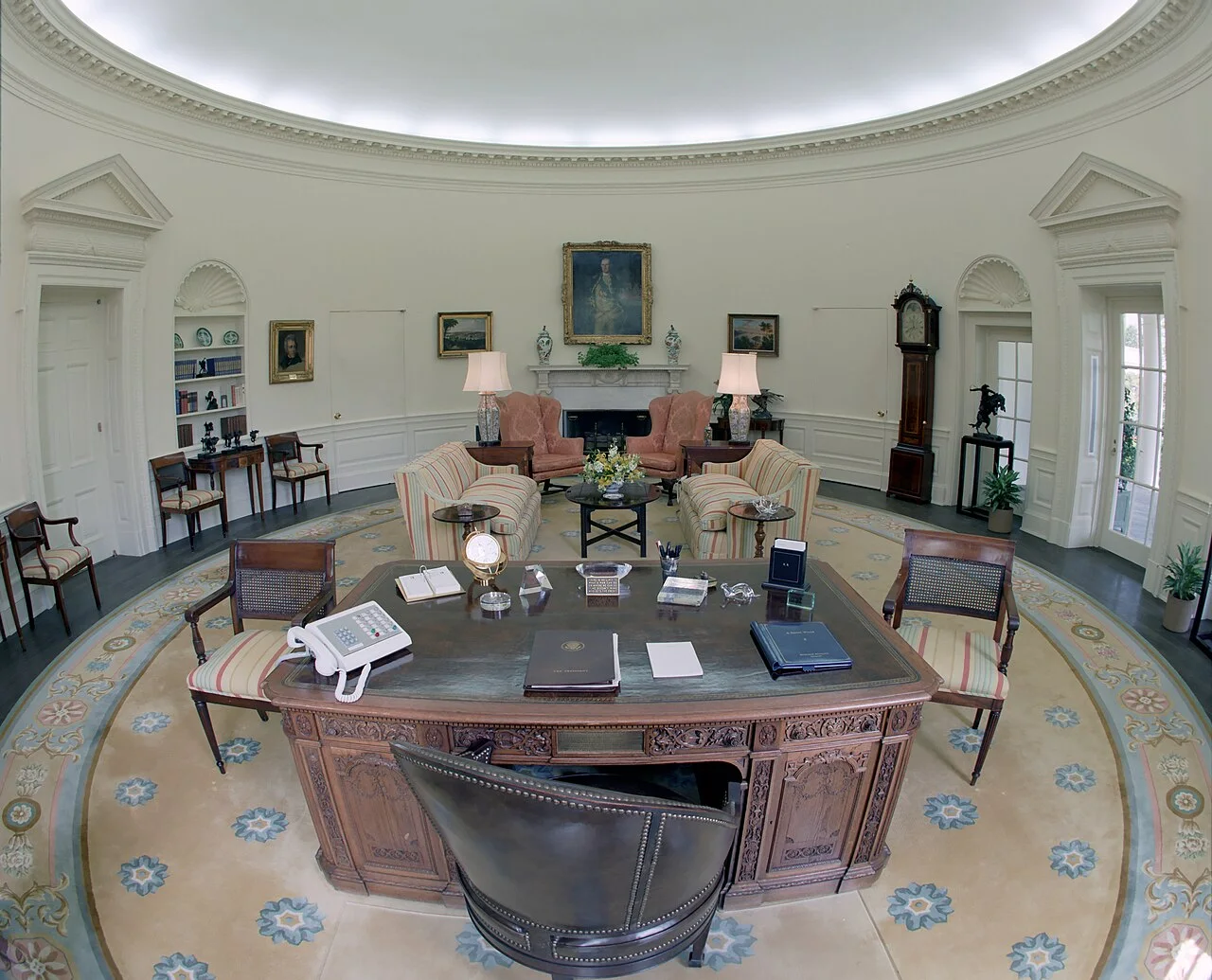
The Oval Office is now a national monument. President Trump's proclamation, signed Thursday, uses the Antiquities Act to put the president's office, the Outer Oval Office and the Cabinet Room under National Park Service management. Before anyone substantially alters or demolishes those rooms, the Park Service must first document the plan and weigh alternatives.
The White House and its grounds are already a National Historic Landmark, and the Park Service runs them as part of President's Park, the proclamation notes, but it says the Oval Office still deserves its own protection as a historic structure.
What the monument covers
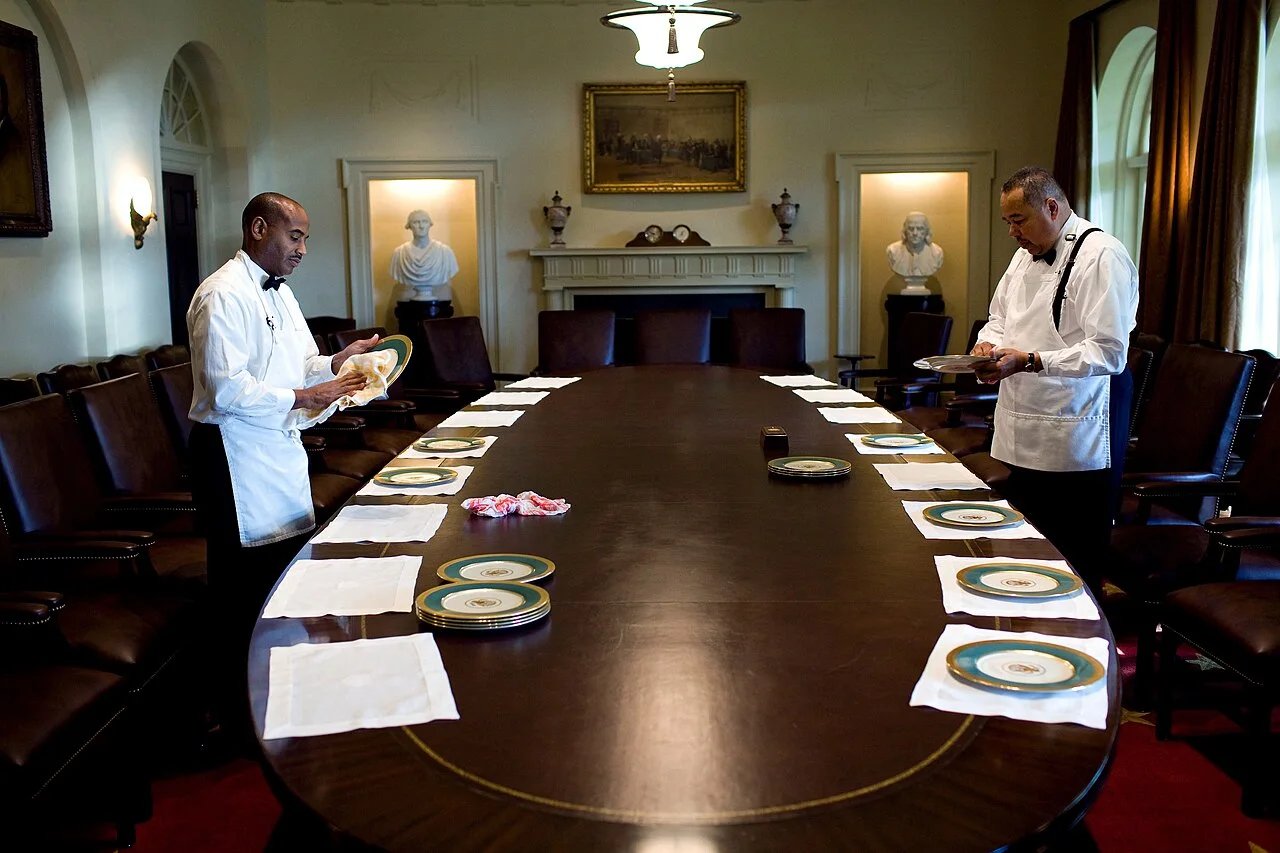
The boundaries are four rooms in the West Wing: the Oval Office (Room 110), the two rooms of the Outer Oval Office (106 and 108) and the Cabinet Room (105). The proclamation calls that the smallest area that allows proper care of what it protects, the size limit the law requires.
The Interior secretary, through the Park Service, has to write a management plan with the White House Office of Administration that puts the rooms' structure and major architectural features first. Any proposed change that touches their historic character has to be weighed against their national significance. The secretary also has to coordinate with the Committee for the Preservation of the White House.
The oval shape dates to President William Howard Taft's West Wing, the proclamation notes, and the office has stood in its present location and form since Franklin D. Roosevelt's administration.
What a president can still change
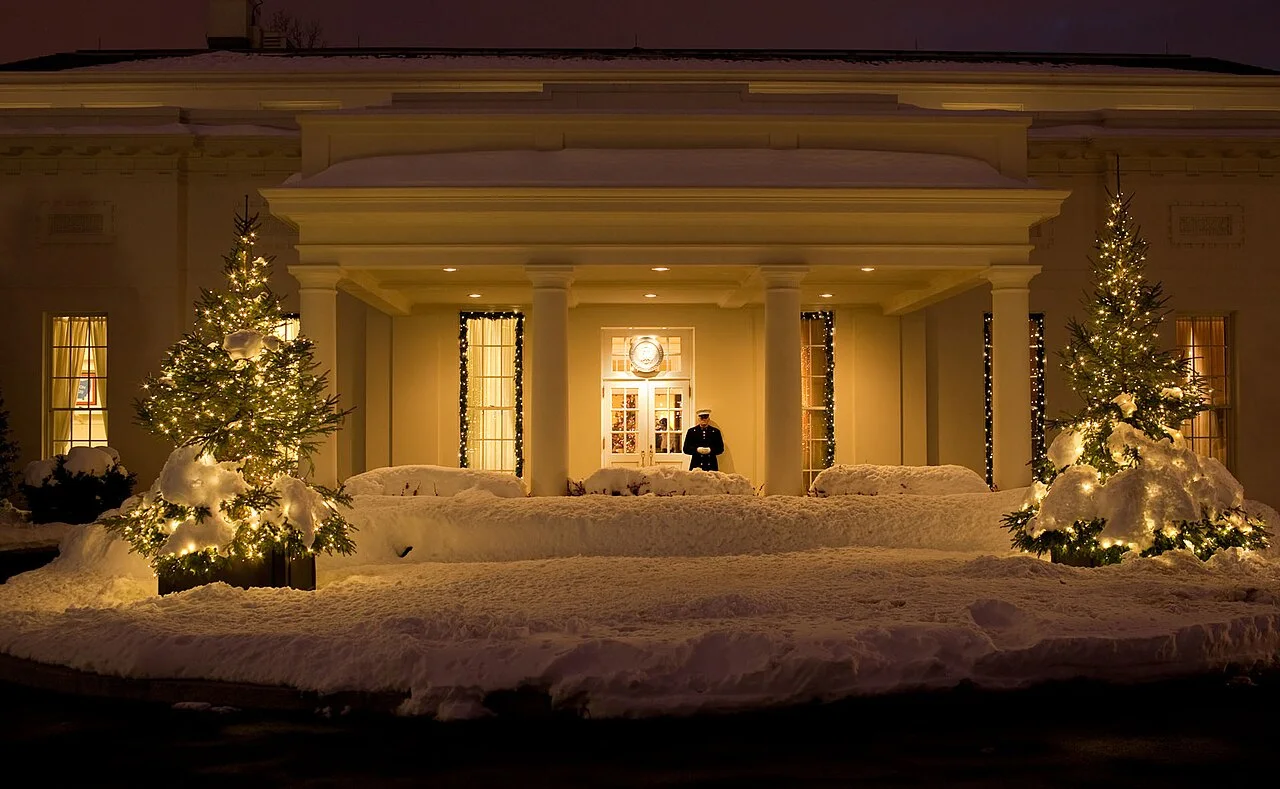
The proclamation says nothing in it restricts the president's power to redecorate the rooms, pick furnishings, or make ordinary operational and security changes, as long as they do not substantially impair the historic structure or its architecture. The White House's existing exemptions under the National Historic Preservation Act stay in place, and Congress keeps its authority over federal property. The review requirement applies to work that would substantially alter or demolish the rooms or their essential architectural elements.
The 1906 law behind it
The Antiquities Act lets a president declare historic structures and other objects of historic or scientific interest on federal land to be national monuments by proclamation. Congress passed it in 1906. Any land set aside has to be confined to the smallest area needed to protect them.
Presidents have also used it to undo each other's work. Bears Ears in Utah has been redrawn three times. Barack Obama created it in 2016 at about 1.35 million acres. Trump cut about 1.15 million acres in 2017, and Joe Biden restored the land in 2021. In July, Trump shrank it again, removing about 1,238,904 acres. That proclamation states the administration's view that the act lets a president remove land from a monument when the protected objects "no longer are, or never were," worth protecting. By that reading, a future president could also redraw or undo the Oval Office monument. Thursday's proclamation does not address that.