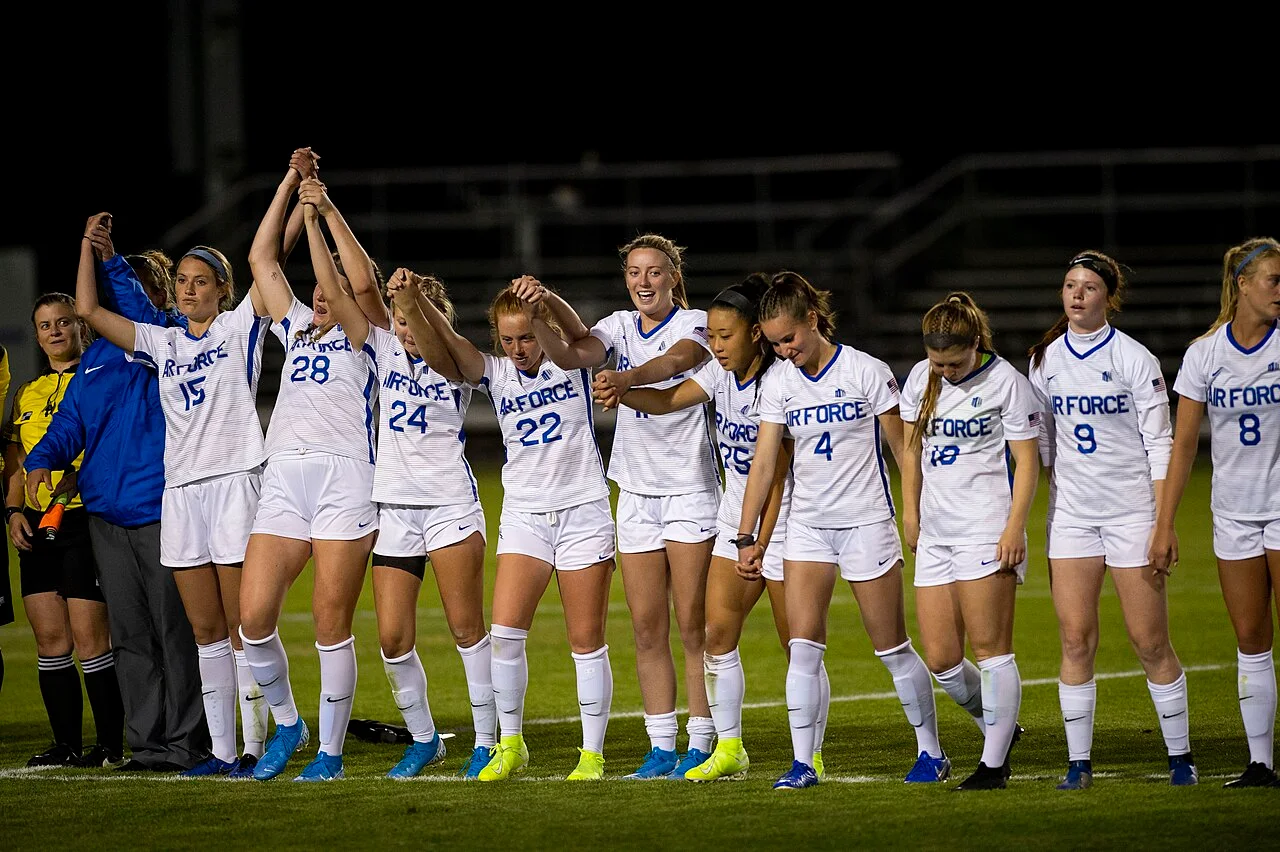
Nebraska voters wrote a rule on sex-designated school sports into their state constitution Tuesday, and similar measures in Arizona and Washington were ahead in early counts. All three would bar students of the male sex, as each measure defines it, from teams designated for girls or women.
Nebraska's Initiative Measure 442 had 488,432 votes for and 229,868 against, about 68%, in the state's unofficial results updated at 5:58 a.m. Central on Wednesday, with 1,309 of 1,322 precincts fully reported. In Arizona, Proposition 318 had 58.9% yes in the Secretary of State's unofficial count as of 5:19 a.m. Arizona time. Washington's Initiative IL26-638 led with 56.8% yes in the state's results. All three counts are unofficial.
How the three measures compare
| Arizona Prop 318 | Nebraska Initiative 442 | Washington IL26-638 | |
|---|---|---|---|
| Type | Statute referred by the Legislature | Constitutional amendment by petition | Statute by initiative |
| Who it covers | Public and private K-12 schools, colleges and athletic associations | K-12 schools and public colleges, plus private schools that compete against them | Public K-12 schools and private schools in the state athletic association or similar groups |
| Defines sex | Yes, by original birth certificate | No | Requires a health care provider to verify biological sex |
| Locker rooms and restrooms | Yes | No | No |
| Lawsuits by students | Yes | No | No |
| Earliest effect | Jan. 1, 2027 | After the governor's proclamation | Dec. 3, 2026 |
Arizona and Nebraska already had similar laws. The ballot measures add provisions those laws lacked or put the rule where lawmakers have a harder time changing it.
Arizona: Proposition 318
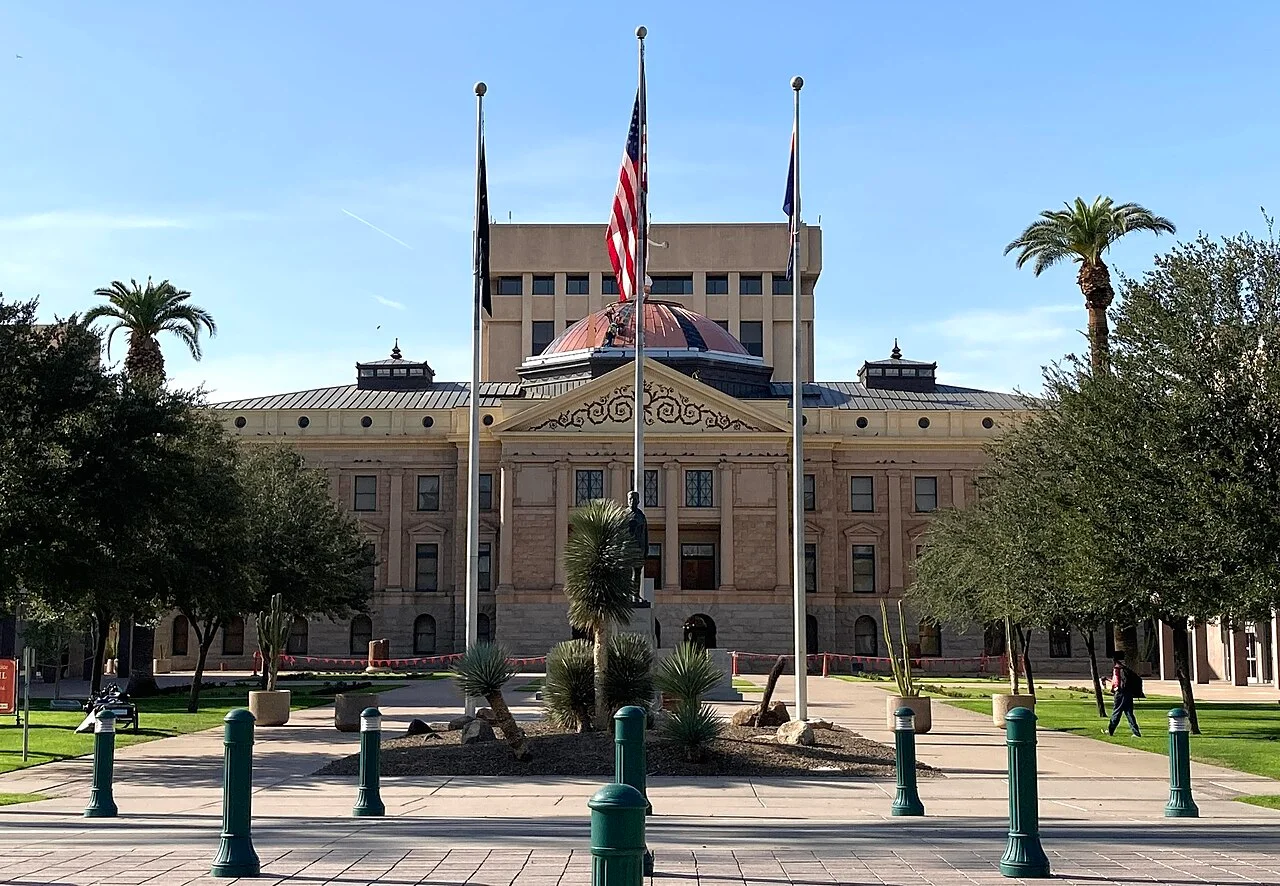
The Legislature sent Prop 318, the "Protect Girls' Sports in Arizona Act," to voters as House Concurrent Resolution 2003. It rewrites a 2022 state law that already closes girls' and women's teams to students of the male sex.
The new version defines sex as "an individual's biological status as male or female as recorded at birth on the individual's original birth certificate." Starting Jan. 1, 2027, schools and athletic associations could not let anyone use a restroom, locker room or shower tied to athletics that is not designated for that person's sex. The measure also extends the rules to athletic associations and keeps the right to sue: an athlete who loses an athletic opportunity because of a knowing violation can seek damages, attorney fees and court orders within two years.
The earlier law has been in court since 2023. The Ninth Circuit let two transgender girls who sued keep playing on girls' teams. In June, the U.S. Supreme Court sent that case back for another look after its ruling in a West Virginia case.
Arizona's statewide canvass must finish by Nov. 23, and a referred measure becomes law when the governor proclaims the result. Because voters approve it, the Legislature can change it only by a three-fourths vote of each chamber, and only to further its purpose.
Nebraska: Initiative 442
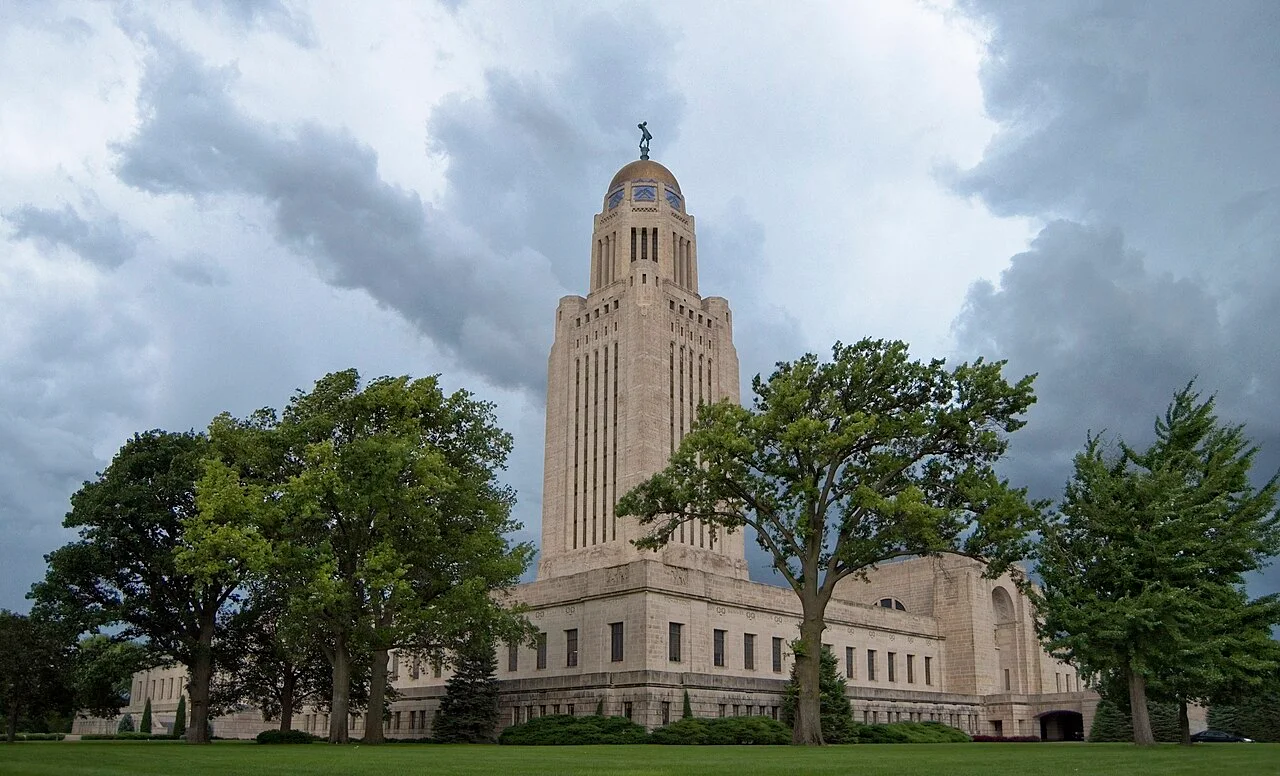
Initiative 442 adds a section to the Nebraska Constitution requiring schools to designate every team as male, female or coed "based on biological sex" and closing female teams to students of the male sex, according to the Secretary of State's ballot pamphlet. It does not define sex, and it sets no penalties.
State law already says much the same thing. Lawmakers passed the Stand With Women Act, LB 89, 33-16 in May 2025, and it defines female by reproductive biology. Supporters wrote in the pamphlet that the amendment gives sex-separated sports constitutional protection. Opponents argued it requires sex verification for girls without a similar requirement for boys.
An initiative needs a majority and at least 35% of all votes cast in the election, a bar Initiative 442 cleared. It takes effect when the governor proclaims it, within 10 days after the state canvass. The canvassing board meets on the fourth Monday after the election, Nov. 30.
Washington: Initiative IL26-638

Washington's measure applies only to K-12 sports. According to the state voters' pamphlet, a student competing on a girls-only team would have to submit a form from their own health care provider verifying biological sex, based on reproductive anatomy, genetic makeup or natural testosterone levels. The attorney general's explanatory statement says it "would generally prevent transgender girls from participating on girls' sports teams."
Let's Go Washington, the group led by Brian Heywood, gathered the signatures. The state budget office estimates a one-time cost of about $21,000 for the state schools office, with district costs unknown. If it passes, the measure takes effect Dec. 3, and for two years lawmakers could change it only by a two-thirds vote in each chamber.
Washington counts ballots postmarked by Election Day that arrive before counties certify on Nov. 24, so the margin can still shift.
What comes next
On June 30, the Supreme Court held in West Virginia v. B.P.J. that Title IX allows schools to field separate women's and men's teams defined by biological sex. The court noted that 27 states had laws keeping female sports for biological females.
No lawsuit against the new measures had been announced by Wednesday morning. Colorado voters also decided a similar statute, Initiative 109, which The 19th reported was still undecided Wednesday morning. For other results from Tuesday's ballot measures, see Edit USA's coverage of Michigan's proposals and Massachusetts' nine questions.