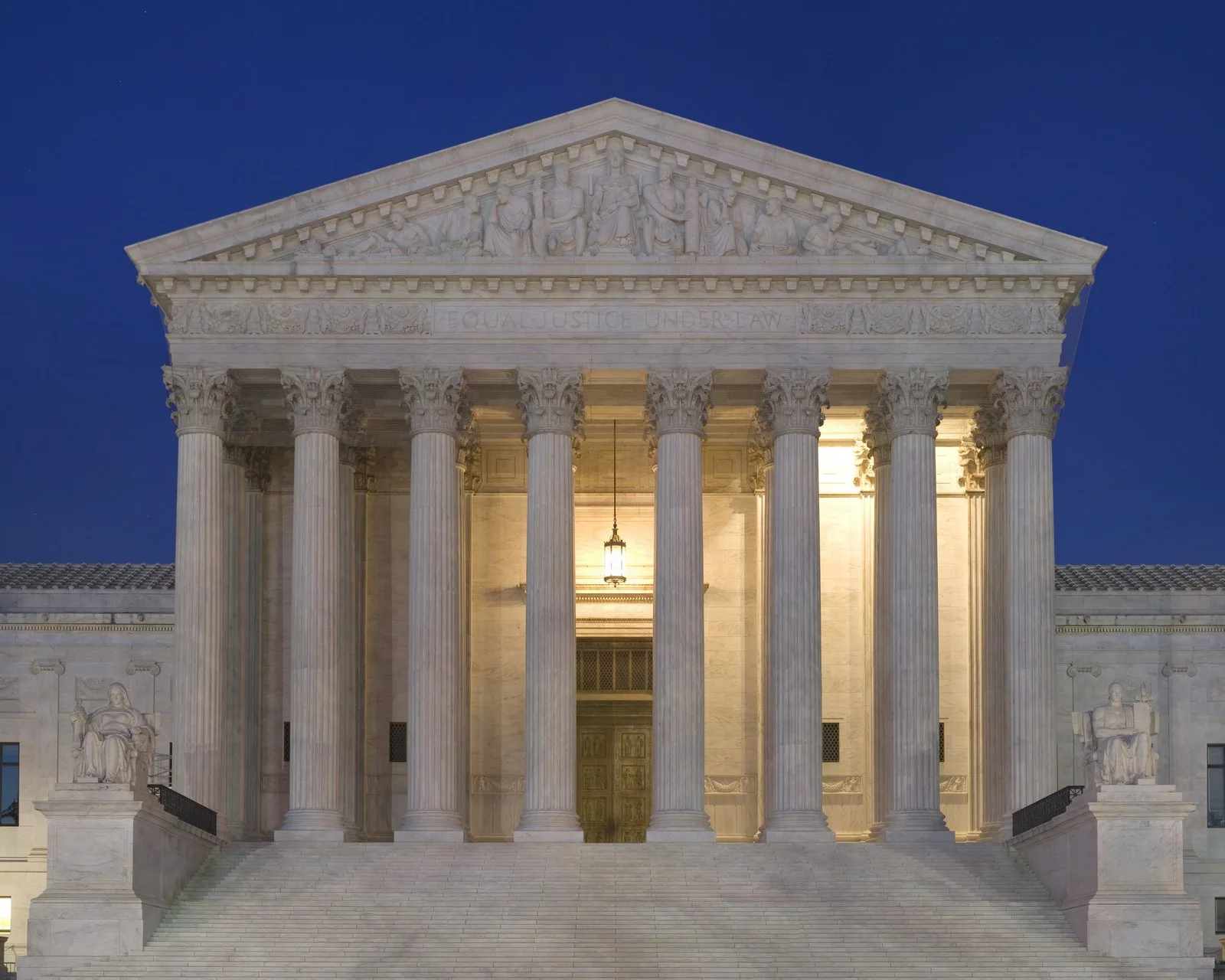
The Justice Department has asked the Supreme Court to step into a fight over about 20,000 California mail ballots, one day before Election Day. Federal officials want the ballots, sent to people on a federal list of suspected noncitizens, set aside so their citizenship can be checked before the votes are counted. A federal judge in Los Angeles and a divided Ninth Circuit panel have both refused.
Solicitor General D. John Sauer filed the emergency application on Monday, and the court docketed it as No. 26A624 and sent it to Justice Elena Kagan.
The government wants an order requiring California to segregate mail ballots from people it identified as likely noncitizens while the Ninth Circuit appeal continues, plus a temporary order to the same effect while the justices decide. Its filing cites the federal law that makes it unlawful for noncitizens to vote in federal elections.
What the federal government wants
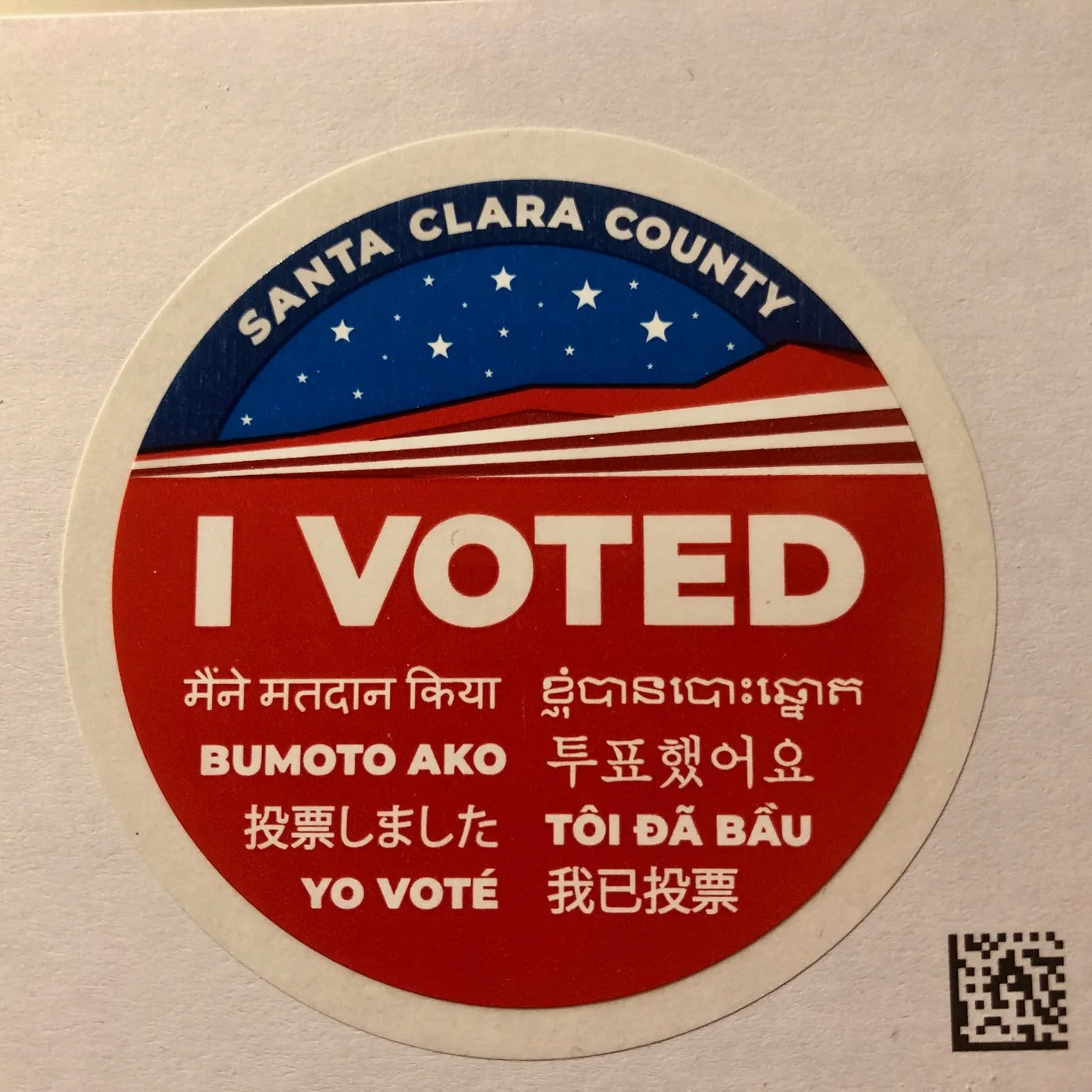
Over the summer, U.S. Citizenship and Immigration Services and Homeland Security Investigations ran California's voter roll against their own records and built a list of "high-confidence" noncitizens, according to the Ninth Circuit's Oct. 30 order. The government gave that list to the state and to Los Angeles County on Oct. 12 and asked them to hold back every ballot from a name on it. Both refused, saying they doubted the list was accurate, and the United States sued on Oct. 15.
It asked the courts for an order "to set aside vote-by-mail ballots from persons identified by the Federal Government likely to be noncitizens" and to have the state verify those voters' citizenship, on its own or with federal help, before counting the ballots.
Secretary of State Shirley Weber's office said Oct. 20 that the administration had gone to court "without a shred of concrete evidence" to make election officials "effectively seize and sequester" those ballots.
What the courts have said so far
The case reached the appeals court twice. On Oct. 26 the Ninth Circuit dismissed a first appeal because the government had not given the trial judge time to rule. U.S. District Judge David Carter held a hearing on Oct. 27 and denied the government's request for a temporary restraining order the next day.
The district court found the federal list came with "no error rates" and no explanation of how LexisNexis had matched names to Social Security numbers that are not on California's public voter file. It also credited a Los Angeles County election official who warned that pulling the ballots would require untested changes to the county's systems, finding that the request "would provoke catastrophic change, upending the administration of the election."
On Oct. 30 the Ninth Circuit, 2 to 1, refused to order the ballots set aside while the appeal goes forward. Judge Patrick Bumatay dissented, calling the government's proposal "a modest remedy" that "would not cancel any vote but would allow time to verify the eligibility of suspected noncitizens."
As of Monday afternoon, no court order requires California or Los Angeles County to treat those ballots differently from any other. That changes only if the Supreme Court grants the government's request. The state's deadline to certify the election results is Dec. 11.