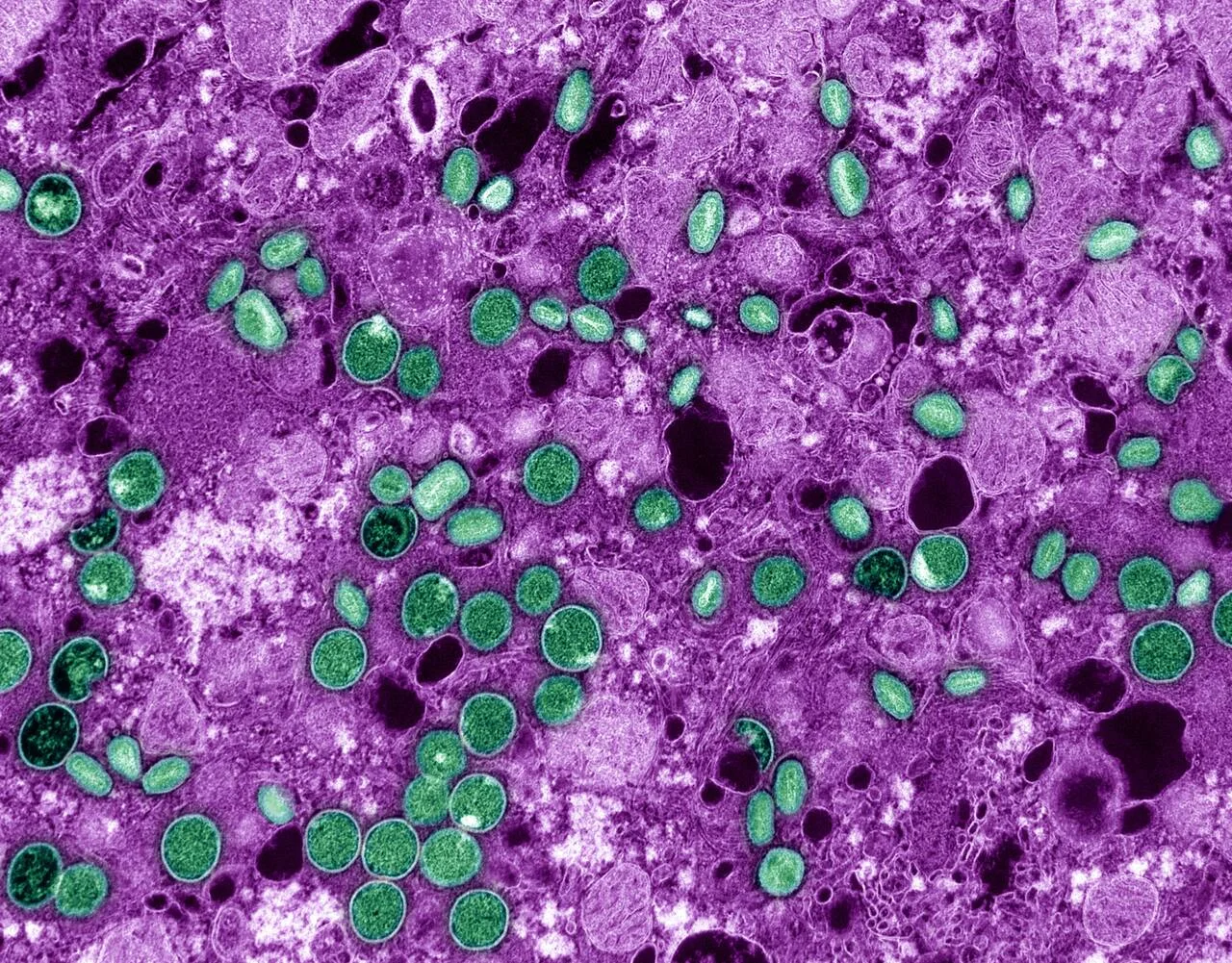
The clade I strain of mpox, the type behind the large outbreaks in Central and Eastern Africa since 2023, is now likely spreading person to person inside the United States, according to the CDC. In an update dated Oct. 27, the agency said cases with presumed domestic transmission have turned up in 15 jurisdictions, "indicating a likely transition to sustained clade Ib transmission in the United States."
The CDC counts nearly 130 lab-confirmed clade I cases since November 2024, in at least 26 states plus Puerto Rico. Many of those cases involved travel abroad or sex with someone who had traveled. Since August, a growing share have had no recent international travel and no known link to a traveler, the agency says, and it expects more cases of both kinds.
What it looks like locally
Stanislaus County, in California's Central Valley, reported four mpox cases on Oct. 29. The California Department of Public Health confirmed two as clade I, and testing on the other two was still underway. Three of the four people had not traveled internationally, and investigators were still checking the fourth person's travel history.
"We want residents to know that the risk to the general public remains low," said Dr. Thea Papasozomenos, the county's public health officer.
How worried to be
The CDC rates the risk from clade I to most people in the United States as low, and to gay, bisexual and other men who have sex with men as low to moderate. Most U.S. cases so far have been among men in that group.
Recent travel-linked clade I cases have almost all been subclade Ib, and the CDC says those cases have caused no deaths and mostly mild illness. Worldwide, nearly 60,000 clade I cases have been confirmed since January 2024, with more than 150 deaths.
According to the CDC, both clades spread, are treated and are prevented the same way. Mpox passes mainly through close skin-to-skin contact, including sex, and through contaminated bedding, towels or clothing. Casual contact, such as sharing an office or passing someone in a store, rarely spreads it, the county says.
Symptoms to watch for
Symptoms can start up to 21 days after exposure, according to the county. They can include a rash or sores, sometimes resembling pimples or blisters, along with fever, chills, swollen lymph nodes, headache, muscle aches or tiredness. Some people get only a few sores. Most recover in two to four weeks.
Anyone with an unexplained rash should call a health care provider before going in and ask about an mpox test, which usually means swabbing a sore. Until then, avoid close contact and don't share bedding or towels.
Who should get the vaccine
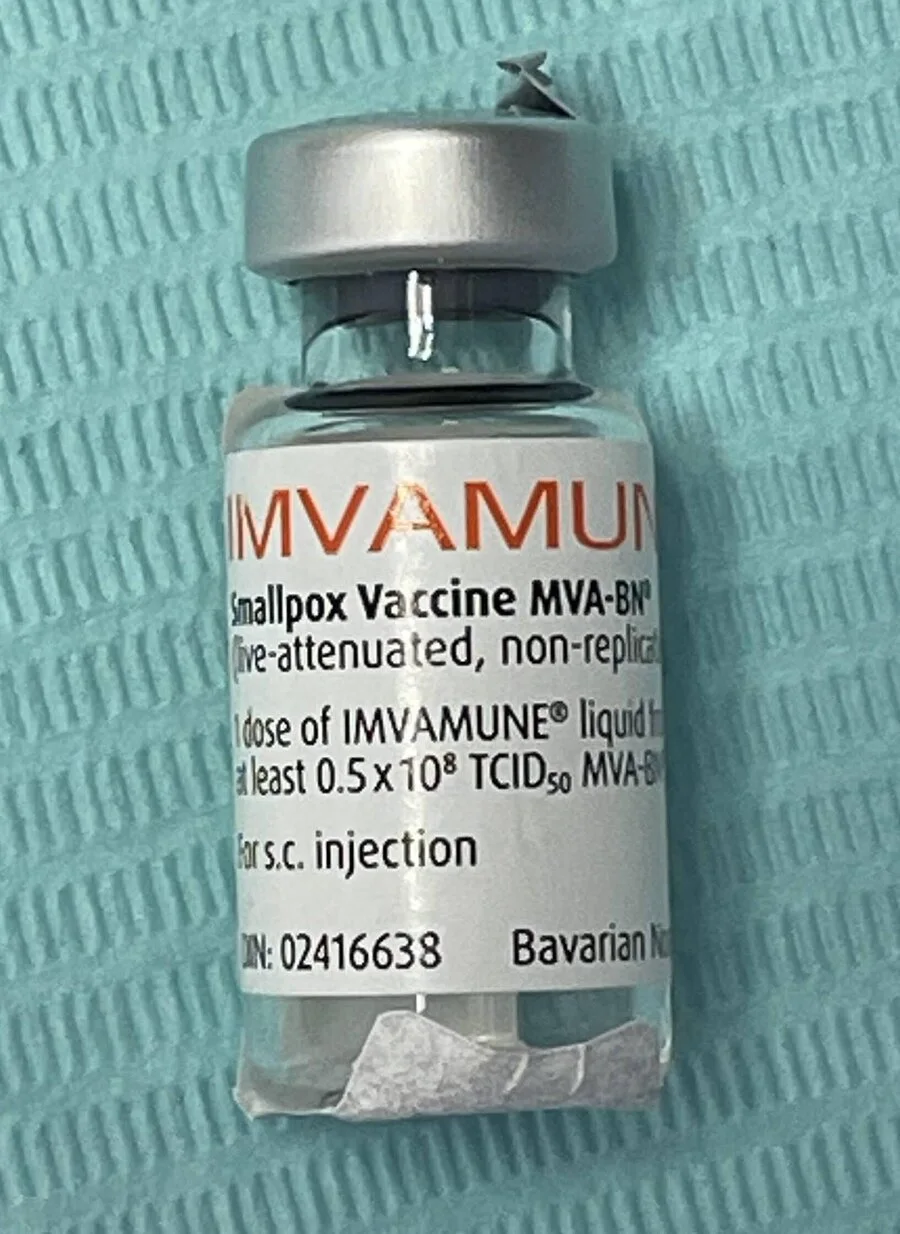
The CDC recommends the two-dose JYNNEOS vaccine for anyone whose sex partner was diagnosed with mpox in the past two weeks. It also recommends it for gay, bisexual and other men who have sex with men, and for transgender or nonbinary people, who in the past six months had a new STI diagnosis, more than one sex partner, or sex at a commercial sex venue or tied to a large event or a place where mpox is spreading. People whose sex partner has any of those risks qualify too.
The second dose comes four weeks after the first. If it's late, the CDC says to get it as soon as possible. Protection peaks two weeks after the second dose. In Stanislaus County, the immunization clinic takes appointments at (209) 558-7700, and the county also suggests asking at a retail pharmacy.