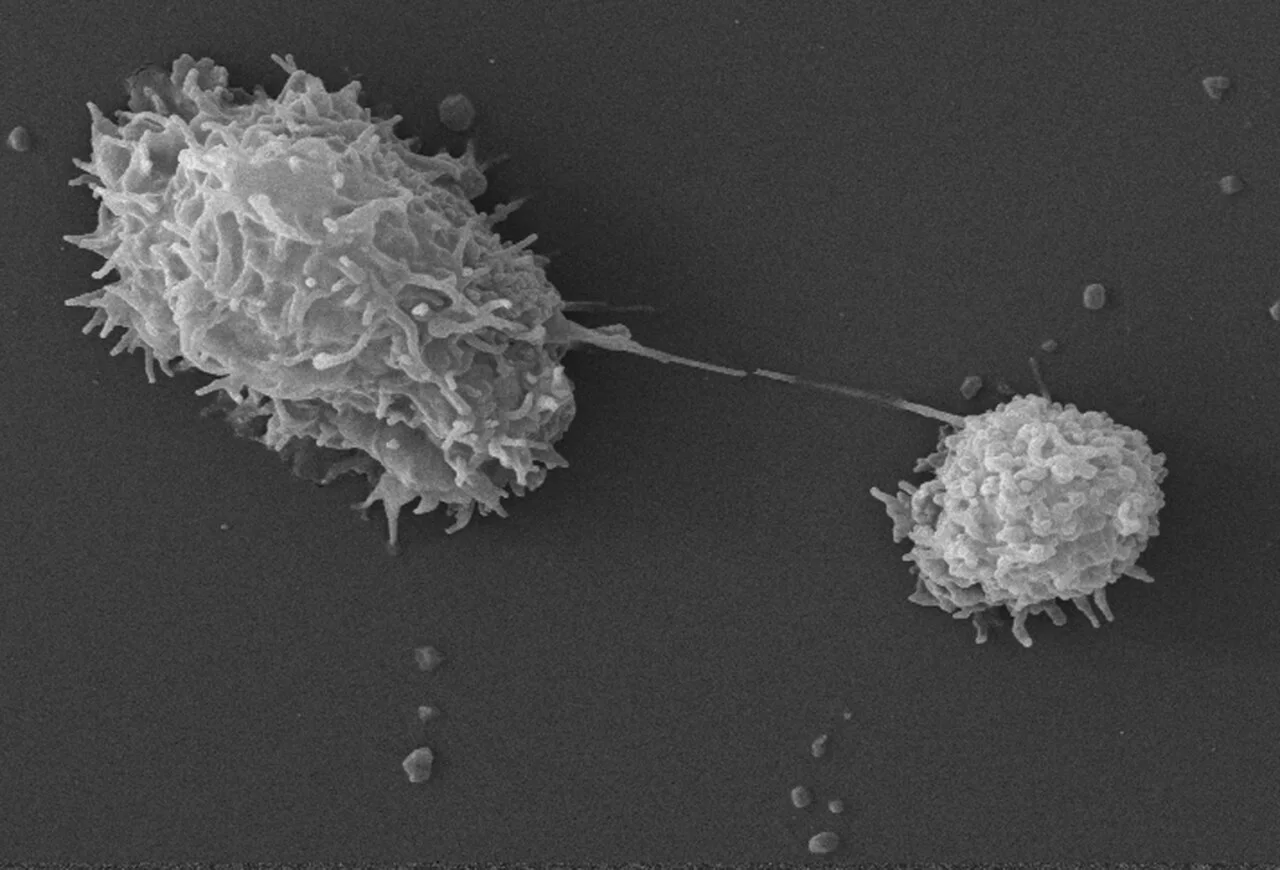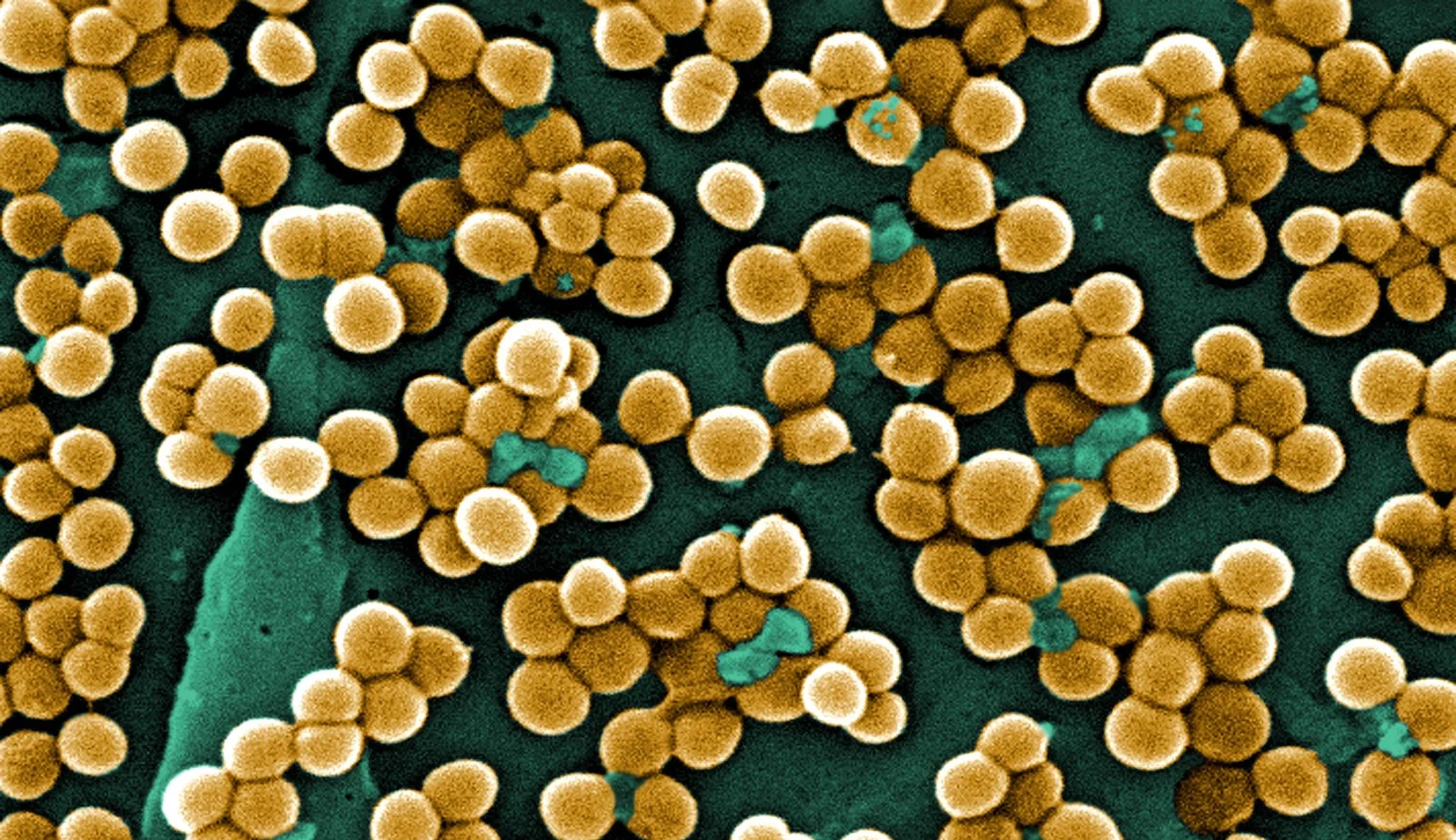
Drug-resistant bacteria and fungi cause about 9.7 million infections and 50,800 deaths in the United States each year, according to CDC's new Antimicrobial Resistance Threats Report, which the agency calls its most comprehensive estimate to date. The estimates use 2023 data and cover 19 germs that CDC ranks by how serious a threat they pose.
The ranges are wide: CDC puts the true number of infections somewhere between 8.2 million and 11.7 million, and deaths between 39,400 and 65,100, according to its summary of the burden estimates.
Why the numbers look so much bigger than 2019

The 2019 report counted about 2.8 million infections and 35,000 deaths, with another 223,900 C. diff cases and 12,800 deaths listed separately. CDC warns against reading the jump as a trend. It changed its methods and data sources for every germ except one, and it says plainly that "direct comparisons to previous AR Threats Reports for all pathogens except C. auris should not be made."
Some of the change is in what gets counted. Group A and group B strep now include infections that are not invasive, and C. diff now includes patients who were never hospitalized. Drug-resistant group A strep alone accounts for about 2 million of the infections in the new total.
The four urgent threats
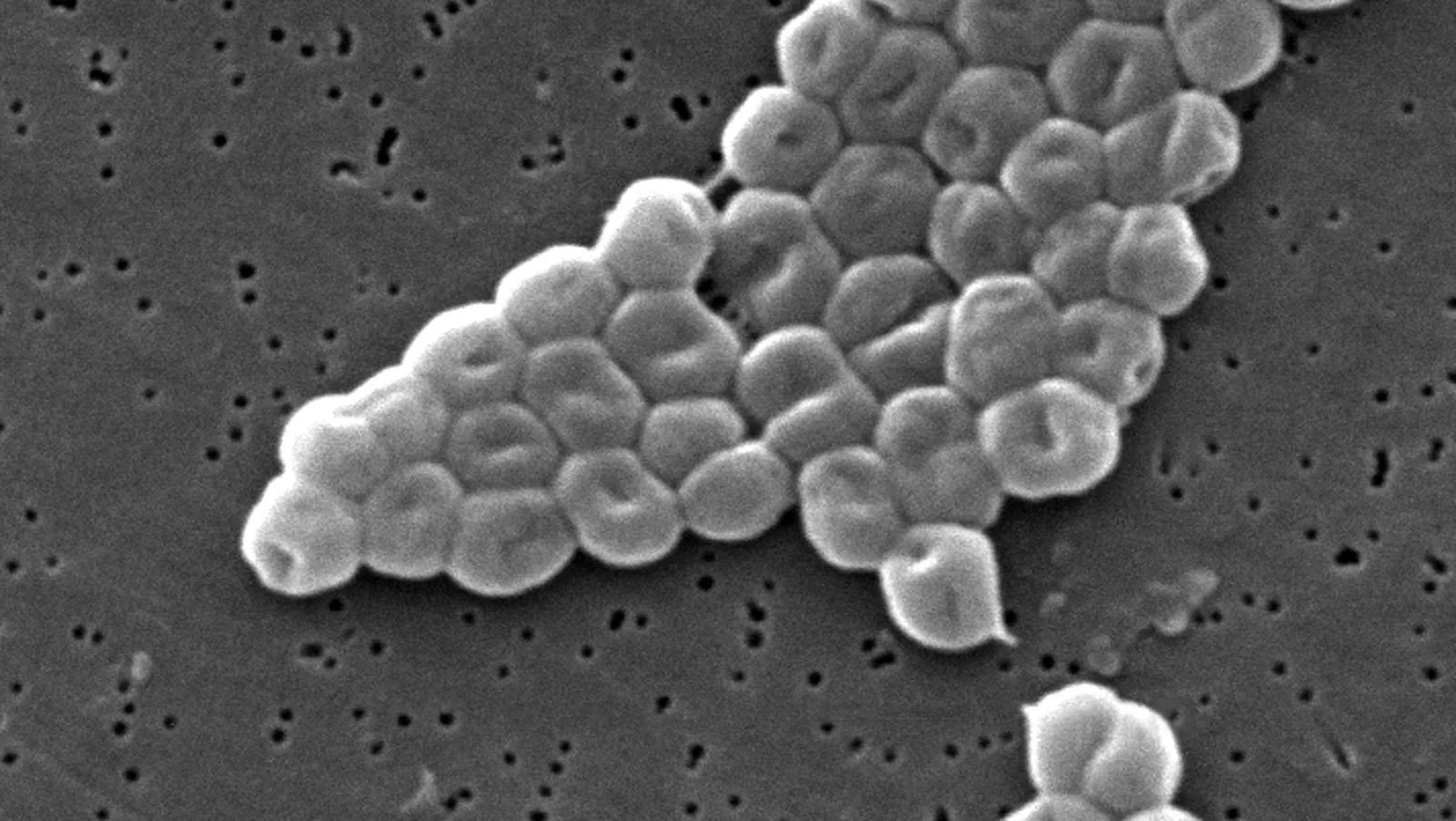
CDC calls four germs urgent, meaning they need "urgent and aggressive action":
| Germ | 2023 estimate | What CDC highlights |
|---|---|---|
| Candida auris, a fungus | 4,523 clinical cases | Up more than 50% from 2022 and nearly tenfold since 2019 |
| Carbapenem-resistant Acinetobacter | 9,497 cases, 817 deaths | A hard-to-treat type rose quickly from a small base |
| Carbapenem-resistant Enterobacterales (CRE) | 14,878 cases, 1,252 deaths | One type, NDM-CRE, rose nearly fivefold from 2019 to 2023 |
| Drug-resistant gonorrhea | 787,000 infections | No death estimate |
C. auris is the only germ CDC says can be compared with earlier reports. In 2023, 96% of tested samples resisted fluconazole, a common antifungal.
Most deaths come from germs lower on the list. CDC's largest death estimates are for a group of resistant gut bacteria called ESC-RE (13,886), C. diff (11,339), MRSA (7,499) and VRE (6,536). C. diff also carries the largest cost estimate, about $6.4 billion a year. It moved down from urgent to serious in this edition.
What changed on the list
CDC added Neisseria meningitidis, a cause of meningitis, as a serious threat. Its Watch List of germs it is monitoring now has six entries, including ringworm-causing fungi, whooping cough bacteria and Haemophilus influenzae. The group of resistant gut bacteria once called ESBL is now named ESC-RE.
What you can do
CDC's prevention guidance for individuals includes these steps:
- Keep any cut clean and covered while it heals, and keep chronic conditions such as diabetes under control.
- Wash your hands, including after handling animals.
- Stay current on vaccines, which prevent some resistant infections.
- When someone in the family is sick, ask a doctor which treatment fits, and learn the signs of infection and sepsis.
- Cook meat to safe temperatures (145°F for whole cuts of beef and pork, 160°F for ground meat, 165°F for poultry) and refrigerate leftovers within two hours.
- Use condoms, and get treated right away with your partner after a positive STI test, since gonorrhea is one of the four urgent threats.