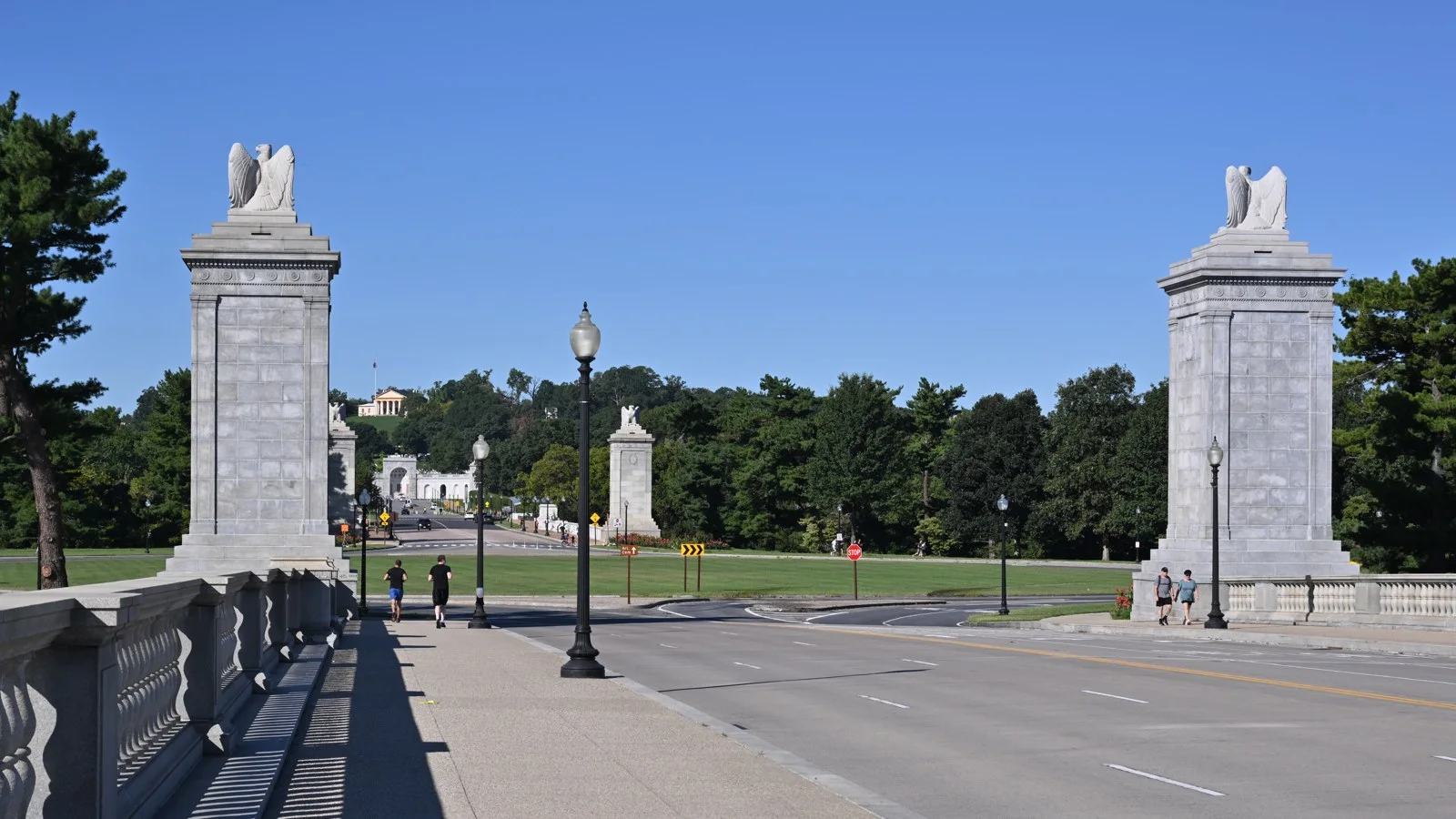
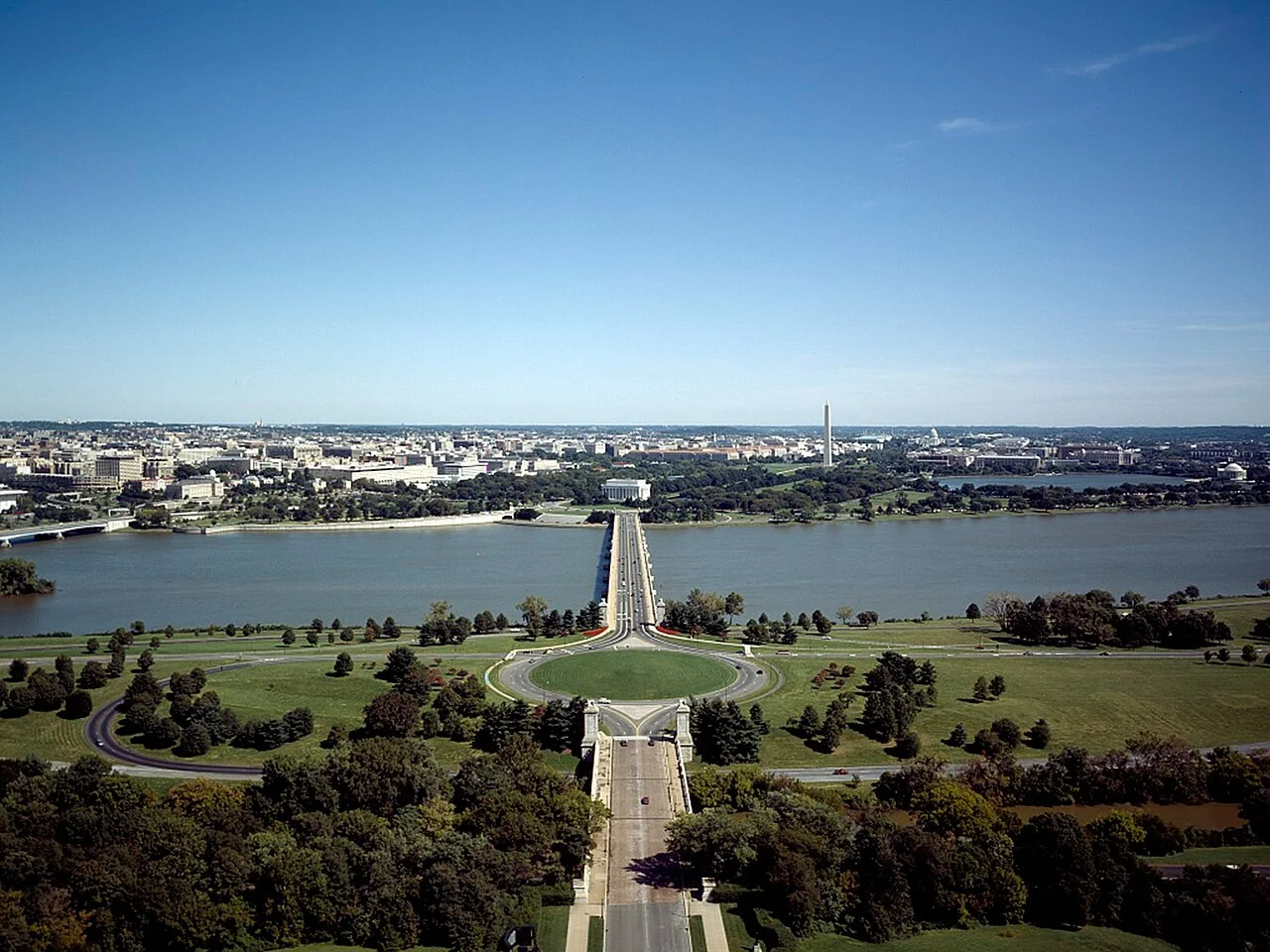
The District of Columbia and Virginia went to federal court on Oct. 31 to stop construction of a 250-foot triumphal arch at Memorial Circle, the traffic circle at the west end of Arlington Memorial Bridge, on Columbia Island along the line between Washington and Virginia. Their filing targets Nov. 5, when the National Capital Planning Commission is scheduled to vote on final approval. The federal government has told the court that, if the plan is approved, construction could begin as early as the same day.
What D.C. and Virginia are asking for
The two governments' motion for a temporary restraining order, signed by Virginia Attorney General Jay Jones and D.C. Attorney General Brian Schwalb, asks for three things:
- an administrative stay, entered before Nov. 5, that bars construction while the court considers the case;
- a temporary restraining order and a stay under the Administrative Procedure Act as soon as the government formally approves the arch;
- no bond requirement.
The defendants are the National Park Service, the Interior Department and their leaders. D.C. and Virginia say the project breaks at least five federal laws. Monuments on federal land in the capital need specific approval from Congress under the Commemorative Works Act and a separate statute, and the filing says there is none. They also argue the arch would exceed the 130-foot limit in the Height of Buildings Act and that the Park Service cut short required environmental and historic-preservation reviews.
What would be built
Park Service planning documents quoted in the states' memorandum describe a "concrete structure clad in granite or marble veneer," with a winged figure and two statues on top, a paved plaza around it and an observation deck inside. The arch could hold 450 visitors at a time, and the agency expects 2,000 to 22,000 visitors a day.
The memorandum also quotes the agency's construction plan. Work would run about two to three years, 20 hours a day. The south side of Memorial Circle would close for staging, westbound traffic from the bridge would drop to two lanes, and 20 to 30 trucks would make 80 to 100 trips a day. Crews would haul out about 1,400 truckloads of soil.
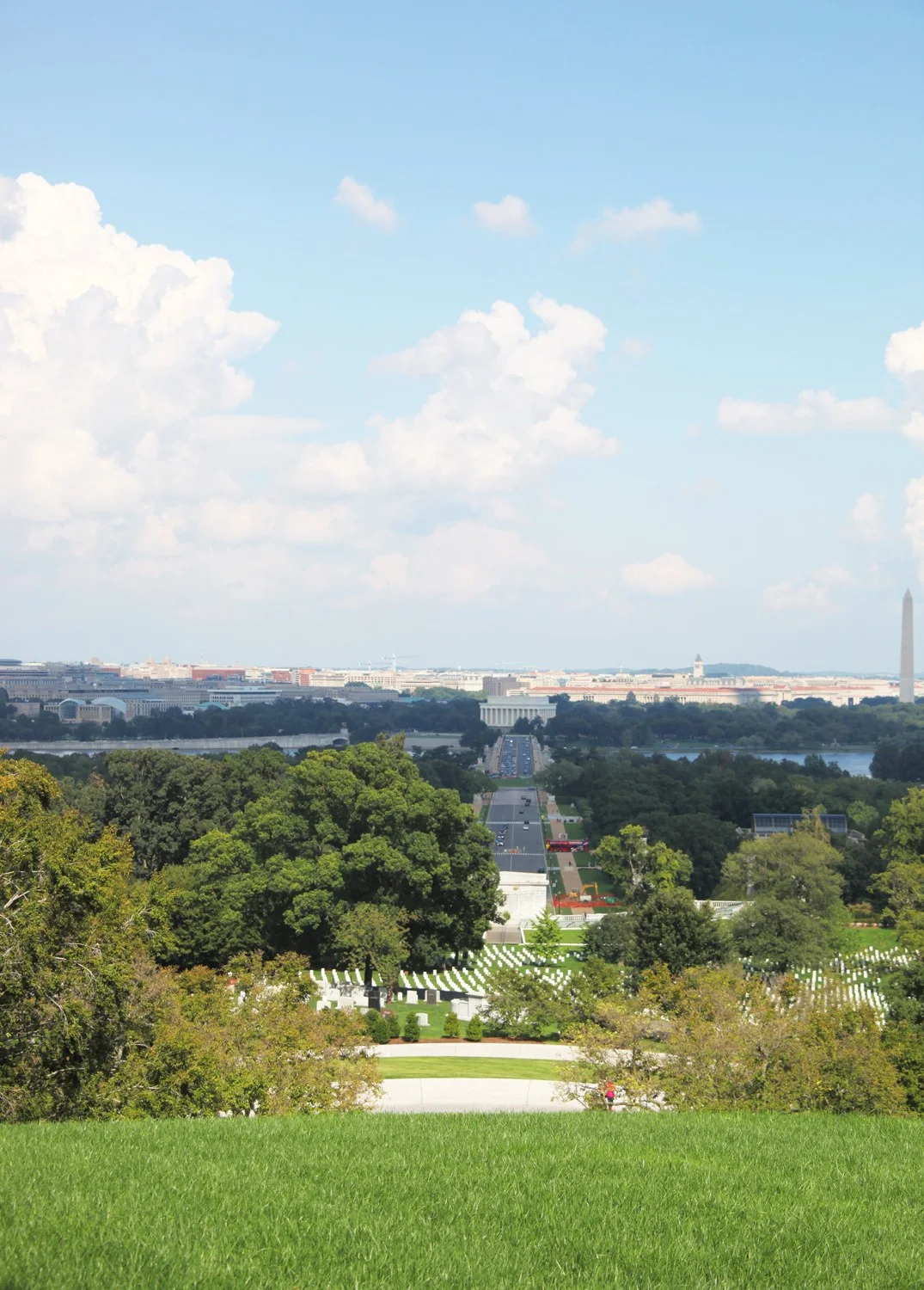
The Park Service's own finding, as quoted in the filing, says the arch would sit in the middle of the line of sight between Arlington House and the Lincoln Memorial, a view the bridge was designed to create, according to the filing.
The filing also points to a Sept. 20 post in which President Trump said the arch would be converted into a military complex that could house drones, snipers and sniper ammunition. The final plans do not mention those uses, D.C. and Virginia say, while the Interior Department has said the current design can accommodate them.
The fight over height
In an Oct. 2 memo to the commission, the Interior Department's Office of the Solicitor argued that the height law does not apply to federal buildings at all. It said the arch body is 166 feet, matching two 166-foot columns in a 1924 bridge plan that Congress authorized in 1925 for the same island, and that the observation deck counts as an allowed penthouse. The statues bring the total to about 250 feet. Interior also argued the arch is a structure rather than a building, which would put it outside the law.
D.C. and Virginia answer that 166 feet already exceeds 130, and that nothing in the law lets the government ignore the top 84 feet.
What happens next
The case is before U.S. District Judge Tanya S. Chutkan. On Oct. 31 she combined it with an earlier lawsuit against the arch, Lemmon v. Trump, which will serve as the lead case for all future filings, and ordered the parties to propose a briefing schedule on the restraining-order request by 5 p.m. that day.
The planning commission's project page lists the arch for a vote on final site and building plans at its Nov. 5 open session.