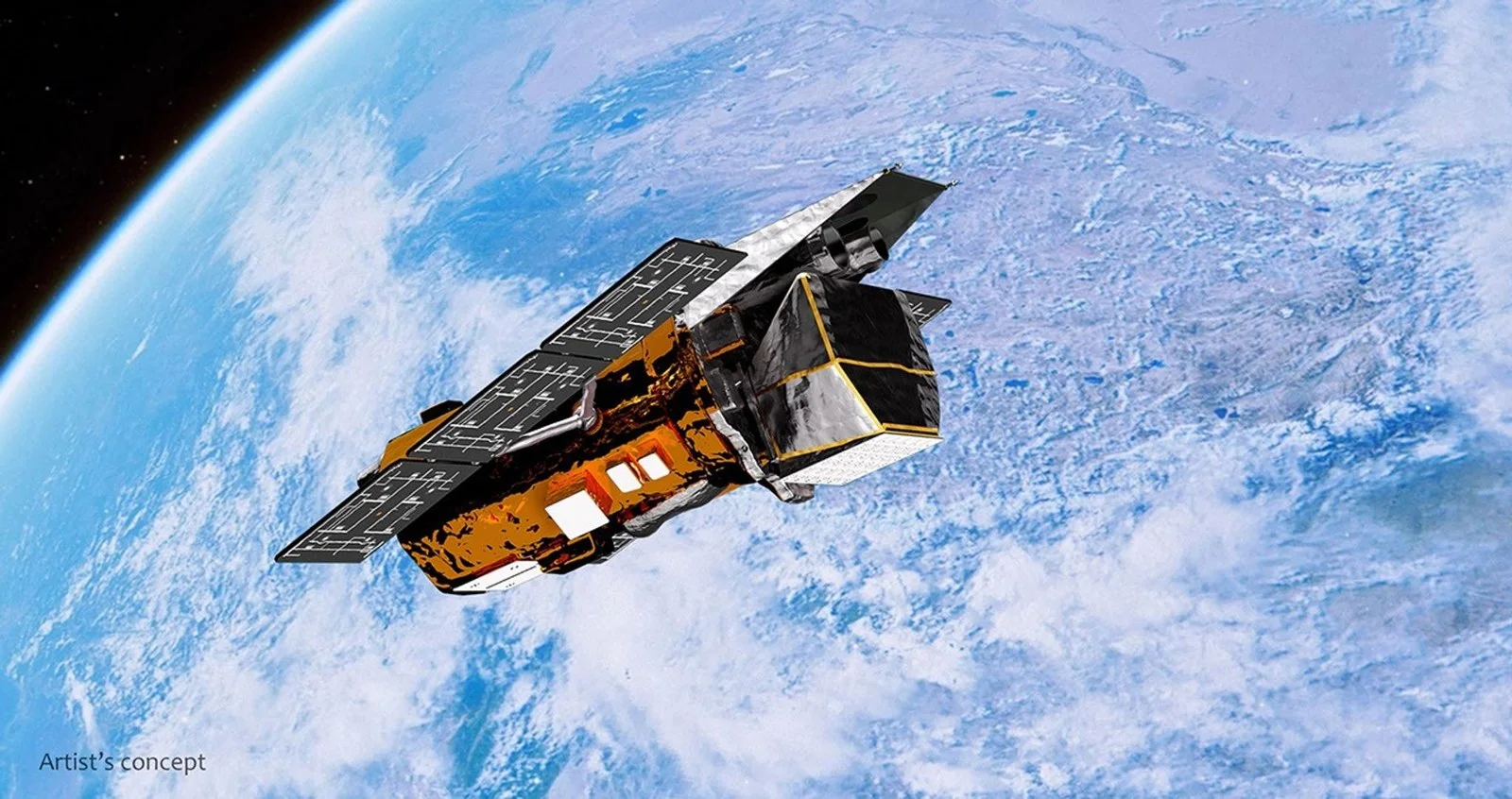
NASA's Neil Gehrels Swift Observatory, a telescope that spent nearly 22 years catching the universe's biggest explosions within about a minute of their start, has been shut down and is expected to fall back into the atmosphere in the next few weeks. NASA announced on Oct. 23 that the mission had ended, after the spacecraft sank to 171 miles above Earth and could no longer hold steady on its targets.
Swift made its last observation on Oct. 20. NASA's updates so far give no date or location for the re-entry, and the agency says it will post news on the Swift mission blog.
Why it is coming down
Every satellite in low Earth orbit feels a little drag from the thin upper atmosphere, and a satellite without propulsion slowly loses altitude. Heightened solar activity strengthened that drag on Swift, and it began sinking quickly.
The team at Penn State, which runs the spacecraft, tried to buy time. Starting in December 2025, it swapped about a quarter of Swift's science targets for points in the sky that reduced drag, and by February it had switched over entirely, pausing pointed science observations. When Swift went back to work in late August, the extra drag returned, and on Oct. 20 the spacecraft hit 171 miles, slipped into safe mode and was commanded to end operations.
The rescue attempt
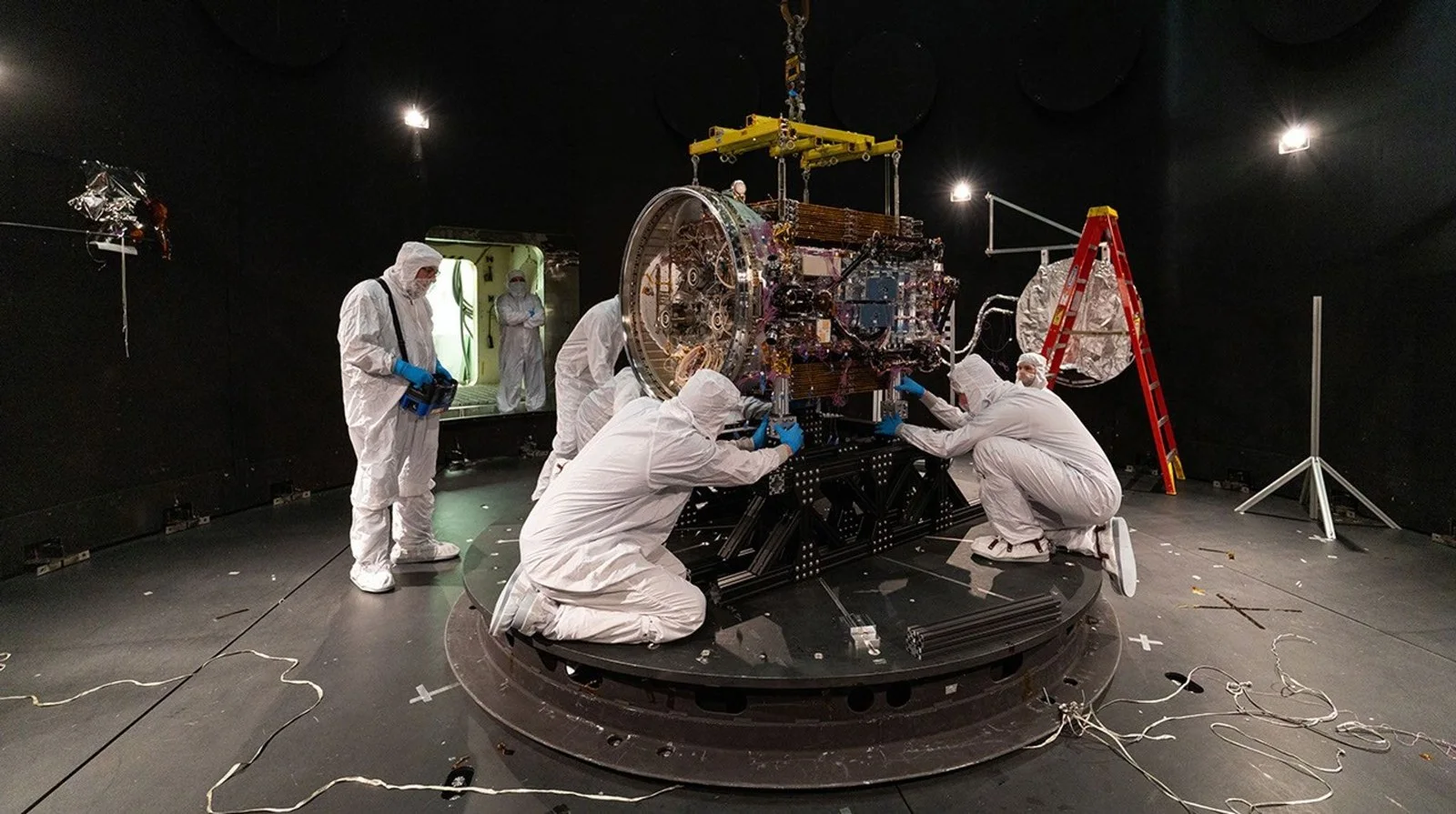
NASA hired Katalyst Space of Flagstaff, Arizona, in September 2025 to build a robotic spacecraft that would catch Swift and lift it to a higher orbit. The company had about a year. Its spacecraft, called LINK, launched in July on a Pegasus XL rocket from Kwajalein Atoll in the Marshall Islands.
LINK soon had communication dropouts and trouble controlling its orientation, and in August the two sides agreed it would not try to grab Swift. It flew technology tests instead, NASA ended its part on Sept. 3, and LINK itself re-entered the atmosphere on Sept. 25. "From the beginning, this was a high-risk, high-reward mission," Shawn Domagal-Goldman, who leads NASA's astrophysics division, said in the agency's review of the boost attempt.
What Swift leaves behind
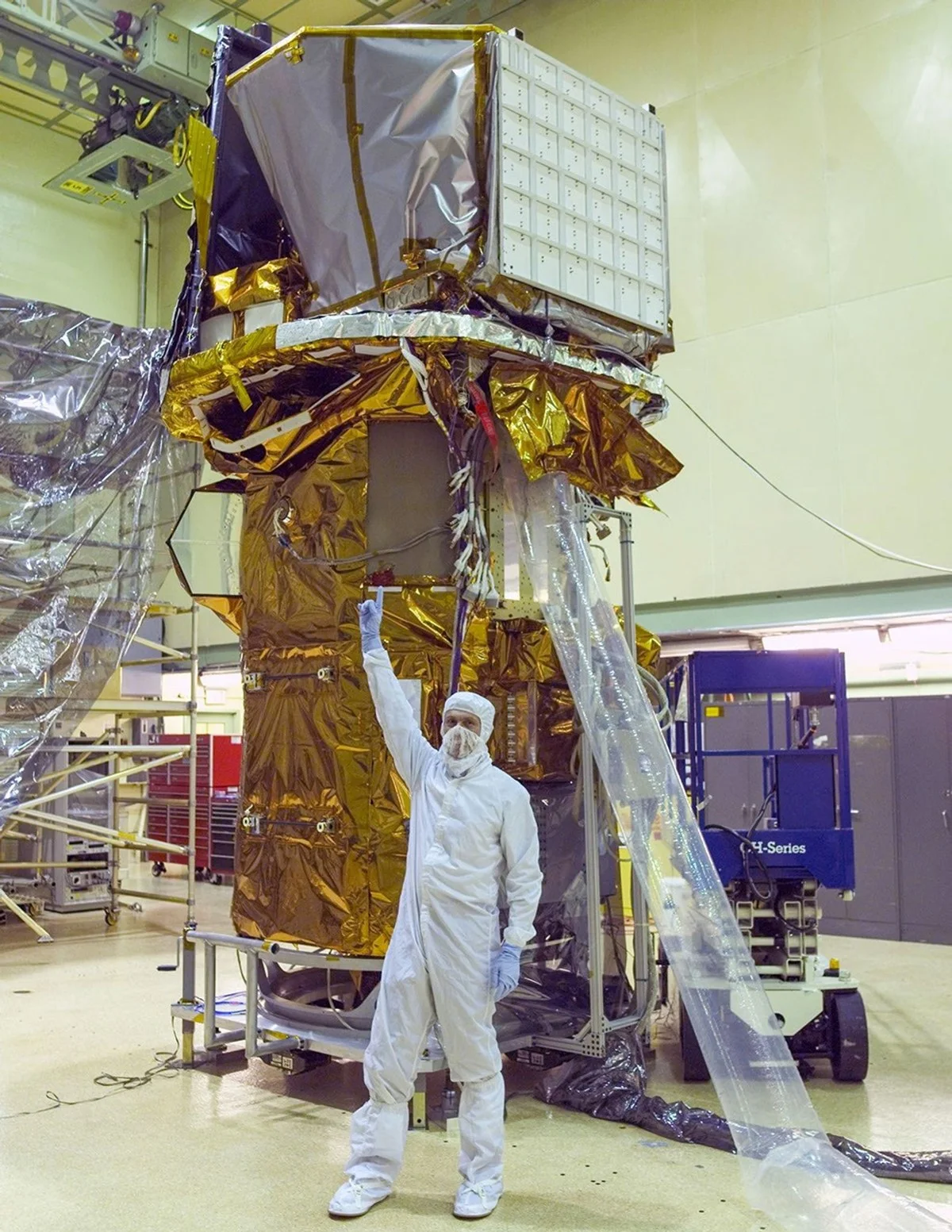
Swift launched on Nov. 20, 2004, for a two-year primary mission. According to NASA's account of its career, it went on to observe more than 2,000 gamma-ray bursts and more than 1,400 supernovas, watched stars being torn apart by black holes, and fed about 7,000 published scientific papers.
Its best-known feat came in May 2005, when it swung around fast enough to catch the afterglow of a burst that lasted only 0.03 seconds. That was the first short gamma-ray burst with a detected afterglow, and the observations supported the idea that these bursts come from collisions of neutron stars. The mission was renamed in 2018 for Neil Gehrels, its first principal investigator, after his death.
The data stays public. Swift's archive holds more than 1.5 million images from its ultraviolet and optical telescope and about 12 terabytes in all. NASA says it will lean on its other telescopes to respond quickly to sudden cosmic events while it looks for longer-term replacements.