NASA is asking private companies how they could keep the Hubble Space Telescope working longer, or bring it down safely when its time is up. The agency issued a request for information on October 29 and will take responses until 3 p.m. Eastern on Monday, November 30, NASA announced Friday.
Hubble has no engine of its own, and thin air at its altitude slowly drags it lower. NASA's analysis puts its likely fall back into the atmosphere in 2033 or 2034, so any rescue mission would need to fly by 2032.
What NASA is asking companies about
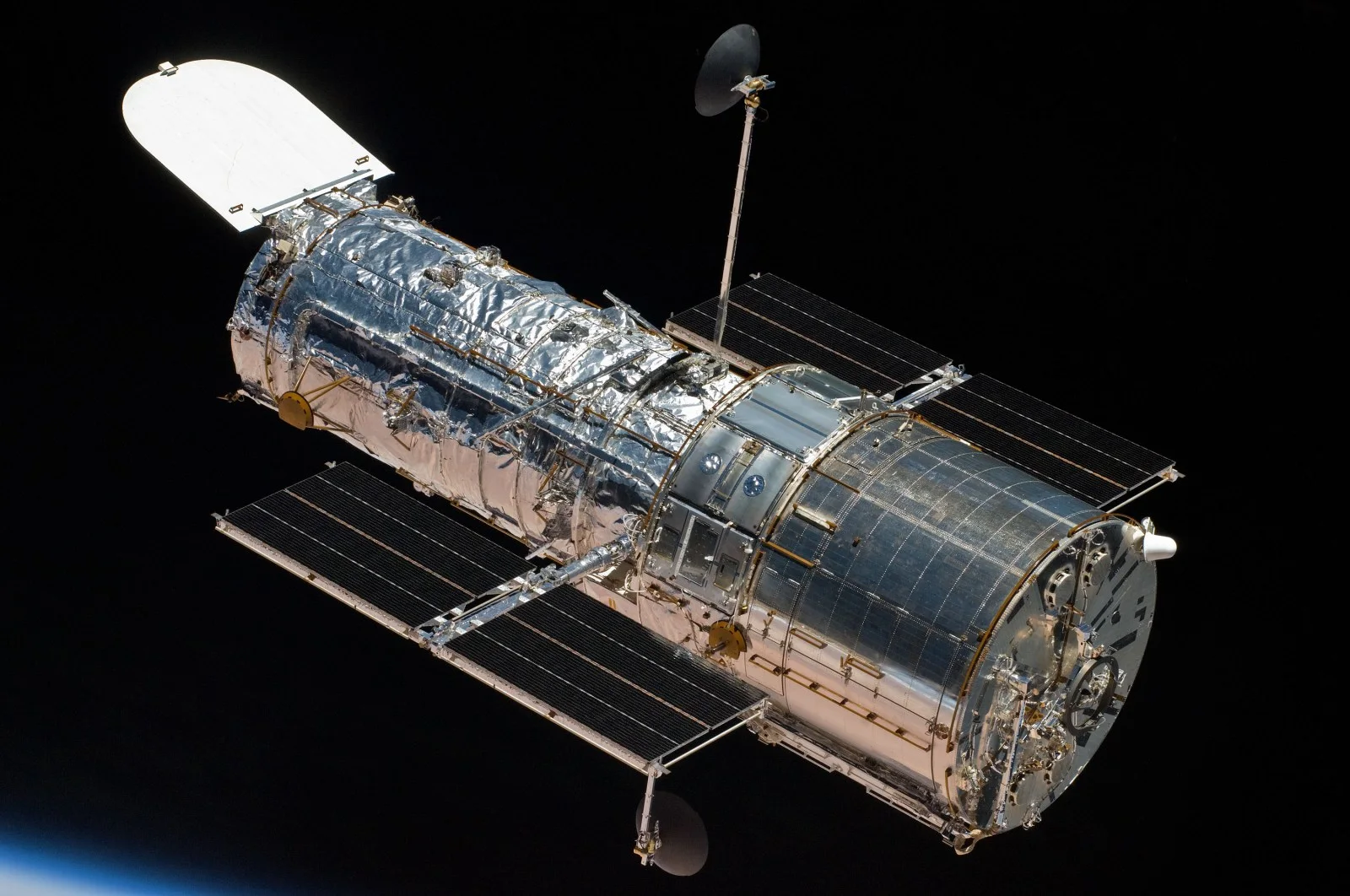
The request covers three kinds of missions:
- Raising Hubble to a higher orbit, which would stretch out its science lifetime
- Servicing the telescope to improve what it can do
- A safe, controlled re-entry, or another way to dispose of it, at the end of the mission
"If there are innovative and cost-effective ways to extend the life of an asset already on orbit, we owe it to the American taxpayer and the scientific community to explore them," NASA Administrator Jared Isaacman said.
Nicky Fox, who leads NASA's science directorate, pointed to how much the satellite-servicing business has changed and said the agency wants to look at ways to boost Hubble "while we develop the flagship mission to follow."
The agency has looked at this before
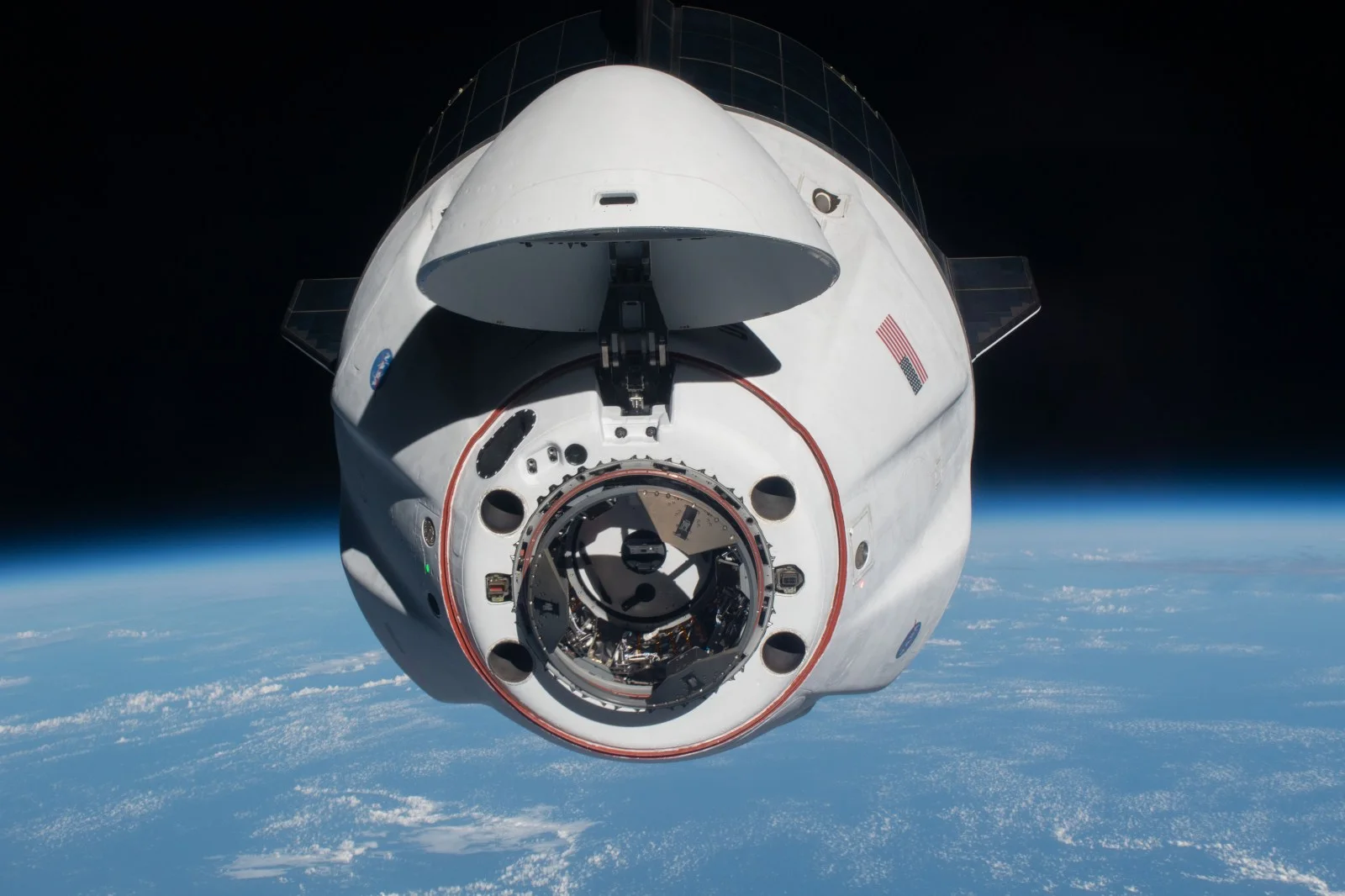
In September 2022, NASA and SpaceX agreed to study, without any NASA funding, whether a Dragon capsule could dock with Hubble and lift it to a steadier, higher orbit. SpaceX and the Polaris Program proposed the idea and offered to do the study for free. NASA said at the time that it was not planning to pay for or carry out a servicing mission. It put Hubble about 335 miles up and said a reboost could buy several more years of work.
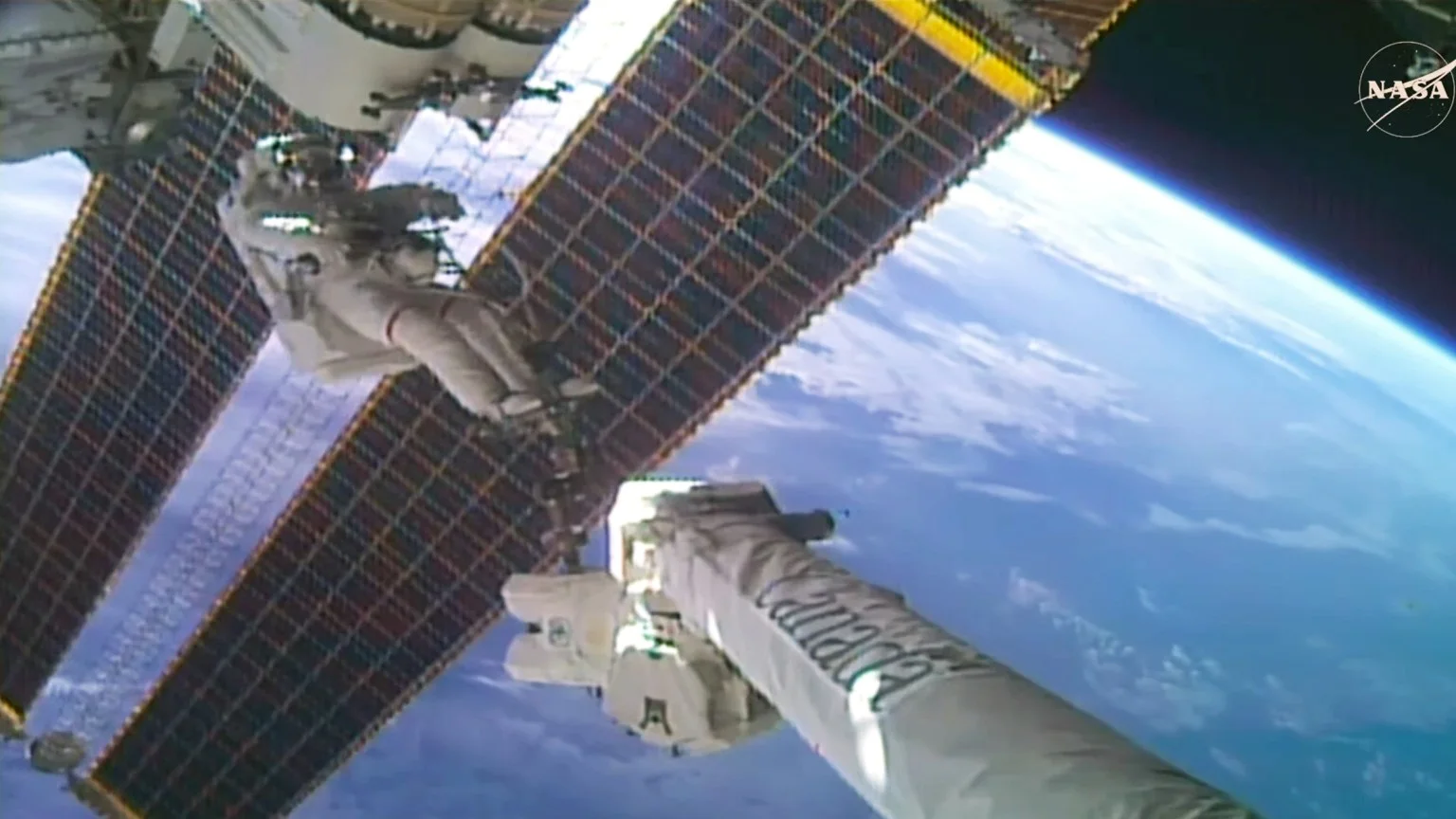
Astronauts on the space shuttle Atlantis upgraded Hubble in May 2009 on Servicing Mission 4, which NASA describes as the most ambitious and complicated of its Hubble servicing flights.
Hubble today
Hubble has been in orbit since 1990 and is still producing new science; this week NASA released new Hubble and Webb views of the Cat's Head Nebula. It is a joint project with the European Space Agency, run from NASA's Goddard Space Flight Center in Maryland, with science operations at the Space Telescope Science Institute in Baltimore.