Tuesday, Nov. 3, is Election Day, and every seat in the U.S. House is on the ballot along with Senate, governor and local races across much of the country. If you still have a mail ballot sitting on the kitchen counter, dropping it in a blue mailbox on Tuesday may be too late. Whether it counts depends on your state's deadline, and as the Postal Service spelled out in its mail rules last December, a ballot mailed Tuesday evening could be postmarked Wednesday.
Find your polling place and hours
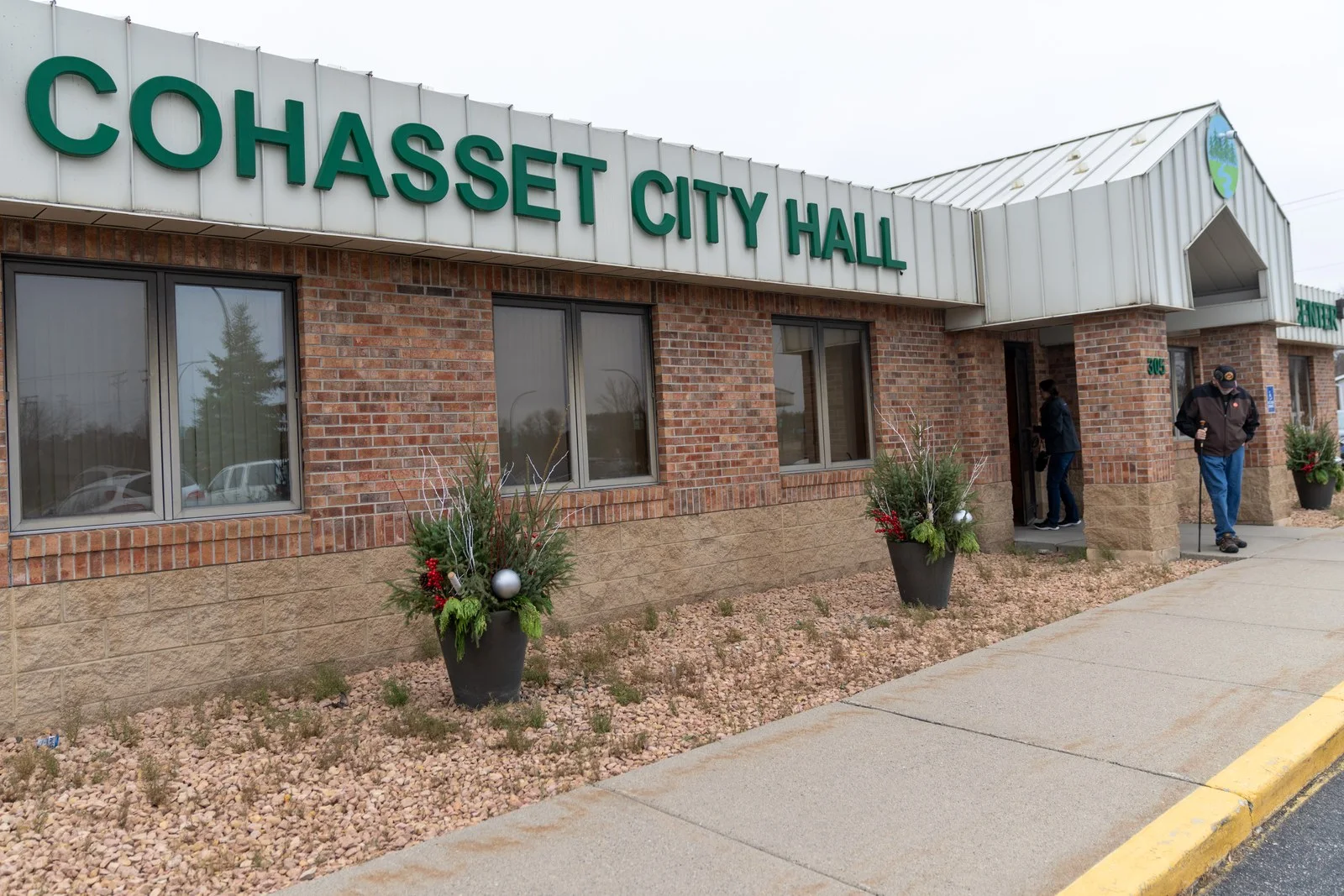
Each state runs its own elections, so polling hours, ID rules and same-day registration differ from one state to the next, and polling places can move between elections. The Election Assistance Commission's state directory links to every state and territory's official election site, where you can look up your assigned location and its hours.
Here are Election Day hours for 48 states and the District of Columbia, from each state's election office or state election law. Times are local, and where a state sets different hours for each time zone, both are shown.
| State | Polls open | Polls close |
|---|---|---|
| Alabama | 7 a.m. | 7 p.m. |
| Alaska | 7 a.m. | 8 p.m. |
| Arizona | 6 a.m. | 7 p.m. |
| Arkansas | 7:30 a.m. | 7:30 p.m. |
| California | 7 a.m. | 8 p.m. |
| Colorado | 7 a.m. | 7 p.m.; mail ballots must arrive by then |
| Connecticut | 6 a.m. | 8 p.m. |
| Delaware | 7 a.m. | 8 p.m. |
| District of Columbia | 7 a.m., any vote center | 8 p.m. |
| Florida | 7 a.m. | 7 p.m. |
| Georgia | 7 a.m. | 7 p.m. |
| Hawaii | 7 a.m., voter service centers | 7 p.m.; mail ballots must arrive by then |
| Idaho | 8 a.m. (7 a.m. in some counties) | 8 p.m. |
| Illinois | 6 a.m. | 7 p.m. |
| Indiana | 6 a.m. | 6 p.m. |
| Iowa | 7 a.m. | 8 p.m. |
| Kansas | 7 a.m. | 7 p.m. |
| Kentucky | 6 a.m. | 6 p.m. |
| Louisiana | 6 a.m. | 8 p.m. |
| Maine | 6 to 8 a.m., set by town | 8 p.m. |
| Maryland | 7 a.m. | 8 p.m. |
| Massachusetts | 7 a.m. | 8 p.m. |
| Michigan | 7 a.m. | 8 p.m. |
| Minnesota | 7 a.m. | 8 p.m. |
| Missouri | 6 a.m. | 7 p.m. |
| Montana | 7 a.m. | 8 p.m. |
| Nebraska | 8 a.m. Central, 7 a.m. Mountain | 8 p.m. Central, 7 p.m. Mountain |
| Nevada | 7 a.m. | 7 p.m. |
| New Hampshire | Set locally, no later than 11 a.m. | Set locally, no earlier than 7 p.m. |
| New Jersey | 6 a.m. | 8 p.m. |
| New Mexico | 7 a.m. | 7 p.m. |
| New York | 6 a.m. | 9 p.m. |
| North Carolina | 6:30 a.m. | 7:30 p.m. |
| North Dakota | 7 to 9 a.m., set locally | 7 to 9 p.m., set locally |
| Ohio | 6:30 a.m. | 7:30 p.m. |
| Oklahoma | 7 a.m. | 7 p.m. |
| Oregon | Votes by mail | Drop sites open until at least 8 p.m. |
| Pennsylvania | 7 a.m. | 8 p.m. |
| Rhode Island | 7 a.m. (New Shoreham 9 a.m.) | 8 p.m. |
| South Carolina | 7 a.m. | 7 p.m. |
| South Dakota | 7 a.m. | 7 p.m. |
| Tennessee | Set by county | 8 p.m. Eastern, 7 p.m. Central |
| Texas | 7 a.m. | 7 p.m. |
| Utah | 7 a.m. | 8 p.m.; mail ballots must arrive by then |
| Vermont | 5 to 10 a.m., set by town | 7 p.m. |
| Virginia | 6 a.m. | 7 p.m. |
| Washington | Votes by mail | Drop boxes and voting centers until 8 p.m. |
| West Virginia | 6:30 a.m. | 7:30 p.m. |
| Wyoming | 7 a.m. | 7 p.m. |
Get in line before closing time. Most state election offices or laws say anyone already in line when the polls close can still vote, though Alabama's guide warns that anyone who tries to join the line after 7 p.m. will be turned away. In North Carolina, that line has to be at your assigned polling place.
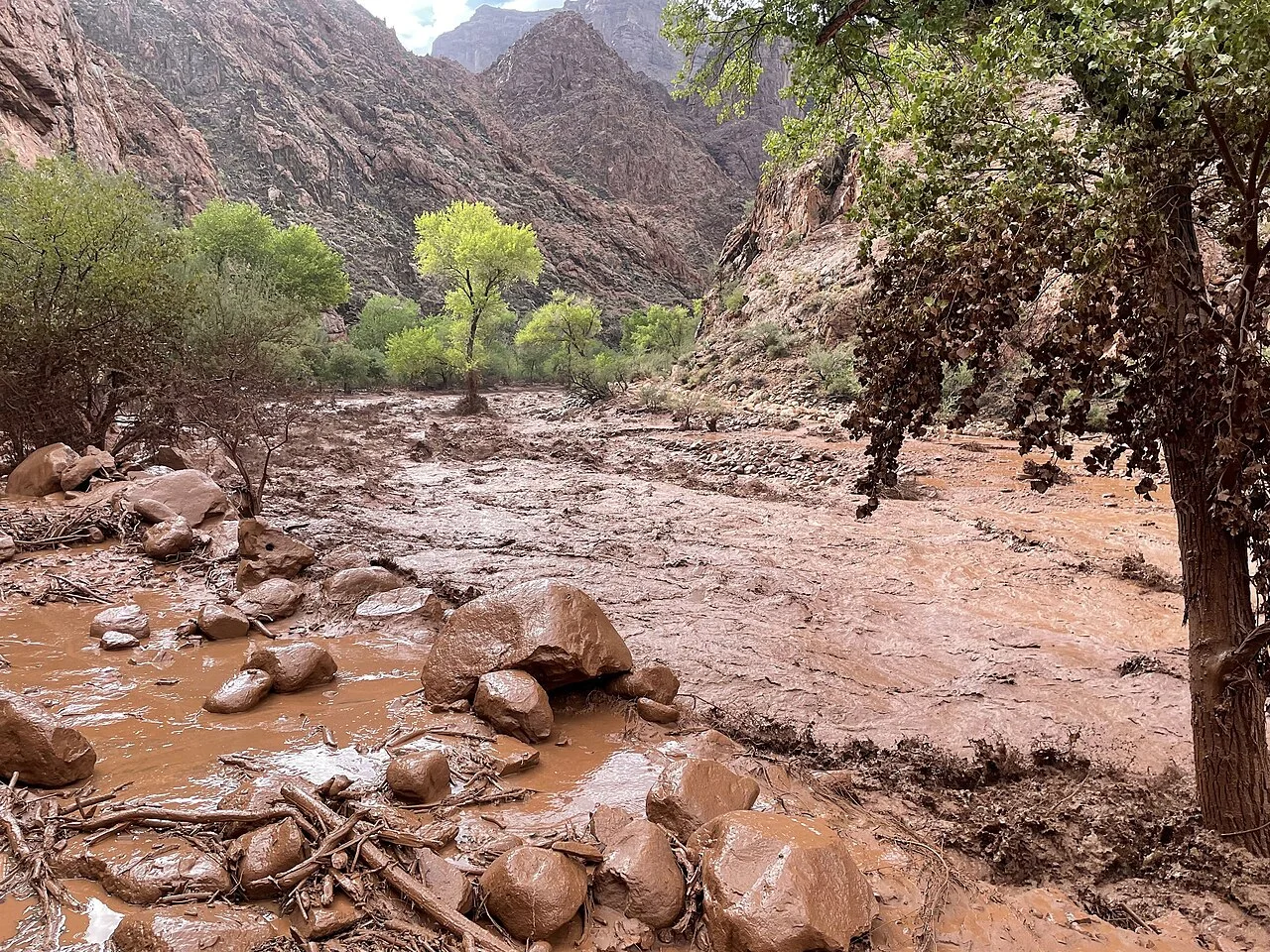
Five states vote mainly by mail. Colorado, Hawaii and Utah count only ballots that arrive by closing time, so anyone still holding one should take it to a drop box or voting center today. Oregon and Washington accept a ballot postmarked by Election Day. Voters in flooded parts of Utah's San Juan County, including Bluff and Mexican Hat, can ask to return their ballot electronically under an emergency order by calling 385-587-3223, extension 4, by 5 p.m.
Towns set their own opening times in Maine and Vermont, and New Hampshire towns only have to open by 11 a.m. Tennessee leaves opening times to counties, and North Dakota precinct hours come from city or county resolutions. Kansas counties can open as early as 6 a.m. and stay open until 8 p.m., with the state's Mountain time counties defaulting to 6 a.m. to 6 p.m.
For Mississippi and Wisconsin, ask your local election clerk.
Once you get there, look for the posted notice. Federal law requires each polling place to display voting information on Election Day, including a sample ballot, the hours, instructions and a summary of voters' rights.
Still holding a mail ballot?
In Watson v. Republican National Committee, decided 5 to 4 on June 29, the Supreme Court ruled that federal Election Day law does not stop Mississippi from counting absentee ballots postmarked by Election Day and received up to five business days later. Justice Amy Coney Barrett wrote for the majority, which counted roughly 30 states that accept at least some mail ballots arriving late.
The opinion puts the number of states that count late ballots from military and overseas voters at about 30 as well, so in many of those states the extra days cover only military and overseas ballots. Everywhere else, your ballot has to arrive by Election Day. Your state election site lists the exact rule.
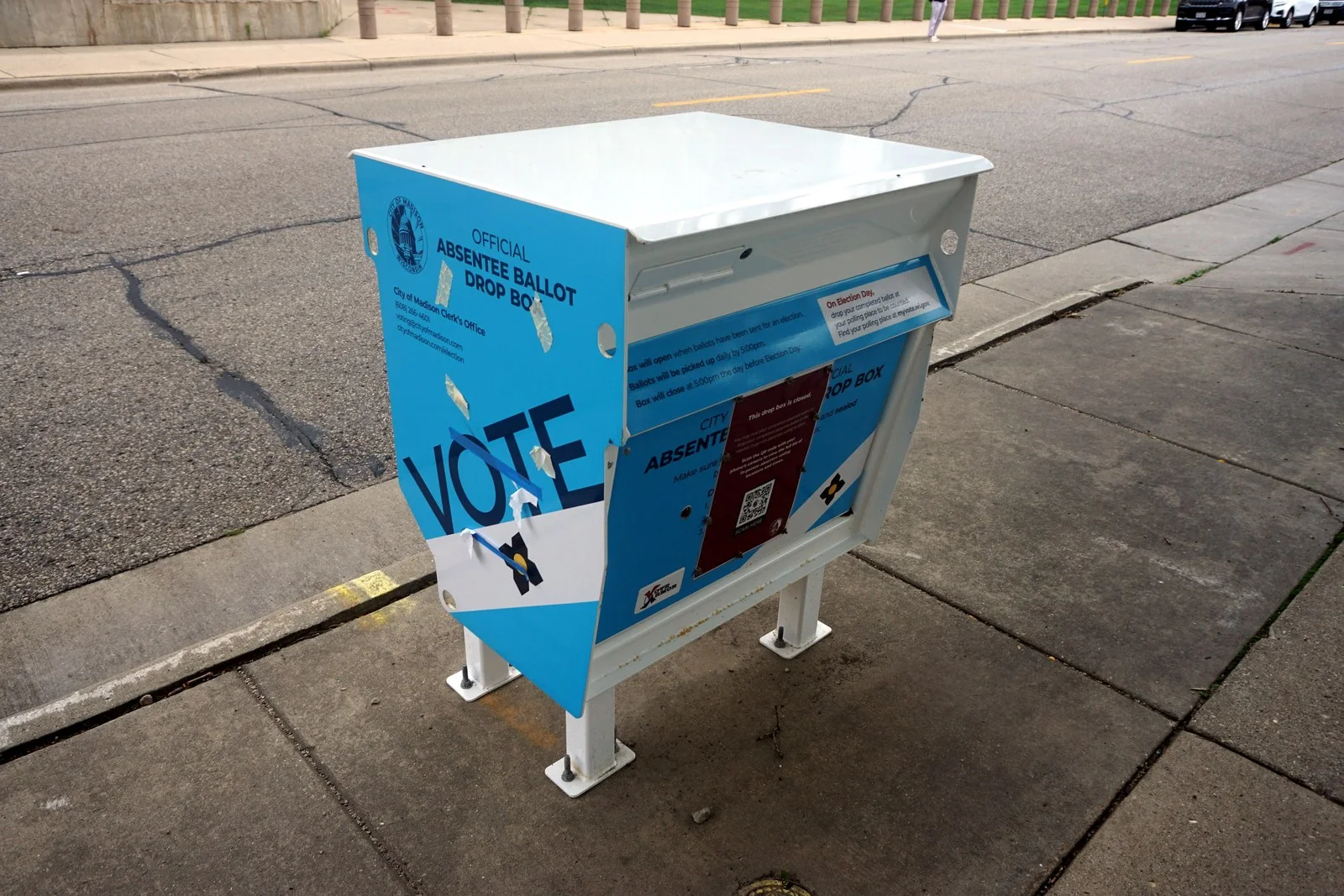
The Postal Service's own Election Mail guidance asks voters to mail a completed ballot before Election Day and at least a week ahead of the state's deadline. With the election two days away, that window has closed for most people. Where your state allows it, take the ballot in person to a county drop box or your local election office.
Why the postmark date can surprise you
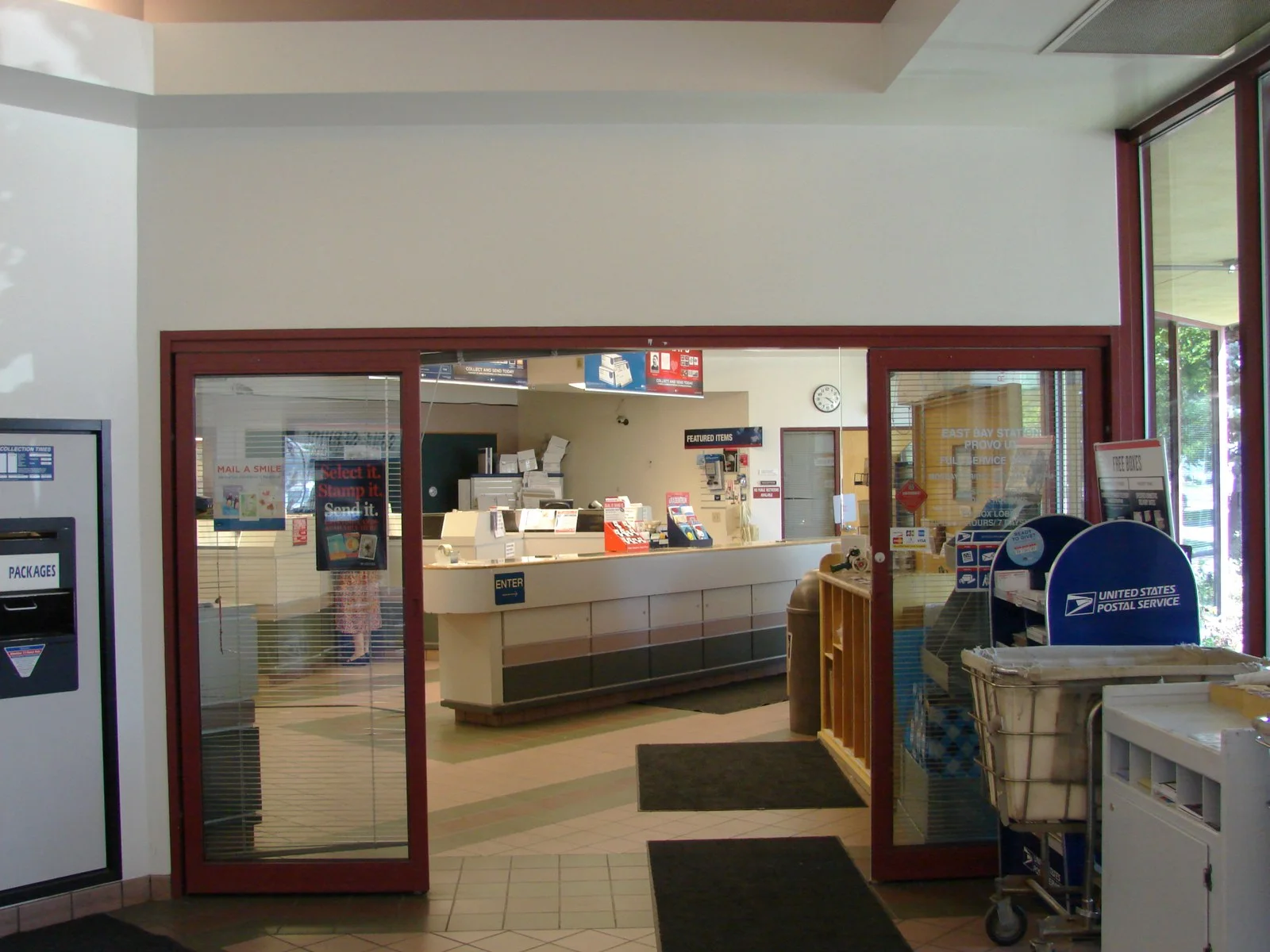
If your state does accept late-arriving ballots, the postmark generally has to show Election Day or earlier. A Postal Service mail manual section on postmarks, in force since Dec. 24, 2025, says a machine postmark carries the date the processing plant first ran the envelope through its equipment, which may come a day after you dropped it in a collection box. That is how a ballot mailed Tuesday evening can end up stamped Wednesday. You can avoid it for free by taking the envelope to the retail counter at any Post Office and asking for a manual postmark, which shows the date the counter accepted it. The Postal Service says the manual section describes existing practice and does not change how mail is handled.
If your name is not on the list
Poll workers may not find you in the poll book, or may question whether you are eligible. Under the Help America Vote Act, anyone who says they are registered in that jurisdiction and eligible to vote for federal office must be allowed to cast a provisional ballot after signing a written affirmation. The poll worker has to tell you that option exists.
Election officials then check your eligibility. If you qualify under state law, the ballot counts. The same law requires them to give you written information on how to find out, through a free phone line or website, whether your vote was counted and, if it was not, why. Provisional ballots are kept apart from the rest until that check is done, so many are still under review after election night.
Your rights at the polls
Stay in line. The Election Assistance Commission says anyone still waiting when the polls close is generally entitled to cast a ballot. You can also ask for a new ballot if you make a mistake, get language help from a poll worker, and vote without intimidation or harassment. A voter with a disability is entitled to cast a private ballot on their own at an accessible polling place, and may ask trained poll workers for help with the accessible machine or bring someone along to help.
Where to report a problem
Start with the poll workers on site, then your county or city election office, whose number is on the state election site. The Justice Department's Civil Rights Division Voting Section, which enforces federal voting laws, takes complaints at (800) 253-3931 or [email protected].
For a threat or an emergency at a polling place, call 911.
Don't expect final results Tuesday night
Election night results are unofficial. Officials keep counting eligible mail, provisional, military and overseas ballots after Tuesday, and in states with a grace period the count cannot finish until that window closes. The Election Assistance Commission warns that early totals can change as those ballots come in, before each state certifies its results.