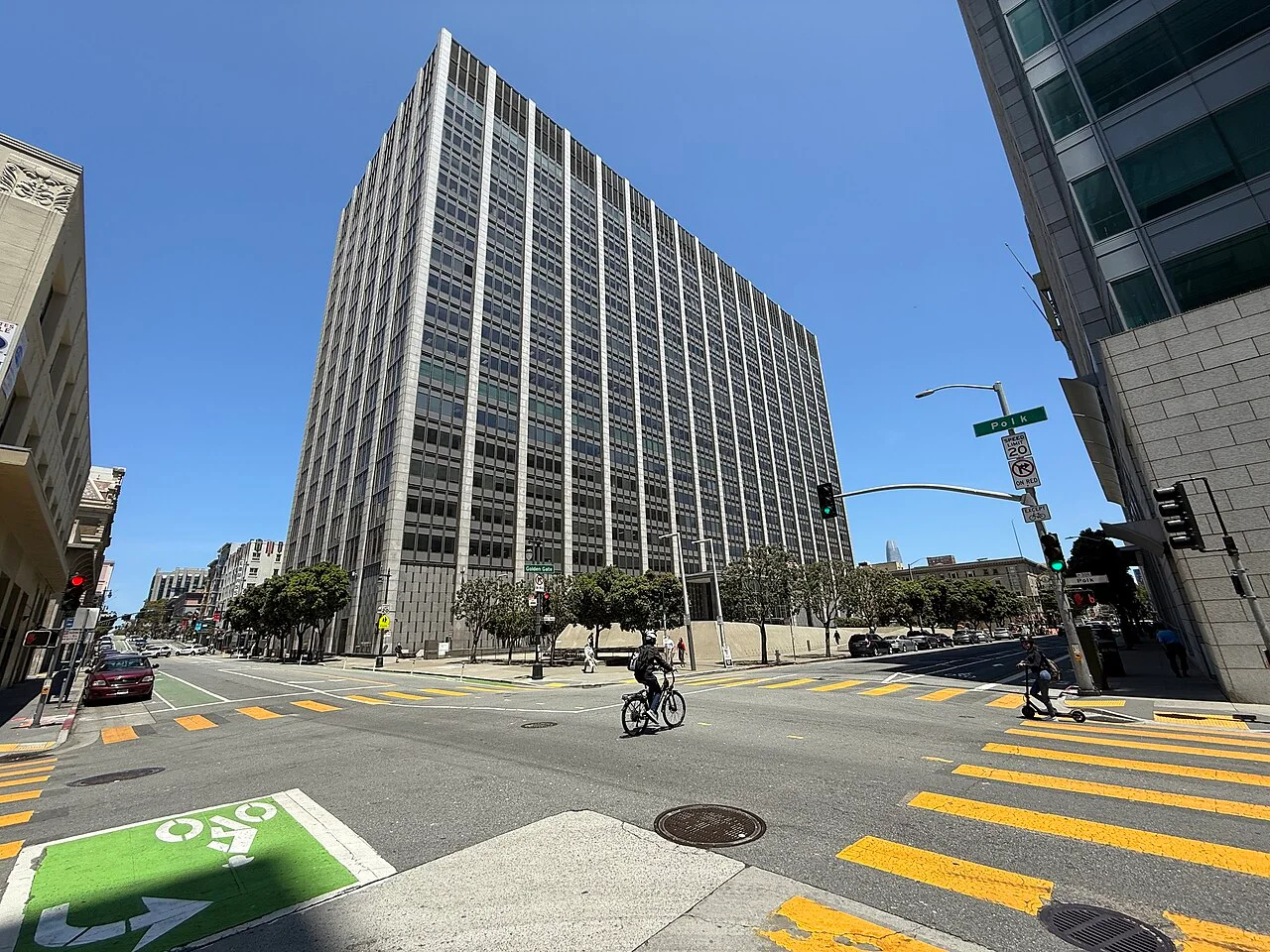
A federal judge in San Francisco has ordered the Justice Department and Department of Homeland Security to stop threatening election workers with prosecution over ballots cast by voters the administration alleges are ineligible.
The October 30 temporary restraining order, issued by U.S. District Judge Trina L. Thompson, addresses state and local election officials without limiting its protections to California. It arrives days before the November 3 midterm election.
What the order blocks
The agencies cannot demand that officials remove specific registered voters, refuse to issue their ballots, or segregate or decline to count their ballots solely because federal officials allege those voters are ineligible. They also cannot threaten workers with prosecution for refusing those demands or for counting ballots in accordance with state and federal election law.
Thompson directed the agencies to notify jurisdictions that received the disputed letters that the demands and prosecution threats have been blocked. DOJ must also disclose to the court pending search-warrant applications, grand-jury subpoenas and other demands for election materials or testimony connected to its lists of allegedly ineligible voters.
The plaintiffs include the Service Employees International Union, AFSCME, the League of United Latin American Citizens and the NAACP. Thompson found they were likely to succeed on their claims that the federal actions violated voting protections and exceeded federal authority. Those are preliminary findings, not a final judgment.
DOJ's response and the next dates
A DOJ spokesperson told CBS News on Saturday that the department objected to the judge acting before hearing its response and was reviewing the ruling and evaluating its options.
The order requires the government's response to the request for a preliminary injunction by noon November 2. A hearing is scheduled for November 13 at 11 a.m. in San Francisco. The temporary order sets its expiration at 5 p.m. November 16. All court times are Pacific.
The ruling governs federal demands and threats to election workers. It does not decide the eligibility of individual voters identified by the administration.
A separate California ballot case concerns DOJ's effort to have about 20,000 ballots set aside. CBS reported that an appeals court rejected that request Friday. That dispute and Thompson's order are separate proceedings.