California Gov. Gavin Newsom said Thursday he will commute every death sentence in the state to life in prison without the possibility of parole, a move that would cover all 548 people now on California's death row. In an open letter to Californians, Newsom wrote that he had decided to use his constitutional clemency power because "state-sanctioned killing is incompatible with California's values."
The change is not in effect yet. The governor's clemency page says the commutations will take effect only after the required legal steps are finished, and many of the cases first need review by the California Supreme Court.
What the commutations do and don't do

Every person on the list gets the same sentence, life without parole. According to a fact sheet from the governor's office, no one is released, no one becomes eligible for parole, and the convictions and restitution orders stay in place. The commutations are not pardons or findings of innocence. People covered by this action are also excluded from the Board of Parole Hearings' new commutation and resentencing rules.
Newsom wrote that he weighed treating some crimes differently and decided against it. Separating the "worst of the worst" from other cases, he wrote, would create "two classes of murder victims."
The action does not repeal the death penalty. Prosecutors can still seek it, juries can still impose it and courts can still uphold it. Newsom acknowledged in the letter that California voters have chosen to keep capital punishment on the books and that repeal is up to the Legislature and voters.
Why the state Supreme Court is involved
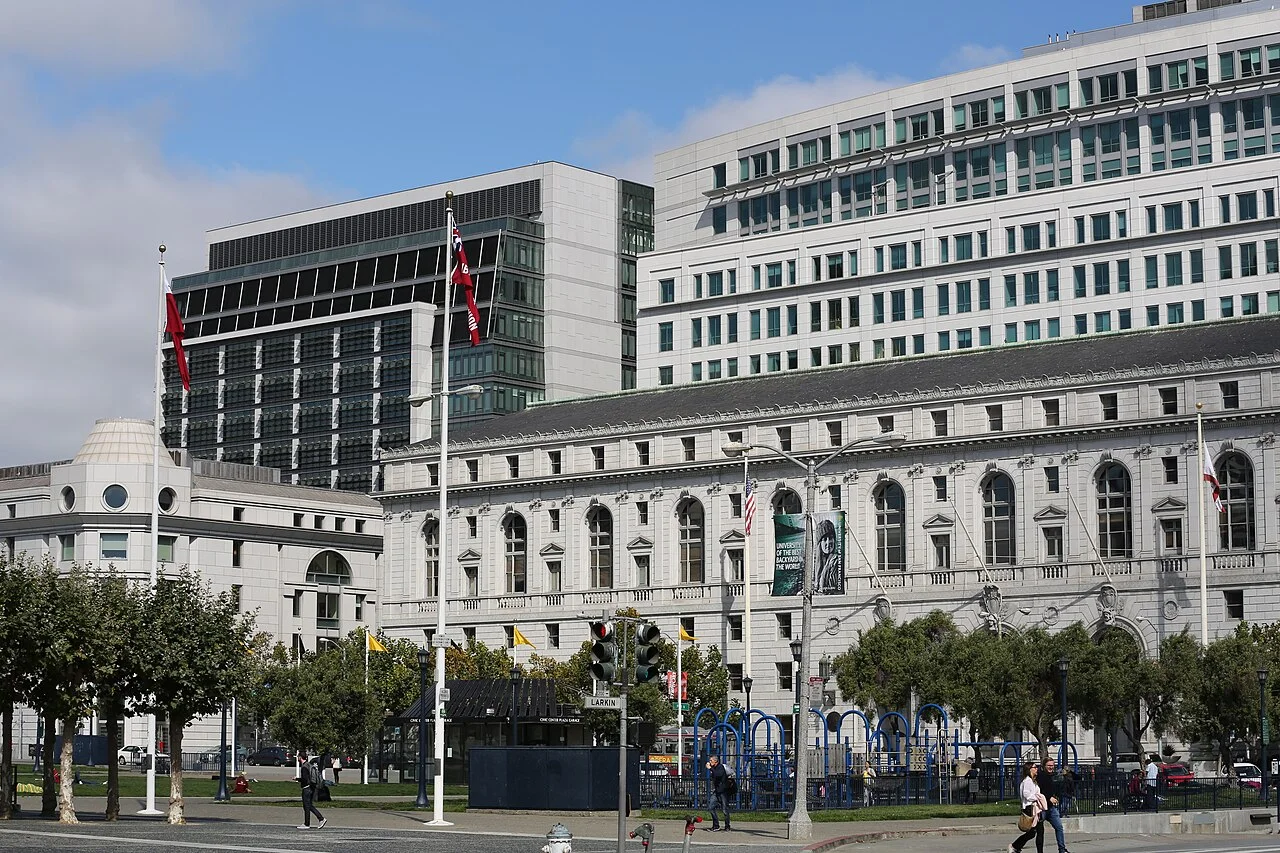
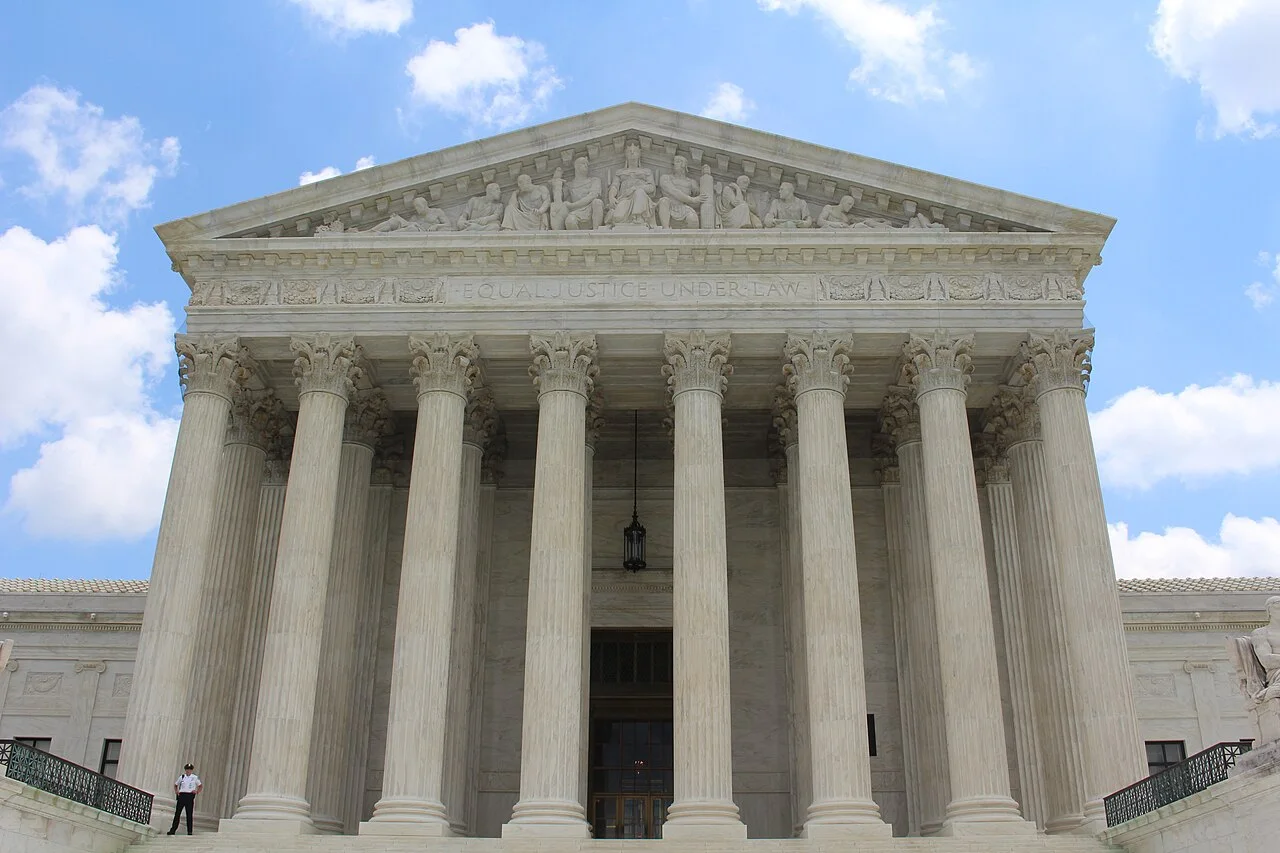
The California Constitution requires the state Supreme Court to review clemency for anyone twice convicted of a felony. Newsom has sent the matter to the court along with a list of the people that rule applies to. In his letter he acknowledged that the justices are being asked to take part in "a weighty decision they did not choose to take up and with which they may personally disagree." The governor's office has not given a date for when the court will act.
Where California's death penalty stands
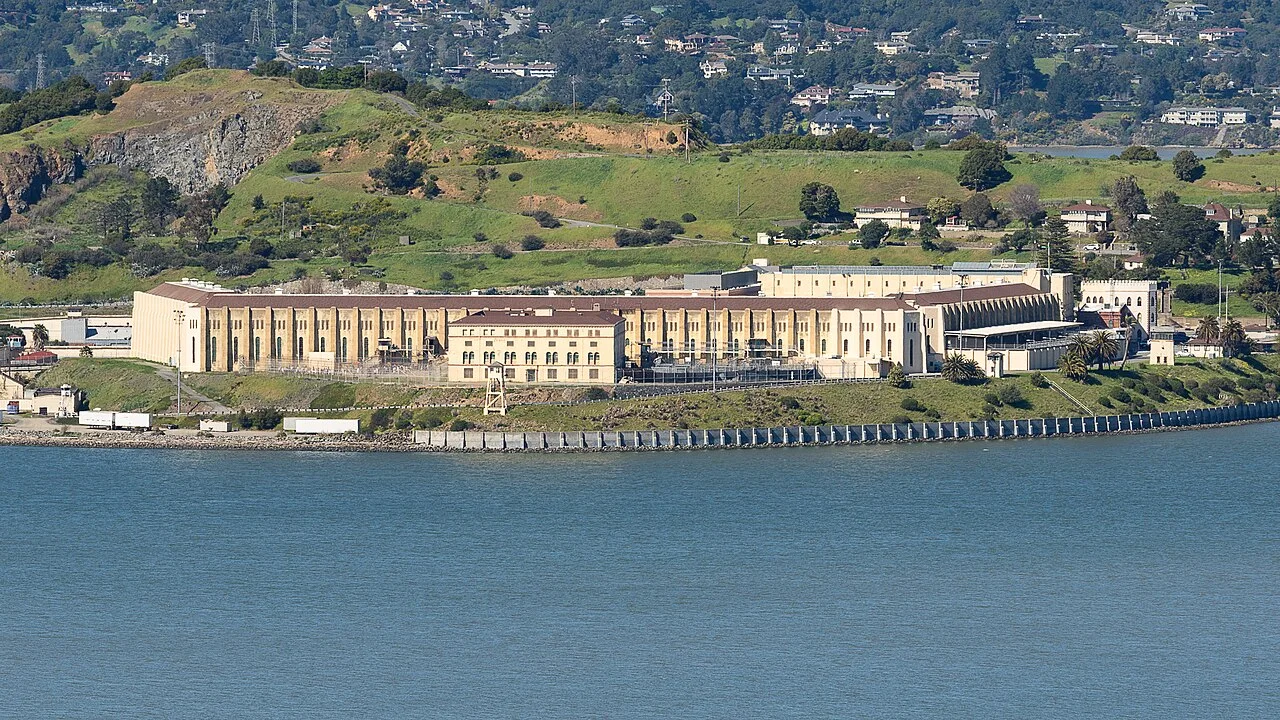
California has not executed anyone since Jan. 17, 2006. Newsom signed a moratorium on executions in March 2019, withdrew the state's lethal injection protocol and closed the execution chamber at San Quentin. The death row housing there has since been converted into what the state calls honor dorms, and condemned prisoners have been moved into the general prison system.
The moratorium stopped executions but left every sentence in place, and Newsom's letter calls the 548 people under sentence of death "the largest death row in the Western Hemisphere." The fact sheet counts 529 men and 19 women among them, and 45 people who would face execution right away without the moratorium. Hundreds of cases have stalled in the courts. The state counts 376 people waiting for a habeas lawyer to be appointed or funded, and 139 who have waited 20 years or more. Since Proposition 66 passed 10 years ago, only five people have been appointed one, after an average wait of 29 years.
## For victims' families
The state says registered victims will be notified when the commutations take effect. The California Department of Corrections and Rehabilitation's Office of Victim and Survivor Rights and Services can be reached at [email protected] or 1-877-256-6877, and victims who have not registered or have moved can sign up through CDCR's victim services page.