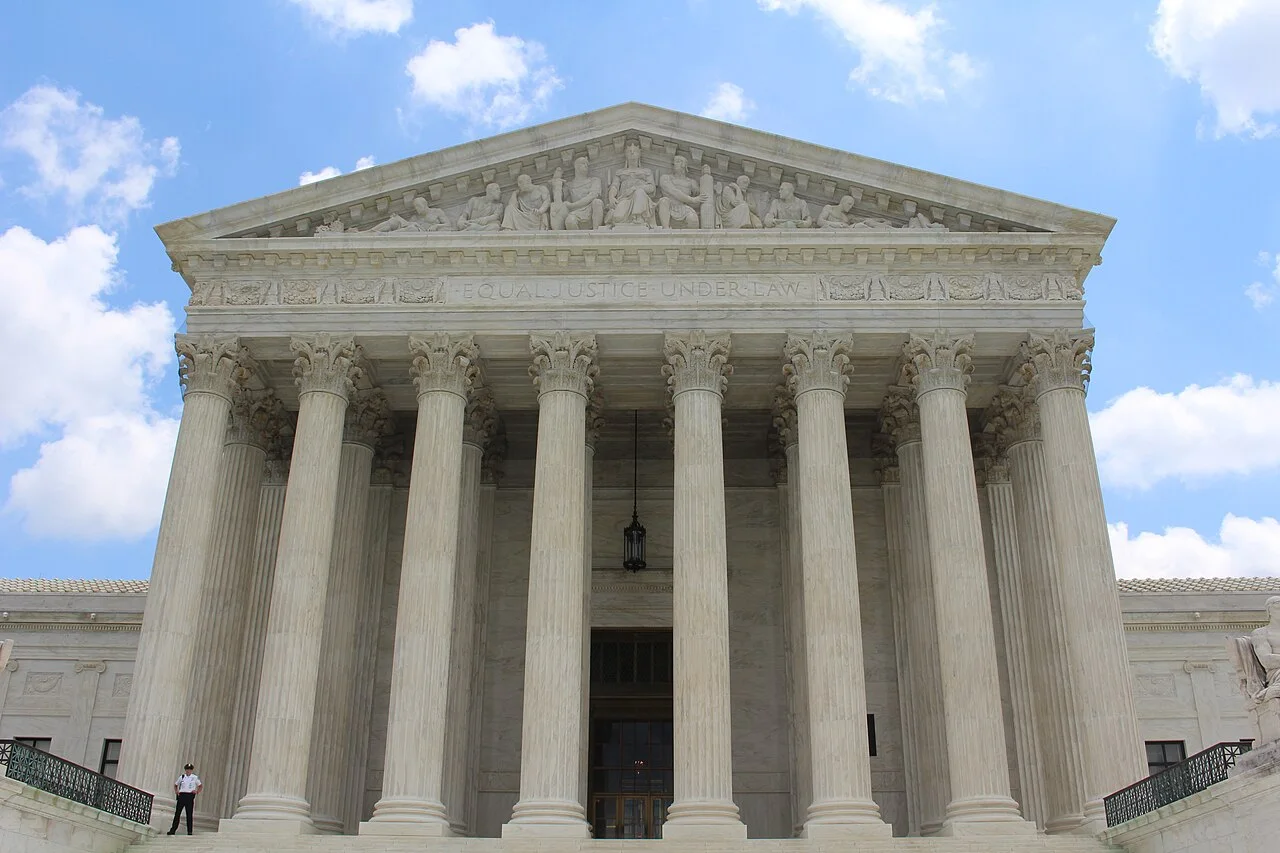
The Supreme Court heard argument Tuesday over whether Colorado can keep Catholic preschools out of its free universal preschool program because they ask families to support church teaching. The case, St. Mary Catholic Parish v. Roy, No. 25-581, pits the state's equal opportunity rules for publicly funded preschools against the parishes' claim that those rules punish their religious exercise. A federal appeals court sided with Colorado, and the parishes asked the justices to reverse it.
What the case is about
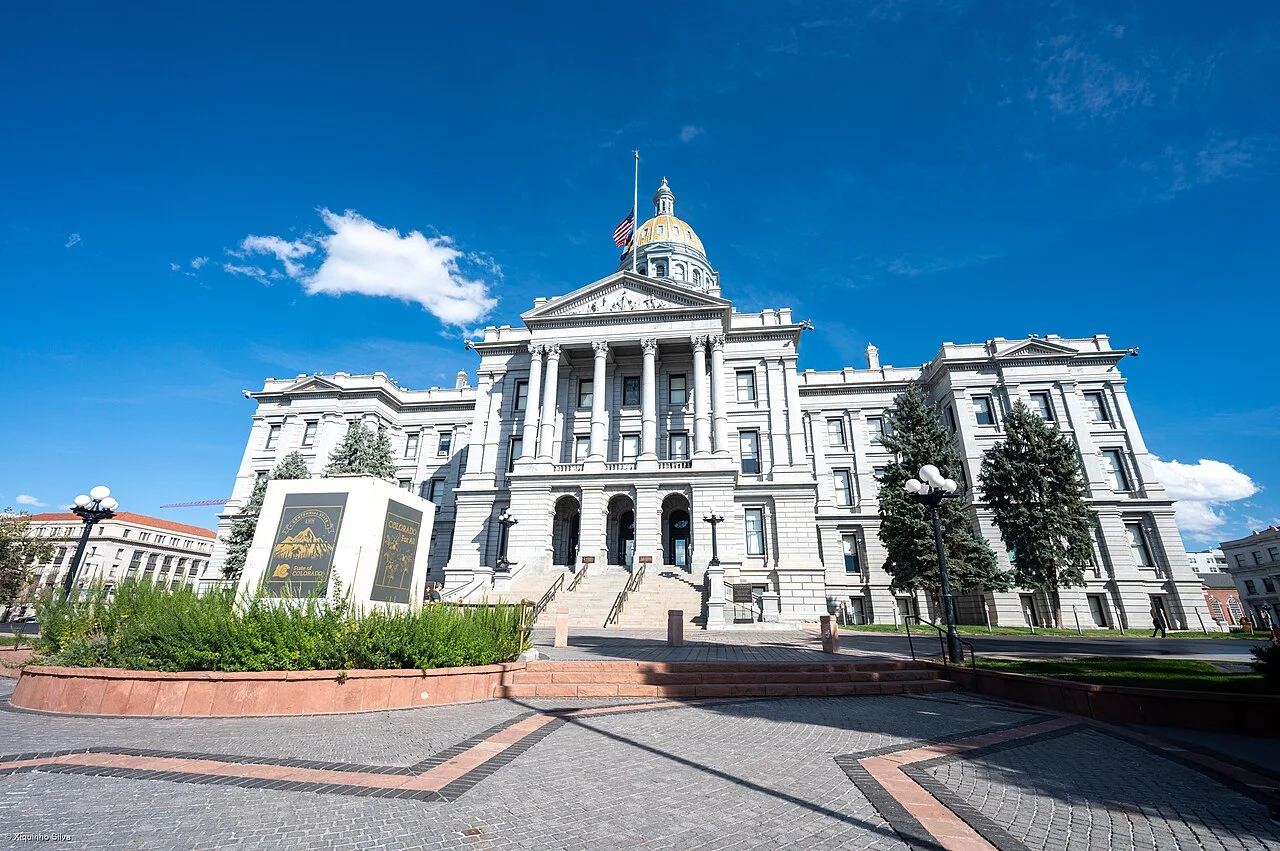
Colorado's Universal Preschool program, known as UPK, offers free preschool to every 4-year-old in the state at public and private schools that sign on, including religious ones. Participating schools have to meet the same conditions, which include equal opportunity requirements for the families they enroll.
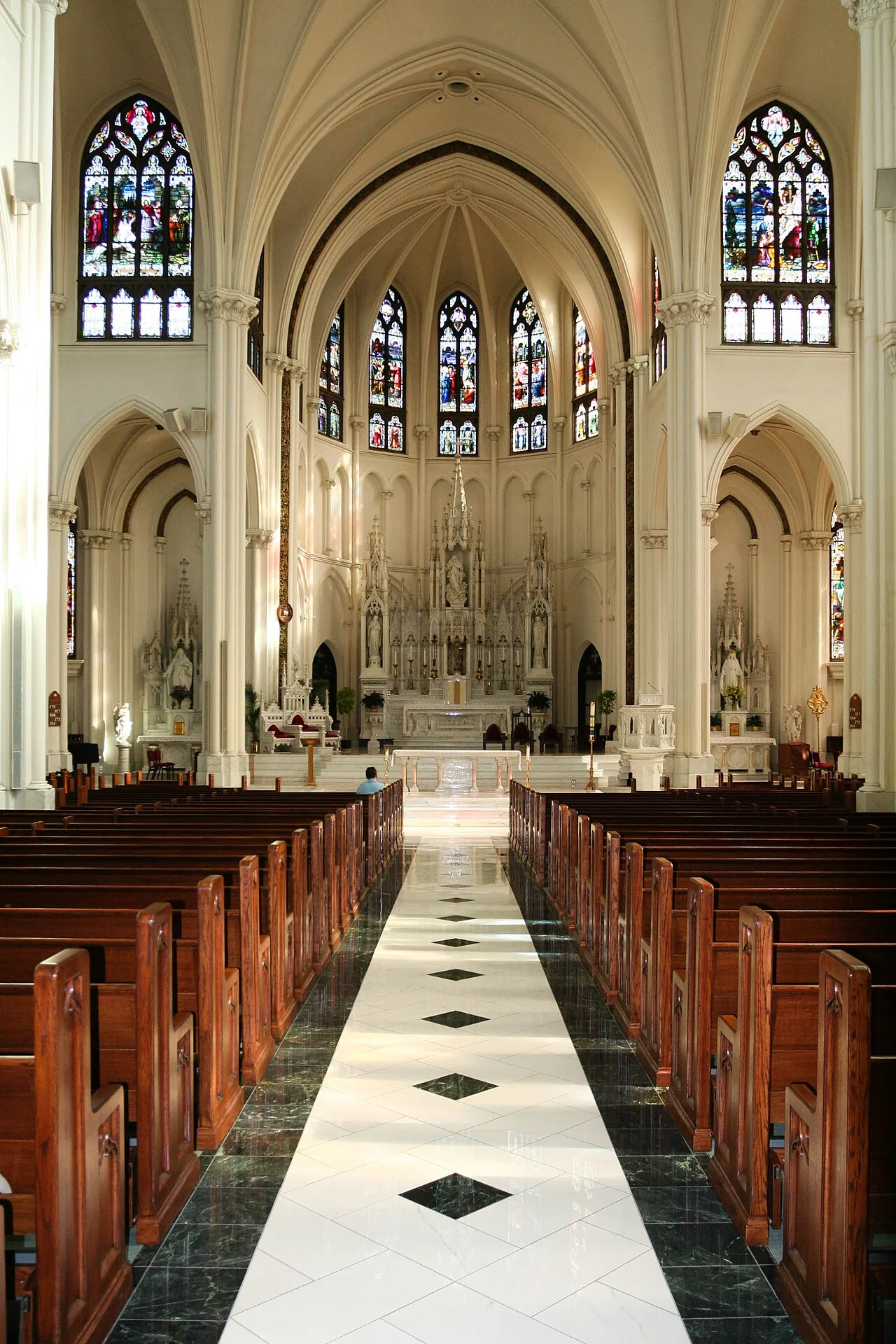
The Archdiocese of Denver's preschools ask every enrolling family "to be open to and supportive of the church's teachings," their lawyer, Nicholas Reaves, told the court. Because of that, he said, "the State has denied Colorado families the ability to use Universal Preschool funding at Catholic schools." Two justices, Brett Kavanaugh and Sonia Sotomayor, described the clash during the argument as one between the parishes' free exercise rights and the rights of same-sex and transgender parents.
What each side told the court
Reaves argued that the state's condition triggers strict scrutiny, the hardest test a law can face in court, under the line of public benefits cases the court last applied in Carson v. Makin in 2022. He said the 10th Circuit was wrong to limit those cases to laws that exclude religion explicitly, and that a program which "allows over a thousand schools to turn families away for a variety of different reasons" cannot be treated as a generally applicable law.
The federal government took the parishes' side. Sarah Harris, the principal deputy solicitor general, offered the court "two main paths to reversal" and said that under either one, "Colorado can't satisfy strict scrutiny."
Helen Norton, Colorado's deputy solicitor general, began her argument by saying, "Colorado welcomes religious preschools to UPK. The only thing Colorado asks is that they comply with the same conditions that every publicly funded preschool must meet, religious and secular alike." She said faith-based preschools in the program remain "free to teach their religious beliefs, including their beliefs about sex or gender or marriage," and that "families have no right to change a school's curriculum."
What the justices asked
Kavanaugh asked Colorado why it had not looked for what he called "the win/win." He noted that the program has about 2,000 schools and only 34 Catholic ones, and said there are "plenty of opportunities to respect the rights of the religious believers and respect the ability of LGBT parents to find among the 2,000 schools appropriate fit for their children."
Justice Amy Coney Barrett asked Norton whether she agreed that Colorado could not exclude Catholic, evangelical or Orthodox Jewish schools from the program. "Absolutely. They are welcome," Norton said. Barrett then asked "what the difference is between that and then choosing to impose a condition that you know that those schools will be unable to agree to." Justice Samuel Alito asked Norton whether she disagreed that the Constitution "generally does not allow a government entity to do indirectly what it is prohibited from doing directly."
Justice Elena Kagan told Reaves that Carson and the two school cases before it "all three of which had explicit exclusions for either religious institutions or religious practice," and said it "would be a bit far-fetched to say that the government is doing this surreptitiously to get at religious schools." Sotomayor asked Harris whether the government's logic would also require accommodating a religious group that wanted an exception to rules against discrimination by ethnicity or national origin. Justice Ketanji Brown Jackson asked Reaves why it counts as discrimination when the state applies one rule to everyone and religious schools decline to follow it.
What happens next
The argument ran from 10:07 a.m. Eastern and fills 134 pages in the official transcript. The court usually releases decisions in argued cases by the end of June or early July. Until it rules, the 10th Circuit's decision for Colorado stands.