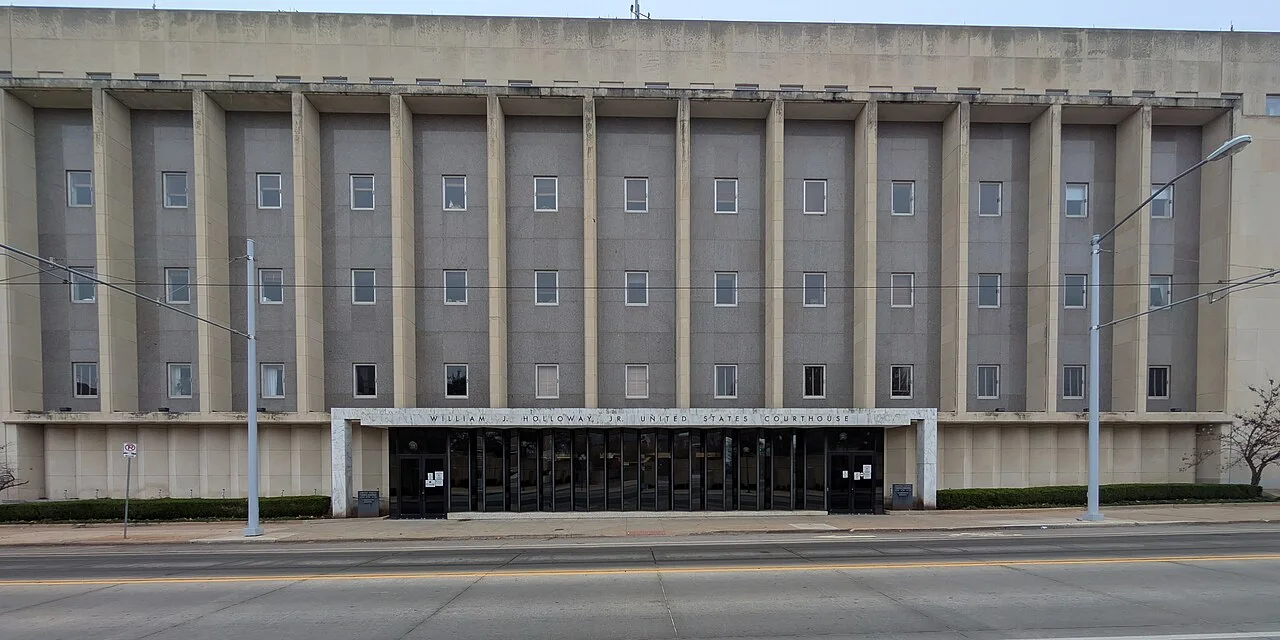
An Oklahoma City man has been charged with mailing hundreds of threatening letters, many of them holding white powder, to state election offices, members of Congress, the FBI and others. Robin Patrick Martin, 67, made his first appearance Tuesday before U.S. Magistrate Judge Shon Erwin in Oklahoma City, the Justice Department said. FBI agents arrested him early Monday, the day before the midterm election.
Martin is charged with conveying false or misleading information and hoaxes and with mailing threatening communications. A complaint is an allegation, and Martin is presumed innocent unless proven guilty in court. The release does not list the maximum penalties he faces.
Tests later found the powder was not hazardous.
What prosecutors say happened

The FBI and the Postal Inspection Service had been investigating powder letters sent to state election officials since 2024, the department said. On Oct. 13 of this year, the Oklahoma State Election Board told the FBI it had received a threatening letter with white powder, and investigators linked it to hundreds of others sent around the country to state election boards and members of Congress, and also to election pollsters and news organizations.
FBI Director Kash Patel said the letters reached "well over 100 locations," including several secretary of state and election offices, and that they were sent before both the 2024 and 2026 elections. Chief Postal Inspector Gary Barksdale said inspectors found related mailings and recovered most of them before they reached the people they were addressed to.
The U.S. Attorney's Office for the Western District of Oklahoma is prosecuting the case, with help from the National Security Division's Counterterrorism Section. Federal agents and postal inspectors worked the case with U.S. Capitol Police, Oklahoma City police and the Texas Department of Public Safety, including the Texas Rangers.
If a suspicious envelope arrives
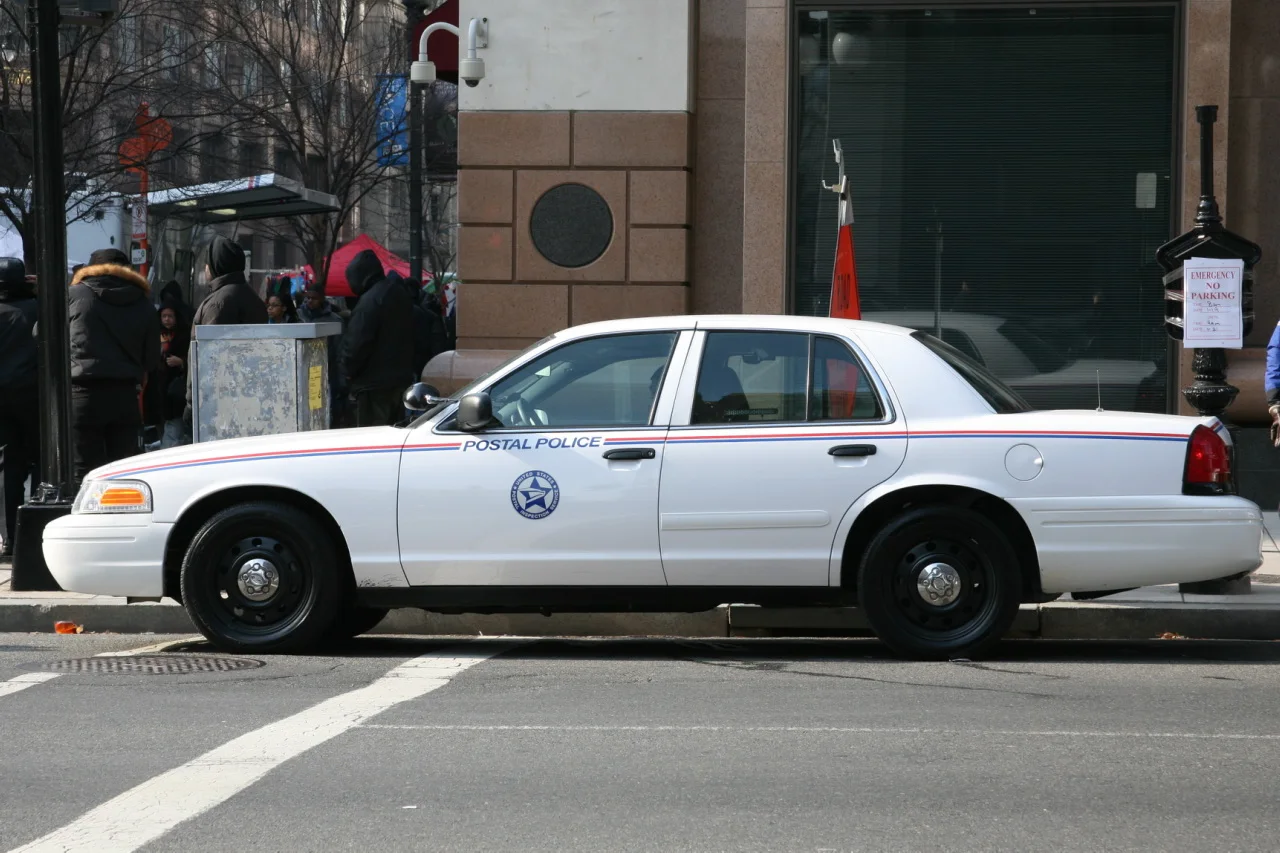
The Postal Inspection Service's suspicious mail guidance says the chance of anyone receiving a harmful biological or chemical agent is "extremely remote." It lists common warning signs: no return address, excessive tape or postage, and misspelled or badly written words. Anyone who suspects a dangerous letter or package should isolate it and keep a safe distance from it. After washing your hands, call postal inspectors at 1-877-876-2455 and say "emergency." For a medical problem, call local authorities right away.