Americans felt somewhat better about the economy in early November, even as more than half of those surveyed said high prices had hurt their standard of living. The University of Michigan's preliminary consumer sentiment index rose to 51.0 from 48.0 in October, putting it back where it was a year earlier. The improvement came before the November 3 election and Thursday's stock market selloff.
The university's November 6 release shows improvement in how households rated their current situation and what they expected next. The index for current conditions rose to 51.0 from 46.7. The expectations index moved to 50.9 from 48.8. Both were roughly where they stood in November 2025. The headline index was still 10% below its February reading, according to survey director Joanne Hsu.
Why a better reading can coexist with high prices

About 57% of respondents brought up high prices on their own when describing how their standard of living had eroded. That was the largest share since May and up from 46% in February. The survey also found that respondents expected prices to rise 4.3% over the next year, down from 4.7% in October. Their long-run inflation expectation edged down from 3.5% to 3.4%. That longer-run reading was still above the full range the survey recorded in 2024, from 2.8% to 3.2%. Before the Iran conflict, the February reading for the next year was 3.4%, nearly a point below the new estimate.
The two answers cover different things. The first describes how households feel about the prices they already face. The second describes how fast they expect prices to rise from here. Someone can expect smaller price increases and still find groceries or other essentials hard to afford. The 4.3% figure comes from survey responses. Actual consumer-price inflation is measured separately, using changes in the prices of goods and services over time.
The November move was also uneven. Hsu said modest improvements in expected personal finances and business conditions were concentrated primarily among political independents. Sentiment improved for consumers with lower and middle levels of wealth, while it fell 5% among people with the largest stock portfolios. The survey does not imply that each household in those groups felt the same change.
What the survey can tell us about the market

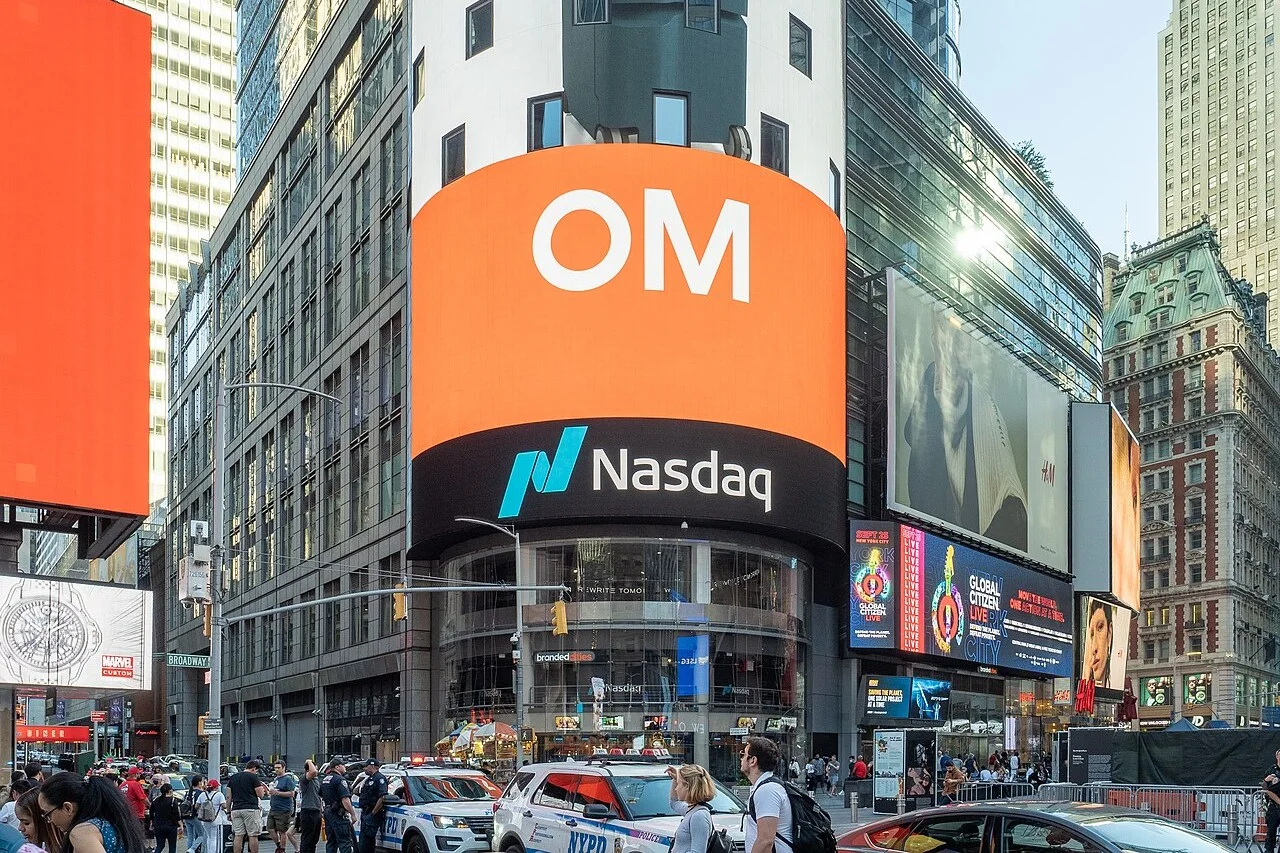
Some respondents voiced concern about a possible AI bubble. Hsu said cost-of-living concerns were much more widespread. The distinction is especially important given the timing of the interviews. The university spoke to respondents from October 20 through November 2, ending before voters went to the polls on November 3 and before the November 5 selloff. The figures cannot tell us how households reacted to either event. Edit USA's separate coverage of the Nasdaq's rebound describes what happened in the market after those interviews ended.
The survey is also separate from other measures often called consumer confidence. Its questions cover how people view their finances, business conditions and buying conditions. Other surveys can ask different questions or collect responses on a different schedule, which helps explain why two releases can point in different directions without contradicting each other. The headline reading of 51.0 is an index value. Spending figures come from separate reports that measure what households actually bought.
The university plans to publish final November figures at 10 a.m. Eastern on November 20. Those results will provide a fuller picture of the month. In the preliminary report, the rise from 48.0 to 51.0 recovered ground lost earlier in the year without lifting sentiment above its level a year ago. The higher share of people citing a hit to their living standards shows why the headline gain has limited comfort for households watching their budgets.