Federal prosecutors in Manhattan say three men used AI to copy the voices and faces of real corporate executives and law firm attorneys, then talked company employees into wiring them about $129 million. The indictment, unsealed Thursday, charges Jacob Soall, 41, Sharon Hazan, 54, and Guy Sheetrit, 42, with seven counts each, including wire fraud, aggravated identity theft and money laundering. The charges are accusations, and all three are presumed innocent unless proven guilty.
None of the three is in the United States yet. Soall was arrested in Spain in June and Hazan there in August. Sheetrit was arrested in Britain in September. U.S. extradition requests for all three are pending.
How the scheme worked, according to prosecutors

Prosecutors say the group impersonated at least seven executives between 2024 and 2026. They picked employees senior enough to approve large wire transfers and told them a confidential deal, often a corporate acquisition, needed their help.
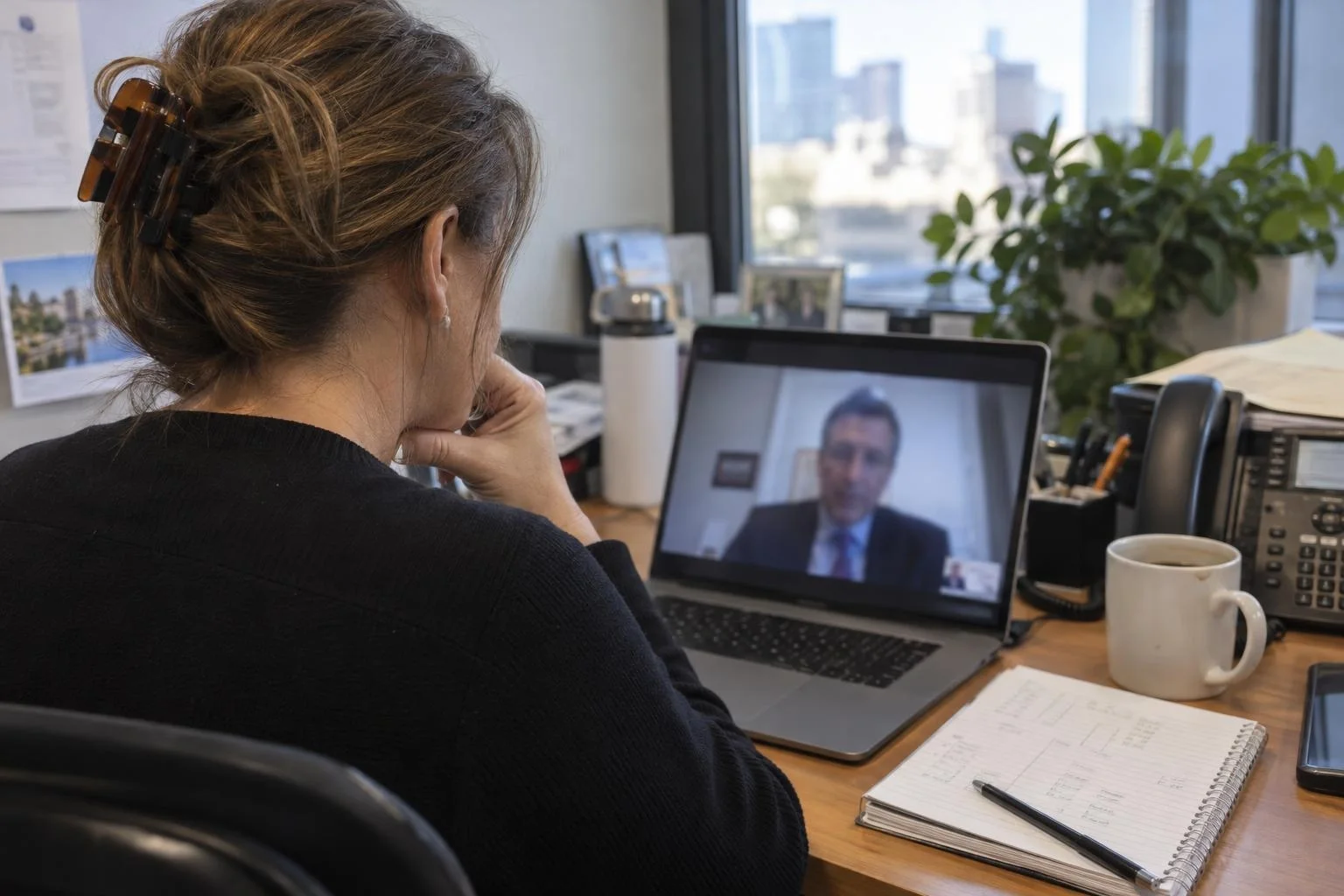
Next, the employee was handed off to what looked like an attorney at a major law firm, who was really another member of the group using AI to impersonate a real lawyer. That "attorney" told the employee to wire money for the deal to an account the group controlled, Courthouse News reported from the indictment.
The examples prosecutors cite:
| When | Victim, as described | Amount |
|---|---|---|
| March 2025 | A United Kingdom-based fintech company | More than $11.5 million |
| April 2025 | A Massachusetts-based mutual fund company | More than $4.6 million |
| June 2025 | A Florida-based pet food company | More than $5.2 million |
The companies are not named. Prosecutors say Soall used a handwritten script full of legal vocabulary to play the attorneys, while Hazan and Sheetrit laundered the money.
U.S. Attorney Jamie McDonald said the defendants "abused groundbreaking super intelligence technology to impersonate real people."
What the FBI tells people to check

The FBI has warned since at least December 2024 that criminals use generative AI to stage real-time video chats with fake company executives and to clone voices. To check a caller, the bureau says to hang up, look up the number of the bank or organization the caller claims to represent and call it directly. The bureau also suggests a secret word or phrase that family members can use to prove who they are. On a video call, look for distorted hands or irregular faces. Lag, odd shadows and a voice that doesn't quite match the speaker are warning signs too.
Anyone who has sent money in a scheme like this should report it to the FBI's Internet Crime Complaint Center at ic3.gov, with the payment details and a description of how the contact started.