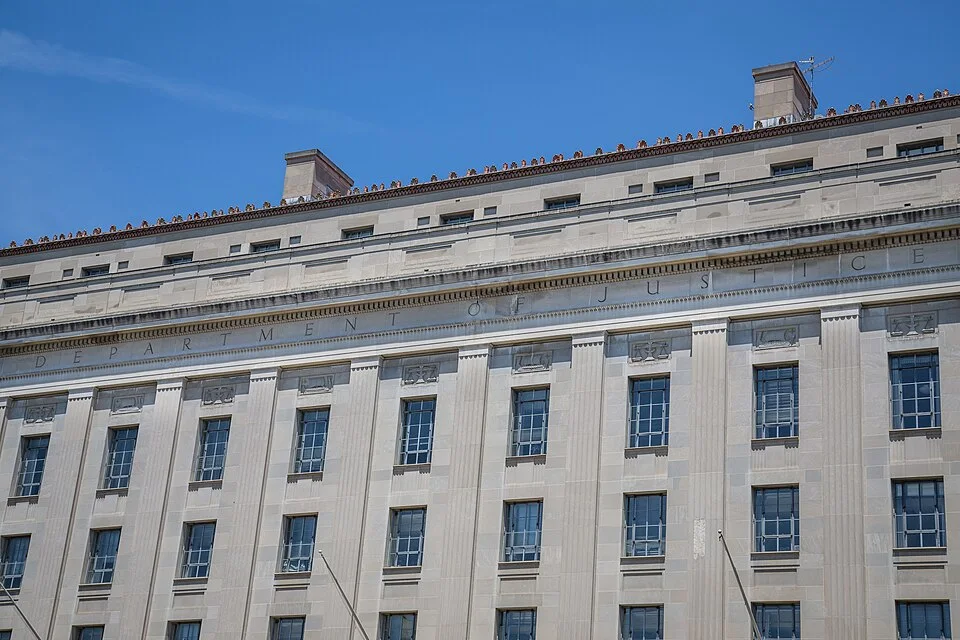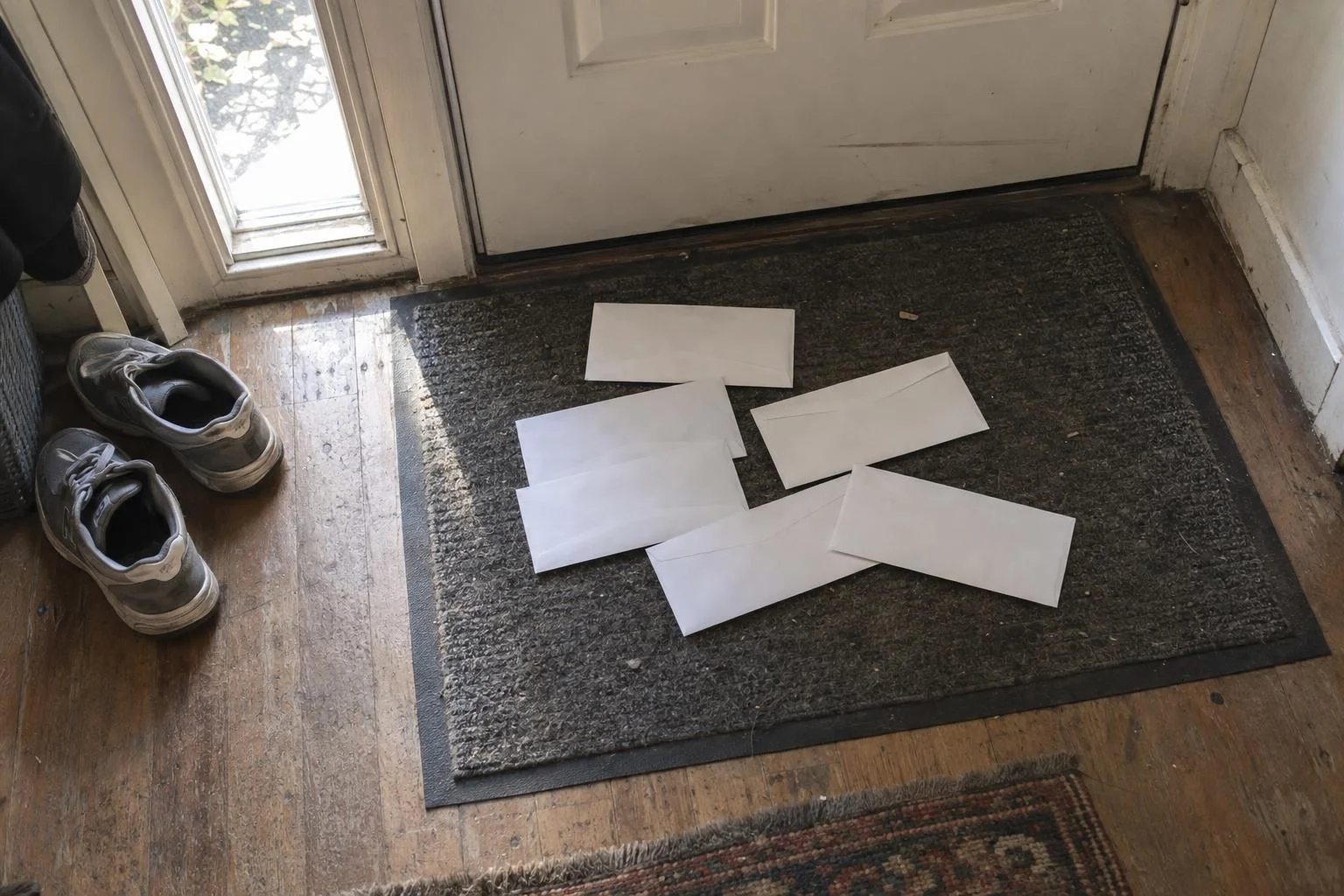
A letter arrives that reads like a psychic wrote it to you personally. It says money is coming your way, and that you need to send a payment to collect it. The Justice Department says that pitch pulled more than $4 million out of thousands of American households between 2016 and 2020, and the man accused of handling the money is now in a Miami courtroom.
Mael Chemla, 61, a U.S., French and Israeli national who previously lived in Aventura, Florida, was extradited from Germany and made his first appearance in federal court in Miami on Monday. An indictment unsealed the same day charges him with conspiracy, mail fraud and wire fraud. He faces up to 20 years in prison on all counts if convicted. An indictment is an allegation, and he is presumed innocent.
What the indictment describes
Prosecutors say Chemla and others mailed letters across the United States that read as personal notes from a psychic. Each letter told the recipient the psychic had learned of a financial windfall coming their way, and that a payment was needed to unlock it.
The money then moved through ordinary banking. According to the indictment, Chemla opened U.S. bank accounts in the names of the invented psychics, deposited victims' checks into them and wired the proceeds to European accounts controlled by a co-conspirator. The Justice Department says the scheme ran from September 2016 through November 2020 and collected more than $4 million from thousands of victims, many of them elderly or otherwise vulnerable.
The Postal Inspection Service is investigating.
Trial attorneys from the Criminal Division's White Collar and Corporate Enforcement Section are prosecuting, and the department's Office of International Affairs handled the case before the German extradition court, then worked with the U.S. Marshals on the transport once the court granted extradition.
How to spot the letter
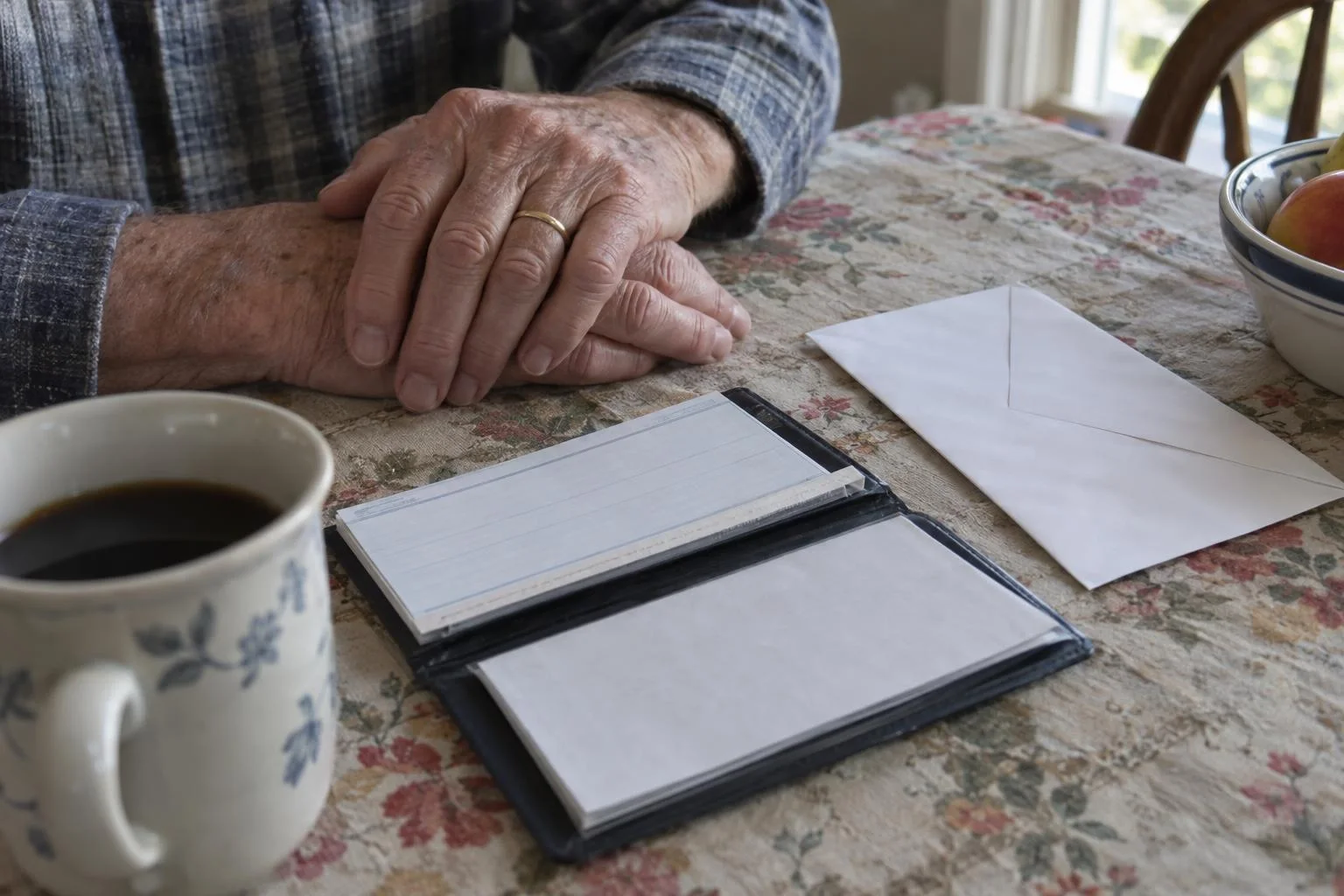
Postal inspectors group this kind of letter with sweepstakes and lottery fraud, and their published guidance says, "If there is pressure to act and you must send money to collect your prize, you haven't won anything." No legitimate prize, inheritance or windfall requires the recipient to pay to release it.
A letter that looks personal, with the recipient's name worked into the text, costs a mailer almost nothing to produce at scale. Asking for a check rather than a card payment also keeps the money in a form that moves through a bank account in someone else's name, which is the step the indictment describes.
Where to report a letter like this

The Postal Inspection Service takes mail fraud complaints at 1-877-876-2455 and in writing at the Criminal Investigations Service Center, Attn: Mail Fraud, 433 W. Harrison Street, Room 3255, Chicago, IL 60699-3255. Its mail fraud page also lists the categories inspectors see most, from sweepstakes offers to employment and telemarketing pitches that arrive by post.