A bipartisan Senate bill would require data centers that draw 20 megawatts or more to cover the full added cost of the grid upgrades built to serve them, so other customers do not pay for them. President Trump urged every senator to vote for it in a Truth Social post on Sunday, Nov. 8, and told readers to call their senators "TODAY."
The bill is the Bipartisan American Affordability and Jobs Act of 2026, S. 5653. Its sponsors are the Republican chairs and the top Democrats of the Senate's environment and energy committees: Shelley Moore Capito of West Virginia and Mike Lee of Utah, with Sheldon Whitehouse of Rhode Island and Martin Heinrich of New Mexico. They introduced it on Sept. 30 and released a substitute amendment on Saturday, Nov. 7, with what they called clarifying, conforming and technical edits. Neither release gives a date for a Senate vote.
What data centers would have to pay
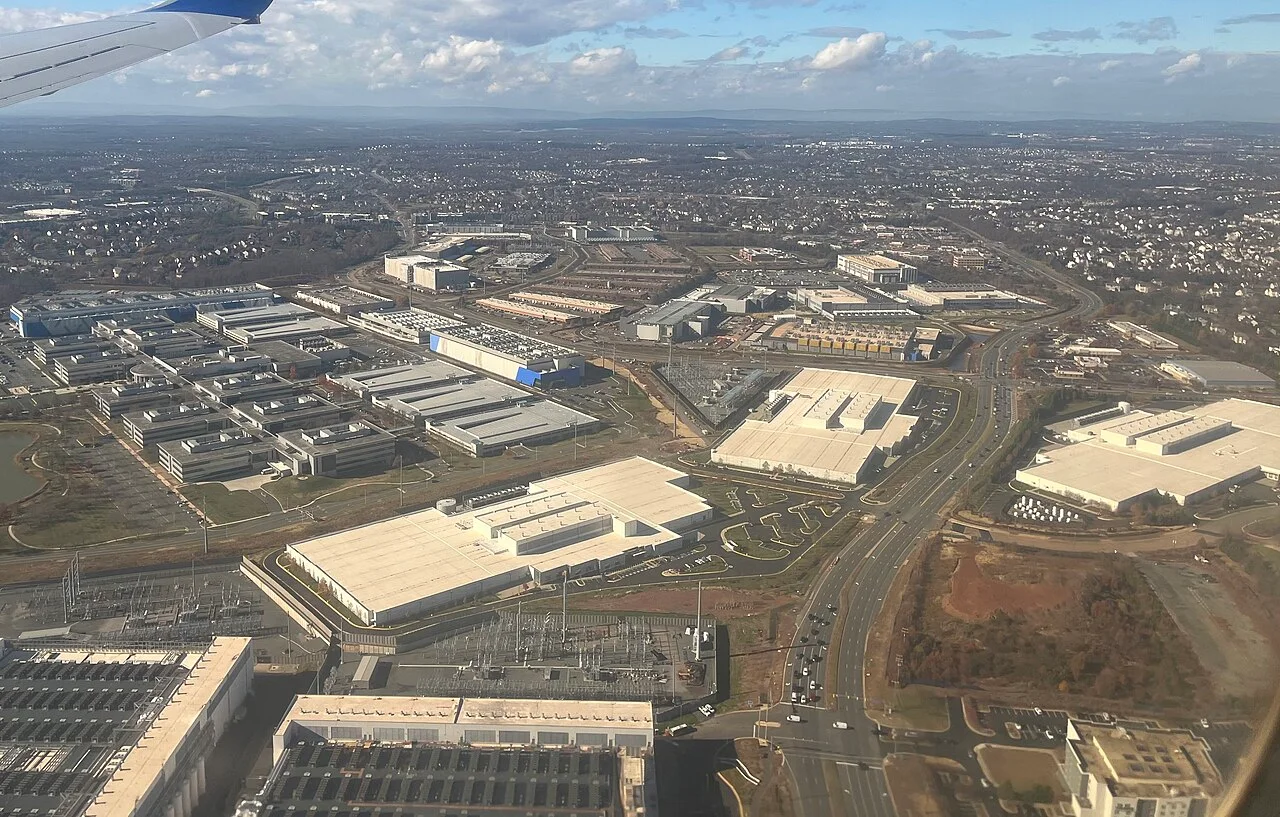
The data center rules sit in the bill's ratepayer protection section. In the text as introduced, a "covered load" is a data center or high-density computing site using at least 20 megawatts, or expected to reach that at full buildout. The definition names AI training, cloud hosting and cryptocurrency mining.
For those sites, no part of the extra cost of serving them could be charged to any other customer. A utility would have to collect financial assurances from the data center before building power plants or grid equipment for it, and the data center would keep paying those costs even if it canceled its contract early.
States would get room to go further. A state could charge a data center more than its cost and use the surplus to lower other customers' rates, or require it to bring its own new power plants before the utility serves it. A state could also auction the right to connect, awarding service to whichever projects return the most to other ratepayers instead of first come, first served.
The Federal Energy Regulatory Commission would also have to rewrite its 1994 transmission pricing policy within 270 days of the law taking effect so that data centers pay both the existing and the added cost of transmission service. A proposed rule would follow within 270 days of that, and a final rule within a year after the proposal.
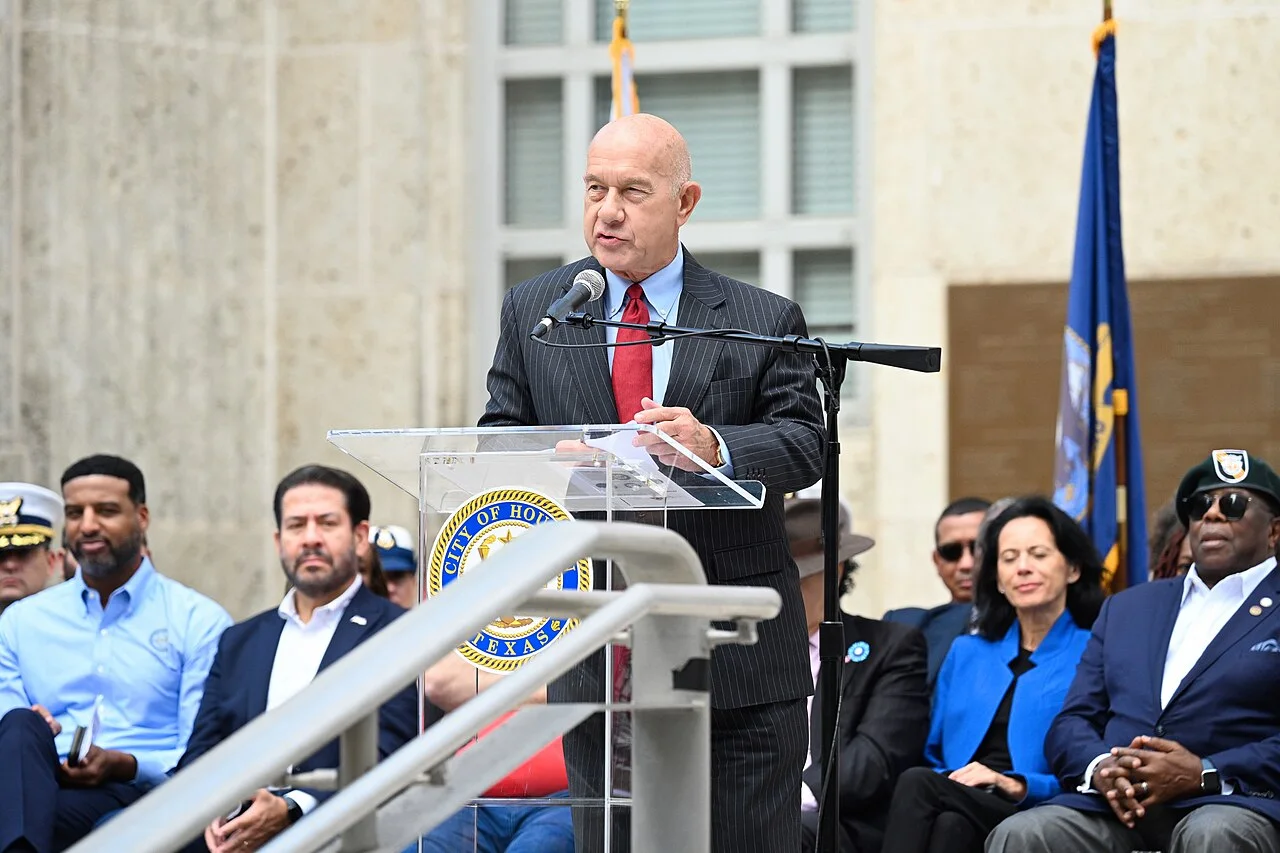
"It also makes sure data centers pay for the energy they use and the grid upgrades they cause, instead of passing those costs on to New Mexico families," Heinrich said when the substitute was released.
The permitting changes
Most of the bill's text deals with how long it takes to approve energy and infrastructure projects.
Lawsuits challenging a federal environmental review would have to be filed within 150 days of the approval being published or made public. Only someone who commented on the project during the public comment period, and who claims a direct harm, could sue, and the case would go straight to a federal appeals court. If a judge found the review flawed, the usual remedy would be to send it back to the agency without canceling the permit.
Approved projects would also be harder to stop. Agencies could not revoke or alter a permit in effect on or after Sept. 16, 2026, except under a court order, for a violation of law or the permit's terms, for fraud, at the holder's request, or to prevent specific and urgent harm based on new information.
| Date | Step |
|---|---|
| Sept. 30 | Bill introduced by Capito, Lee, Whitehouse and Heinrich |
| Nov. 7 | Sponsors release a substitute amendment |
| Nov. 8 | Trump urges senators to vote yes |
| Not announced | Senate floor vote |
Trump's post said the bill would codify his "RATEPAYER PROTECTION PLEDGE." The provisions above come from the bill as introduced. The sponsors say the substitute keeps that foundation, but Edit USA could not open its full text to compare.