Rep. Thomas Massie of Kentucky formally started the clock on a House vote to impeach Defense Secretary Pete Hegseth on Monday, Nov. 9. At 2:04 p.m. Eastern, he notified the House that he intends to offer a privileged resolution, the step that lets any member force the House to take up a measure without leadership's consent.
His office released the full resolution the same day. It contains eight articles of impeachment, three of them about the war with Iran. House Democratic Leader Hakeem Jeffries had already said he would vote yes, as Edit USA reported Sunday.
Massie, a Republican, called his effort "a much gentler version of what's coming when the Democrats assume control of the House and Senate next year." He also said, "President Trump should replace Secretary Hegseth now while he can still get a replacement confirmed in the Senate."
When the House has to act
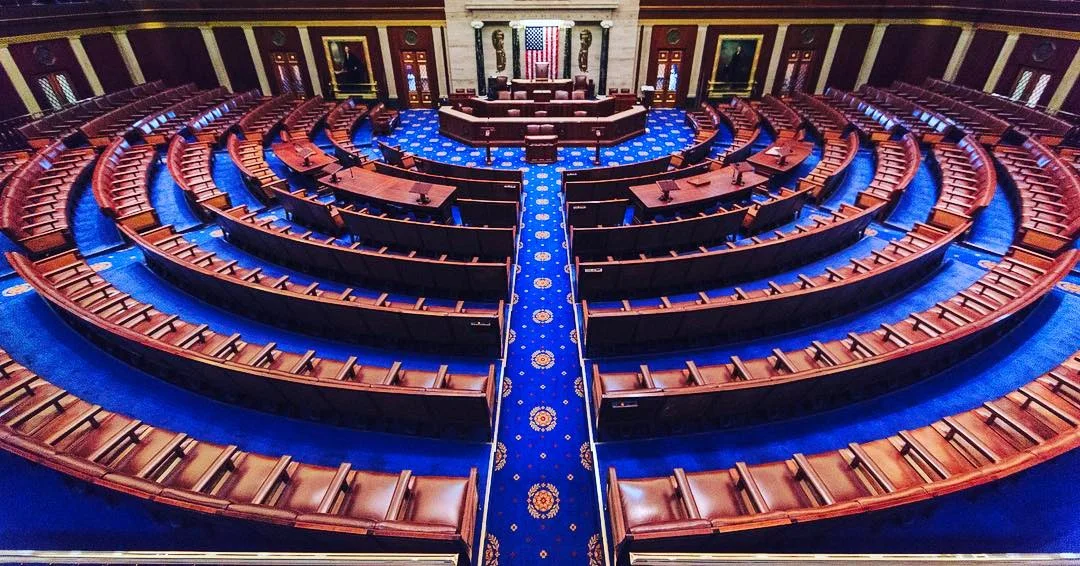
Under House rules, a privileged resolution from a rank-and-file member must be taken up at a time the Speaker sets within two legislative days after the member announces it. Legislative days count only days the House actually meets, so the calendar date depends on the House schedule this week. When Massie gave notice, the presiding officer said a ruling on whether the resolution qualifies as privileged will come when it is called up.
Impeachment takes a simple majority of the House. Removing Hegseth would then require a Senate trial and a two-thirds vote of the senators present. Republicans hold the House until the new Congress is seated in January.
What the eight articles charge

| Articles | Charge |
|---|---|
| I to III | Waging the Iran war in violation of three sections of the War Powers Resolution of 1973 |
| IV | Ignoring laws meant to limit civilian casualties |
| V | Lethal military strikes on suspected drug-smuggling boats that killed at least 243 people |
| VI | Using Defense Department power against Sen. Mark Kelly over his speech |
| VII | Directing Operation Absolute Resolve, which seized Nicolás Maduro and Cilia Flores in Venezuela |
| VIII | Starting Operation Rough Rider in Yemen without congressional approval |
In the full text, Article VIII says Operation Rough Rider involved more than 1,100 strikes over about 52 days and caused an estimated 224 civilian deaths. Those figures are Massie's allegations.
Article II also says Hegseth kept the Iran war going after both chambers passed H. Con. Res. 86, which directed the removal of U.S. forces.