The Federal Trade Commission is sending 6,789 checks totaling more than $266,000 to former customers of the Consumer Health Benefits Association. This is the third distribution in the case. The agency says it goes to people who cashed their previous refund check and paid the association more than $899. Anyone who receives a check should cash it within 90 days.
The FTC’s November refund notice lists those two eligibility conditions and gives a phone number for the administrator. It does not list a single delivery date for everyone. If you are unsure whether you qualify or whether a check you received belongs to this case, call the administrator using the number on the agency’s site.
Who qualifies for the third check
Both conditions apply. Paying exactly $899 falls outside the threshold the agency published, and receiving a previous check is different from cashing it. The notice describes a distribution to people who meet the criteria and does not announce a new application window. The amount a person paid the association helps determine eligibility, but the FTC does not say that an eligible customer will receive that amount back.
The first two rounds went out in November 2023 and August 2025 and resulted in more than $6.4 million in refunds, the agency says. The FTC’s first distribution announcement said it was sending payments to 47,166 people. The third round has a smaller recipient list and uses money still in the fund. Dividing the announced amount by the check count puts this round’s average at a little more than $39. An individual check can differ from that average.
The 2023 announcement described the amount the FTC was sending at the time. The November notice gives the amount that the two earlier rounds resulted in. Those figures measure different things. For eligibility now, the administrator needs to know whether the earlier payment was cashed.
How to verify and cash the check
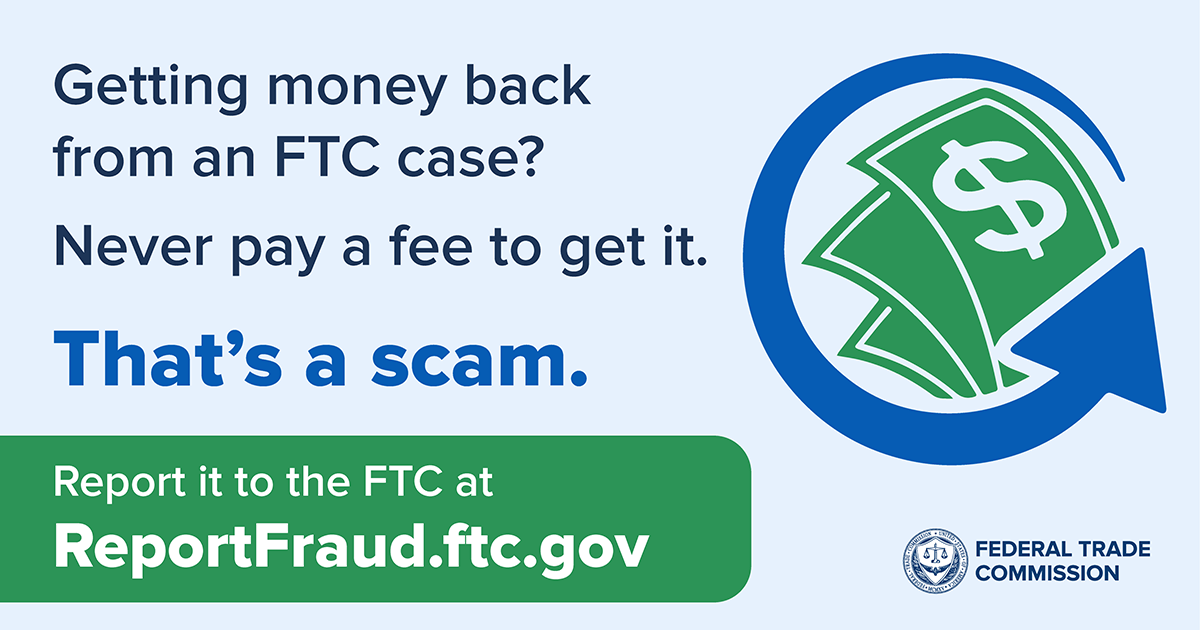
The administrator is Epiq. The FTC refund directory lists the case and the administrator’s number, 1-888-350-1458. Use that number if you moved, if the name on the check is wrong or if you are unsure whether an envelope is genuine. The FTC says it will never ask you to pay a fee or provide account information to receive a refund.
Look for the date and cashing instructions on the check when it arrives. The 90-day period is for cashing the check, and the refund notice does not give everyone one calendar deadline. The agency’s refund FAQ says that if a check expires, the administrator may be able to reissue it if money remains in the fund. Requests involving a legal name change, a spelling correction or a recipient’s death must be made in writing. Call the administrator first for the mailing or email instructions.
What the case was about
The FTC sued in 2010, alleging that the company targeted people looking online for affordable health insurance and sold them a medical discount plan. A federal court record describes the allegations about the plans’ marketing. The FTC said callers overstated how widely providers would accept the plans and made cancellation and refunds difficult. The case record lists the orders that supplied the refund fund.
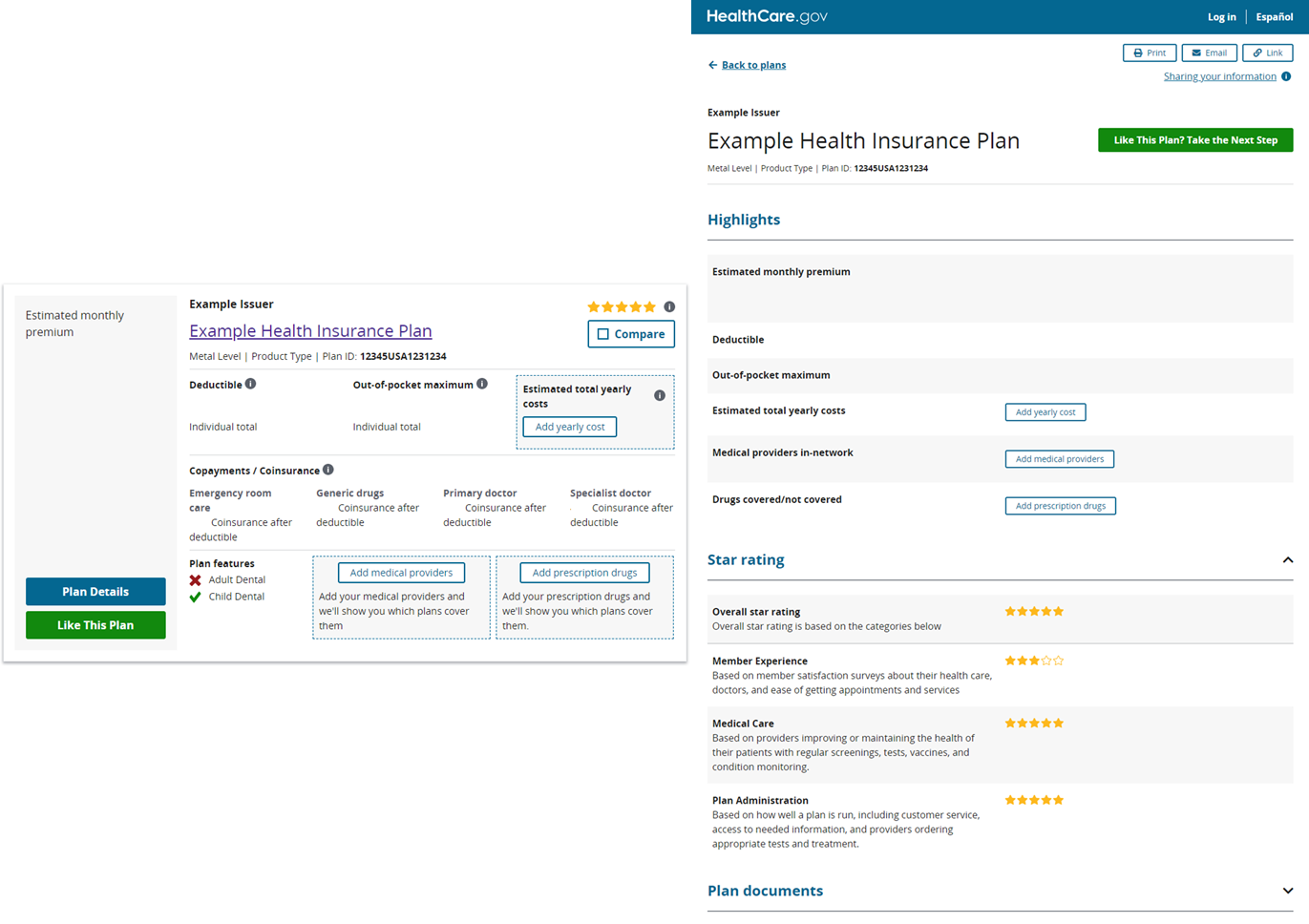
A medical discount plan usually charges a fee for lower prices on specified services from participating providers. The customer still pays for care. For someone comparing actual insurance policies, the Centers for Medicare & Medicaid Services advises reviewing each plan’s Summary of Benefits and Coverage. That document shows the policy’s covered benefits and cost sharing. If a seller offers discounts instead, ask the providers you use whether they take the plan and get the terms in writing before paying.
The FTC’s video on medical discount scams explains how to tell a discount plan from health insurance.