A federal judge has frozen the assets of a Southern California debt collection operation that the Federal Trade Commission says took more than $20 million from people, often for debts they did not owe. The FTC announced the case on Monday, Nov. 9, four days after Judge Mónica Ramírez Almadani of the U.S. District Court for the Central District of California signed a temporary restraining order and put the business under a court-appointed receiver.
The company is McDonnell & Associates LLC of Orange, Calif., which also used the names First Capital Group, Maxwell & Bryant Group and Lewis, McDonnell & Associates. Its owners, Oscar Gerardo Gonzalez Martin and Oscar Ruiz Canela, were sued too. The charges are allegations, and the court has not ruled on whether they are true.
How the calls worked
According to the FTC's complaint, the scheme has run since at least March 2021, and thousands of people have complained to the agency about it.
It usually started with a voicemail. Callers used the law-firm-sounding name Maxwell & Bryant Group, described an "urgent" matter and in at least one message said they were calling "from the legal department." If people did not call back, the messages got sharper. One warned that the file was moving to a phase that could include "workplace verification if needed." Others said there were "documents scheduled for delivery" to the person's job.
The callers also phoned parents, siblings and spouses, saying they needed to find the person to serve legal papers. People who called back heard threats of lawsuits, wage garnishment and property liens, which the FTC says the company never carried out or intended to. Then they were told they could settle by paying right away with a credit or debit card.
Many of the debts were not real, or not the company's to collect, the complaint says. Some were described as payday loans from CashNetUSA, and some consumers who checked with that lender were told it had no record of the debt.
What the court ordered
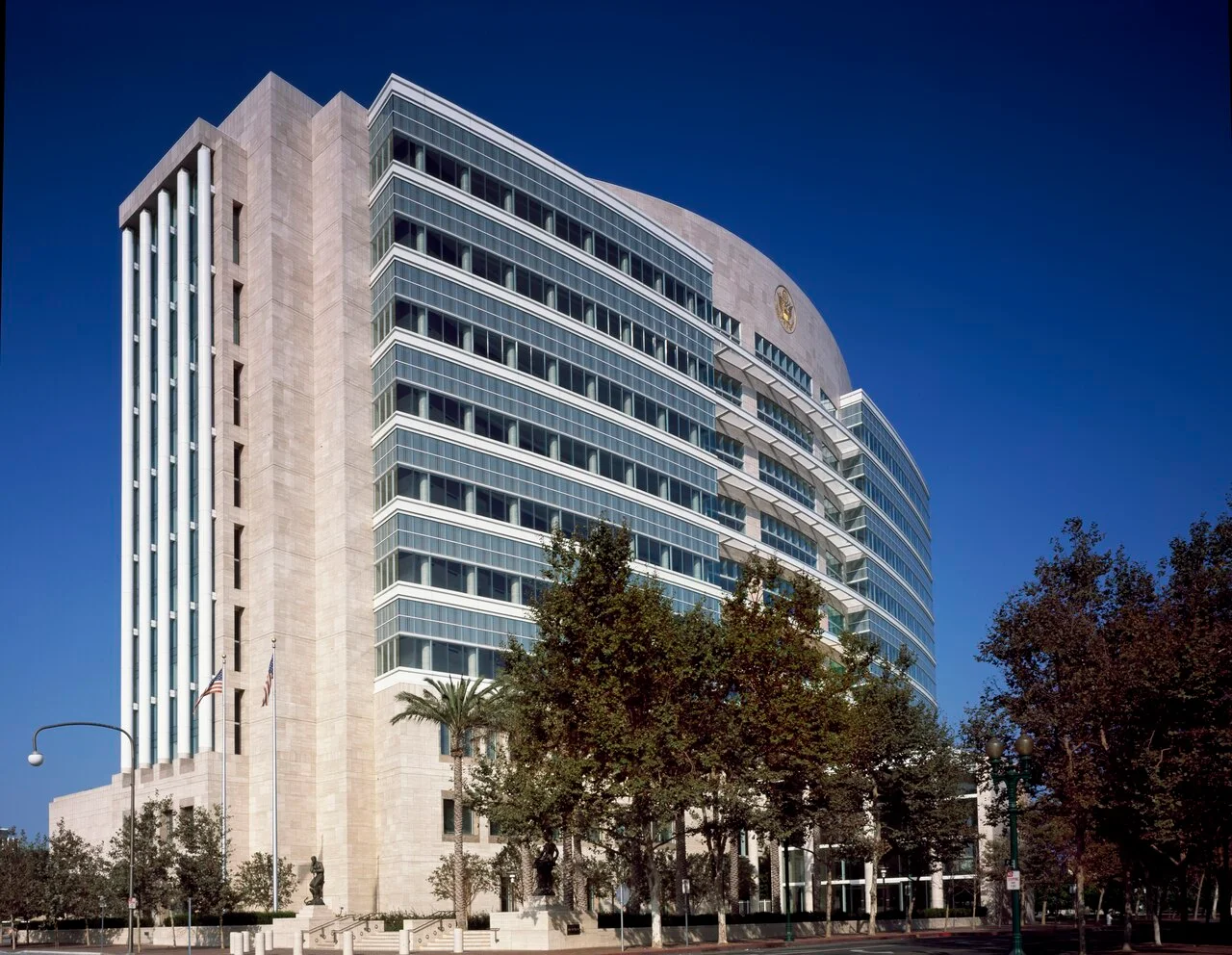
The Nov. 5 order bars the defendants from falsely telling people they owe a debt or claiming to be lawyers or a law firm. It freezes their assets and names Thomas McNamara as receiver to take control of the business.
The defendants are due back in court in Santa Ana on Nov. 16 at 10 a.m. The judge will then consider a longer-lasting preliminary injunction. No refunds have been announced.
How to check a debt collector
A legitimate collector has to send you a validation notice, either in its first message or within five days, according to the Consumer Financial Protection Bureau. It must say the message is from a debt collector, name the creditor, list the amount owed with interest and fees broken out, and give an end date for a 30-day window to dispute the debt.
If a caller will not give you that, or pushes for a card payment before you can check with the original lender, report it at ReportFraud.ftc.gov.