The Federal Trade Commission is sending 204,408 checks worth more than $4.4 million in a second round of Publishers Clearing House refunds. The FTC's November notice says this round goes to eligible people who accepted their first payment. Anyone who receives a check should cash it within 90 days. The notice gives the month of the distribution without listing a single arrival date for every recipient.
The checks come from a consumer protection case over Publishers Clearing House's marketing and sales practices. People who entered a sweepstakes but never received or accepted a first refund should pay particular attention to the eligibility wording. A sweepstakes entry by itself does not establish that a second check is coming.
Who is getting a second check
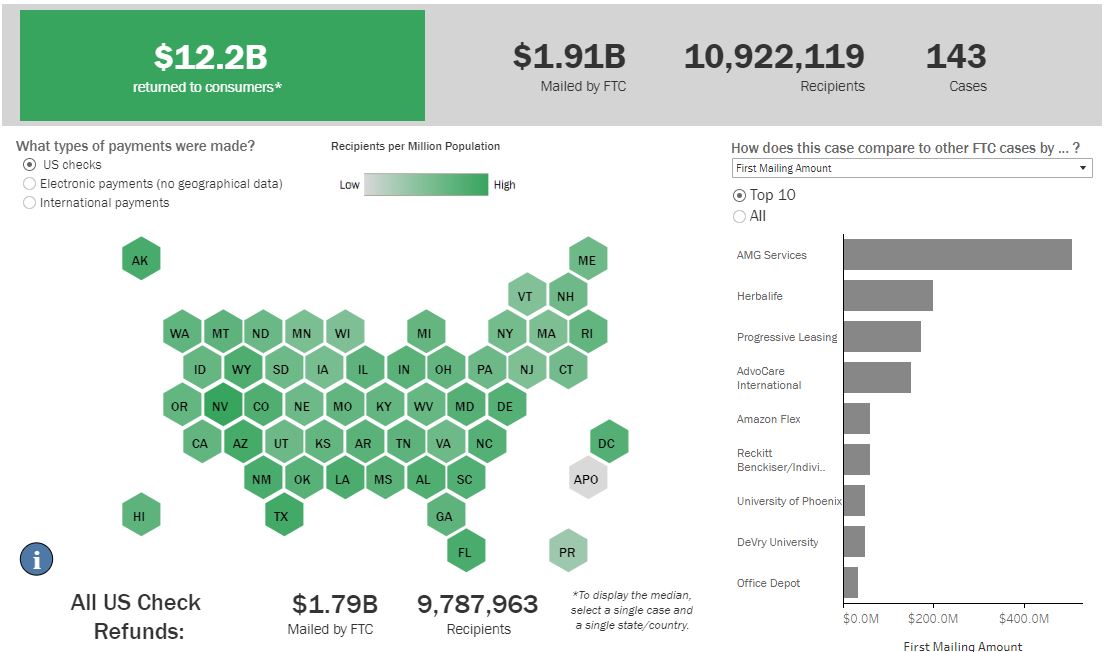
The FTC describes the original eligible group as people who ordered a product from Publishers Clearing House after receiving and clicking one of the emails the agency alleged were deceptive. The agency says it sent the first checks in April 2025. Its current refund page says that distribution resulted in more than $13.3 million in refunds and that the settlement fund still had money available.
That distinction matters if you have seen a larger figure in earlier coverage. The FTC case record describes more than $18 million sent out in April 2025. The November notice gives a different figure for what the first round resulted in and reports more than $4.4 million going out now. The agency uses different language for the amount sent and the refunds that resulted. The second round's total divided by the number of checks works out to a little more than $21.50 per check on average. The agency hasn't published an individual payment schedule in the November notice, so the average cannot tell you what amount to expect.
Where to verify the check

For this distribution, the FTC lists 1-888-516-0774 for the refund administrator, Rust Consulting. The FTC's refund directory also lists the case and administrator. Use the number from one of those official pages if you are unsure about an envelope, have moved, or need help with the name printed on the check. A separate consumer verification guide also points recipients to the case administrator and notes that an FTC announcement about a mailing can't authenticate a particular check.
The agency never asks people to pay a fee to get a refund. A caller who asks for a transfer, threatens consequences, or says a fee will unlock a prize is giving instructions that don't match the refund notice. You can look up the case yourself without following a link in a text or calling a number a stranger supplied. The FTC says people can report suspected scams at ReportFraud.ftc.gov.
If the check expires or has the wrong name
The FTC's refund FAQ says someone who needs a new check after a legal name change, death or spelling error should call the administrator for instructions and submit the request in writing. An expired check may be reissued if money remains in the settlement fund. The FTC makes that conditional, so the 90-day period is worth checking as soon as the envelope arrives.
For this round, the payment method listed in the case notice is a mailed check. The agency uses electronic payments in some other cases, but the payment methods in those programs give no reason to expect a PayPal or Zelle payment here.
The case goes back to a 2023 FTC lawsuit. The agency alleged that some Publishers Clearing House messages led shoppers to think they needed to buy something to enter or improve their chances, and that unexpected shipping and handling charges raised order costs. The company agreed to a court order requiring it to pay $18.5 million for consumer relief and change its online practices. The second round uses money left from that settlement, with the first-payment requirement described in the November notice.