About 6.3 million people would stop getting SNAP food benefits under a rule the Agriculture Department plans to publish on Tuesday, Nov. 10, according to the department's own estimate. The proposed rule went on public display at the Federal Register on Monday. It would end a policy that lets most states extend food aid to households with incomes or savings above the federal limits.
Nothing changes yet. The public gets 30 days to comment once the rule is published, and USDA would then have to issue a final version. The department expects the full effect in fiscal 2029, when it projects 3.2 million households, about 17.6% of people on SNAP, would no longer get benefits.
What would change
Today, a household can qualify for SNAP automatically if it gets almost any benefit or service paid for with federal welfare money under Temporary Assistance for Needy Families, even an informational pamphlet or a phone number for finding services. It is called broad-based categorical eligibility. Forty-six of the 53 state agencies that run SNAP use it, according to the rule. Of those, 37 set income limits above SNAP's and 41 have no asset limit at all.
The proposal would allow it only for households that get TANF cash. Everyone else would have to pass SNAP's federal income and asset tests. USDA says the change would cut federal SNAP spending by about $44.6 billion from fiscal 2027 through 2031 and save states a net $5.2 billion.
USDA argues that in states with no asset limit, someone with "a million dollars or more in available resources but no regular income" could qualify, and that it knows of millionaires who received benefits. In fiscal 2024, 2.5 million SNAP households containing 5.4 million people had assets above the federal limit, the rule says.
School meals and WIC
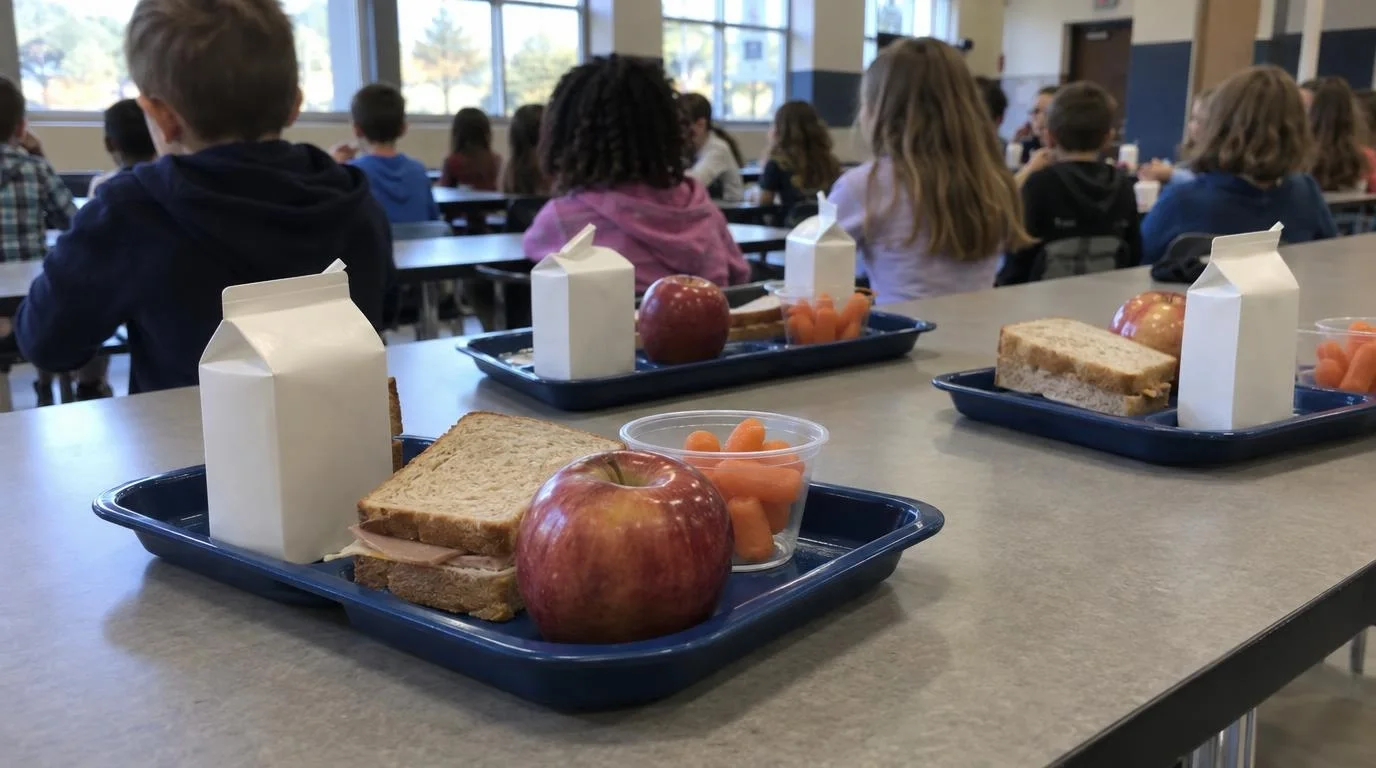
SNAP enrollment also signs children up for free school meals automatically. About 1.78 million children would lose that automatic route, USDA estimates. Nearly all, about 97%, would still qualify for free or reduced-price meals through their family's income. Of the 1.78 million, 93,000 would move to reduced-price meals and 28,000 would pay full price.
Summer EBT, the summer grocery benefit for children, would reach about 42,000 fewer children starting in the summer of 2029. About 5,500 women, infants and children would lose WIC eligibility, out of roughly 6.87 million WIC recipients.
A second rule on work requirements

USDA posted a second proposed rule the same day that writes into regulation the One Big Beautiful Bill Act's 2025 changes to SNAP's three-month time limit for able-bodied adults. Parents are exempt only when they care for a child under 14. The old cutoff was 18. Exceptions for veterans, people experiencing homelessness and young adults who aged out of foster care are gone. States can get waivers only for areas with unemployment above 10%. Alaska and Hawaii have their own test. The proposal would also drop "imminently homeless" from SNAP's definition of homelessness.
Comments on both proposals go through Regulations.gov, under docket FNA-2026-0661 for the eligibility rule and FNA-2025-0368 for the work rule, for 30 days after publication.