The Senate passed a bill Thursday that would designate about 2,400 miles of historic Route 66 as a national historic trail, from Chicago to Santa Monica, California. The Senate passed S. 2887 by unanimous consent. The House still has to act on the legislation, and Thursday’s vote creates no new trail access for travelers.
The vote came a day after the highway’s 100th anniversary. The Senate bill covers the different alignments of U.S. Highway 66 in use between 1926 and 1985. The historic road ran through Illinois, Missouri, Kansas, Oklahoma, Texas, New Mexico, Arizona and California. A December 2017 map identified in the bill would be available for public inspection at the Department of the Interior. In Illinois alone, the Park Service’s route history identifies three major realignments and puts the route at about 295 miles in 1931. The proposed designation would cover those earlier paths as well as later ones.
What the bill would change for landowners
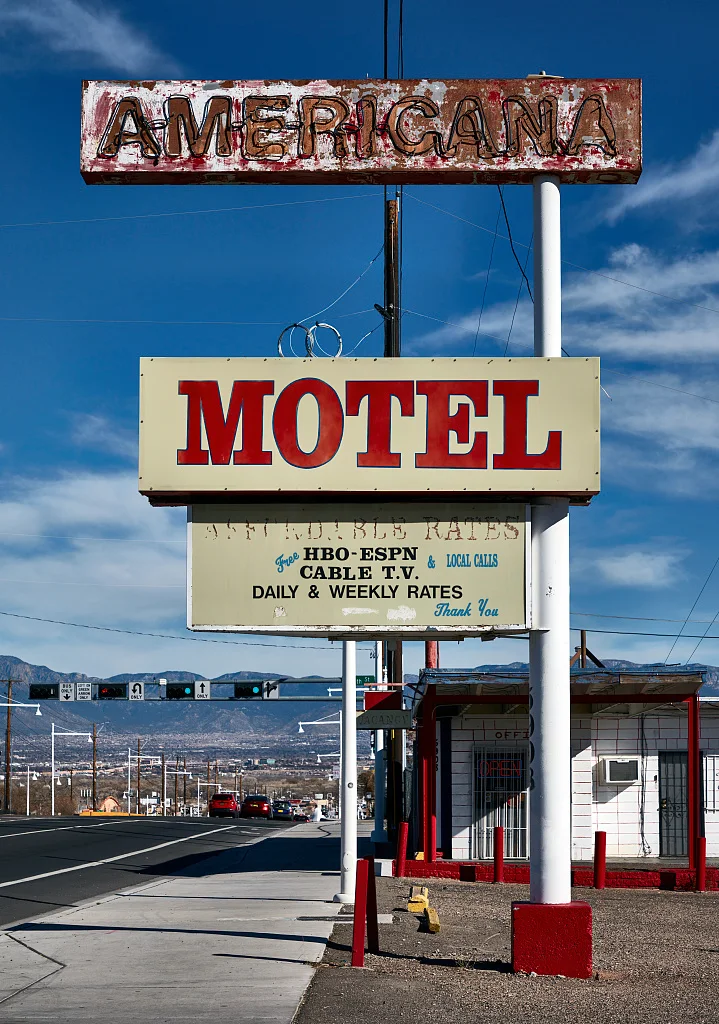
The Interior Department would administer the trail and would have to consult affected tribes before undertaking work with substantial direct impacts on them. For land outside a federally managed area, the government could acquire land or an interest in it for the trail only with the owner’s consent. The bill bars eminent domain and limits acquisitions to an average of a quarter mile on either side of the trail.
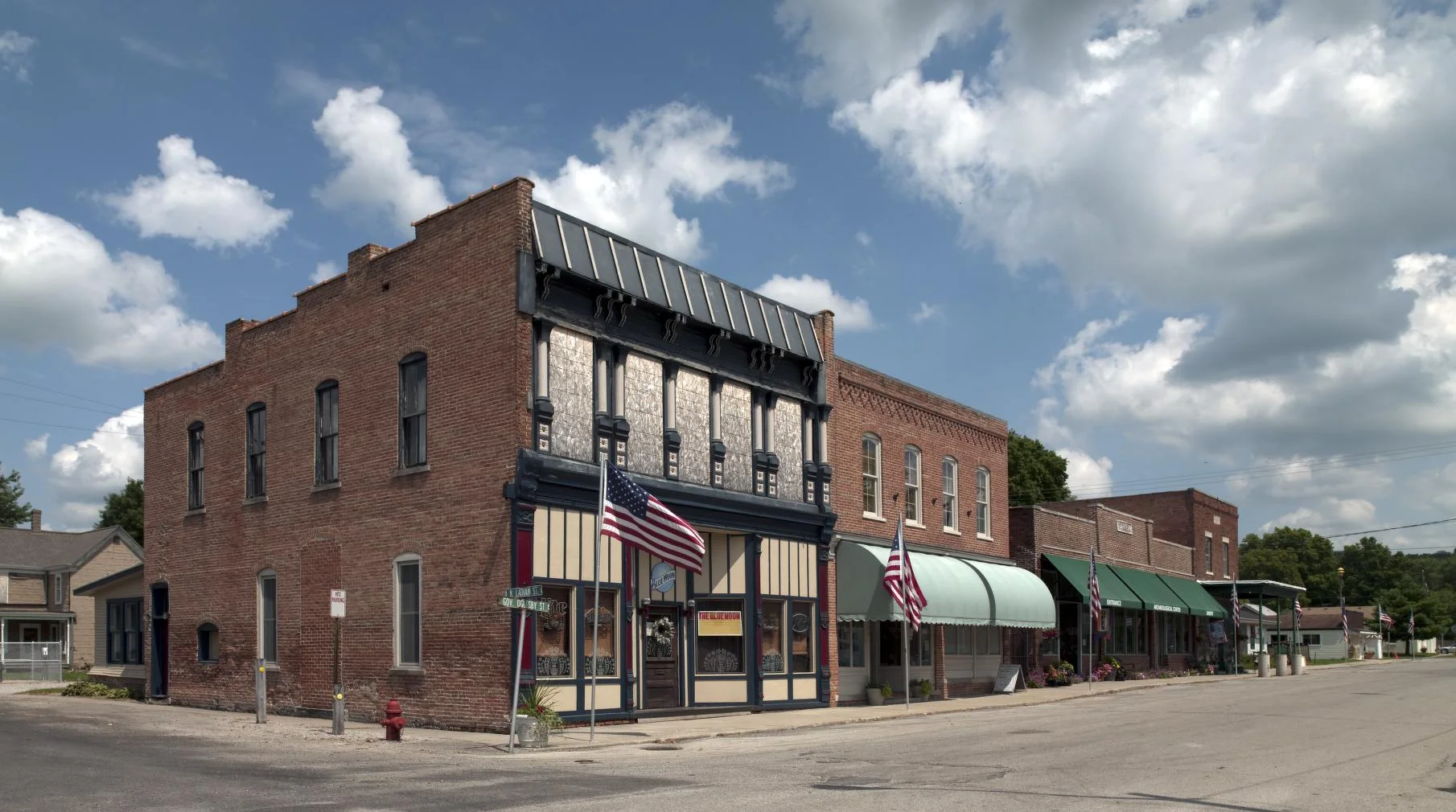
The measure also says a designation would create no buffer zone outside the trail and preserve existing authority over easements and rights of way. Those limits matter in towns where the old route still runs past private businesses and homes. A traveler should continue to use marked public routes and check individual sites for access.
Where travelers can already see the old road
The National Park Service has a Route 66 travel itinerary with stops along the old highway. In Arizona, a line of telephone poles still marks the former roadbed in Petrified Forest National Park. Some of the route runs through town centers, while other sections survive as traces of the old road. Read more about the towns and travelers that shaped Route 66.
Congress established a separate preservation program in 1999. The Park Service says its cost-share grants have supported buildings, road segments and historical research, and that there is currently no grant cycle. The House held a September hearing on its companion bill, H.R. 5470. The next step toward designation is House passage of matching text.