Every Texas household would get a one-time $1,500 payment from the state under Senate Bill 297, which state Sen. Roland Gutierrez, a San Antonio Democrat, filed on Nov. 9. The bill would pay for it with $17 billion from the state's rainy day fund, the amount Gov.-elect Gina Hinojosa promised to return to Texans during her campaign.
For now it is only a proposal.
The Legislature does not convene for its regular session until January, and the bill needs two-thirds of the votes in both chambers before any money can move.
Who would qualify for the $1,500

The payment goes to each household. A household is anyone living in the same home as their usual residence, related or not, and a person living alone counts as one. Each household gets one payment, and a bigger household does not get more.
To qualify, a household must have its usual residence in Texas on Jan. 1, 2027, and be represented by an adult who is 18 by then, or by an emancipated minor. There is no means test. Eligibility could not depend on income, owning a home, property taxes, a job, public benefits or whether anyone filed a state or federal tax return. The bill does not mention citizenship or immigration status.
Proof of residence could be a lease, a utility record, a school record, a letter from a government agency or a sworn declaration. The comptroller would write separate rules for homeless Texans, people living in group settings and anyone else without a regular street address. The payment would not be a loan. The state could claw it back only for fraud or a duplicate payment.
When the money would arrive
The comptroller would have 30 days after the law takes effect to adopt emergency rules and open applications, by mail and in person as well as online. Payments would go out by direct deposit, check or another secure method the recipient picks, and the comptroller would aim to pay verified households by Dec. 31, 2027. Applications would stay open until Dec. 31, 2028. The law would take effect immediately if two-thirds of all members elected to each chamber vote for it, and on Sept. 1, 2027, if they do not.
Where the $17 billion would come from

The money would come from the economic stabilization fund, the official name of the rainy day fund. The Texas Constitution lets lawmakers spend from it "at any time and for any purpose" with a two-thirds vote of the members present in each house. The bill makes the appropriation contingent on that vote.
The same article of the constitution bars the state from handing public money to individuals, with one exception for "aid in cases of public calamity." The bill relies on that exception. It declares a statewide "household affordability emergency," driven by rising costs for housing, electricity, food, transportation and insurance, and calls that a public calamity.
Up to 1% of the $17 billion could go to running the program. That leaves at least $16.83 billion for checks, enough for about 11.2 million payments of $1,500. If the money runs short, the comptroller must report the gap to state leaders and cannot spend more than the bill provides.
Hinojosa's campaign called the payment a "$1500 Corruption Tax Refund". It said the fund holds $27 billion and needs only about $10 billion to stay sound, so the other $17 billion should go back to families.
What has to happen next
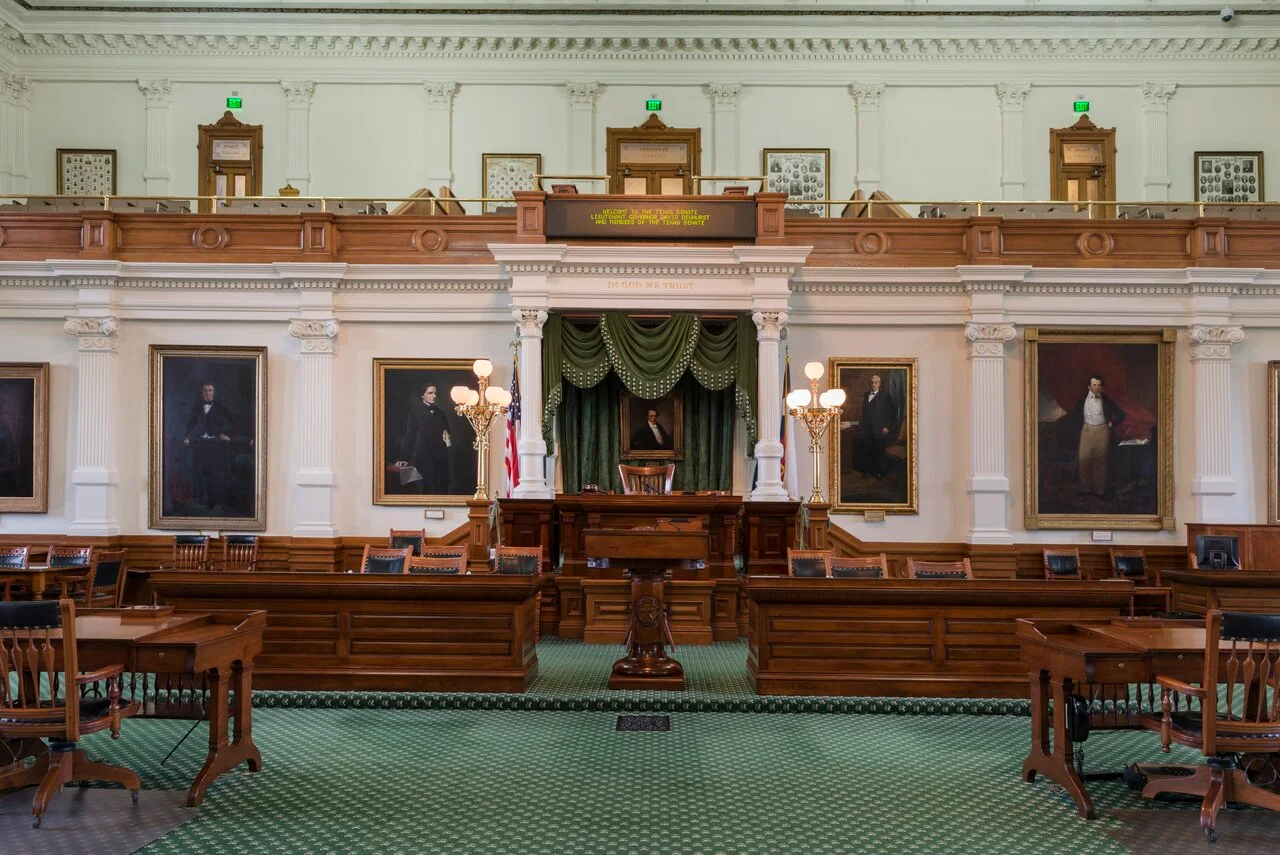
The bill was filed and received by the secretary of the Senate on Nov. 9, according to its legislative history. It has not been referred to a committee. Lawmakers would have to pass it in the regular session that starts in January before it went to Hinojosa, who also takes office that month.