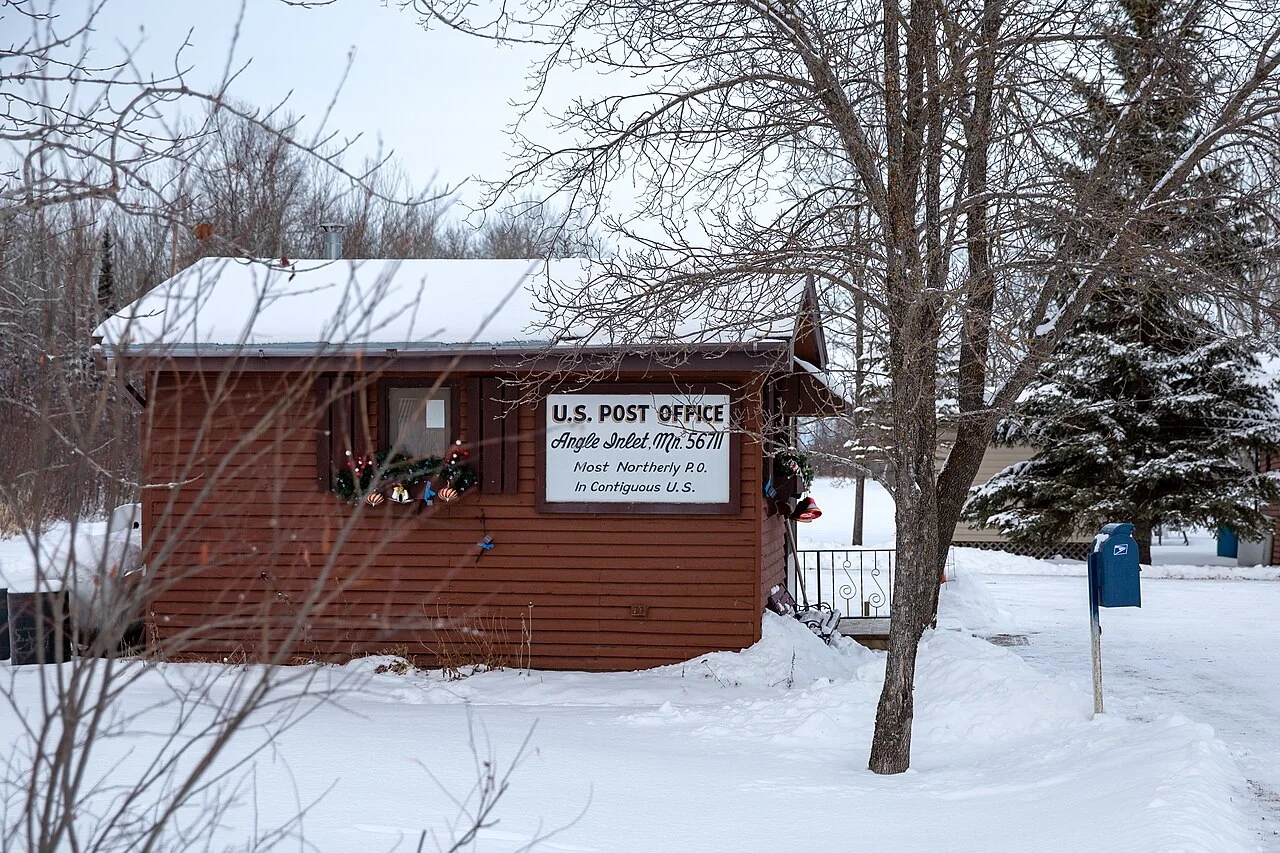
Canada's Remote Area Border Crossing permits stop working at 11:59 p.m. on Monday, Nov. 30. Starting Dec. 1, anyone entering Canada through the remote stretches of northern Ontario, or from Minnesota's Northwest Angle into southern Manitoba, has to check in with Canadian border officers in person or by phone from a designated site.
The Canada Border Services Agency says on its program page that telephone reporting replaces the permit program on Dec. 1. It is no longer taking applications.
Who used the permits
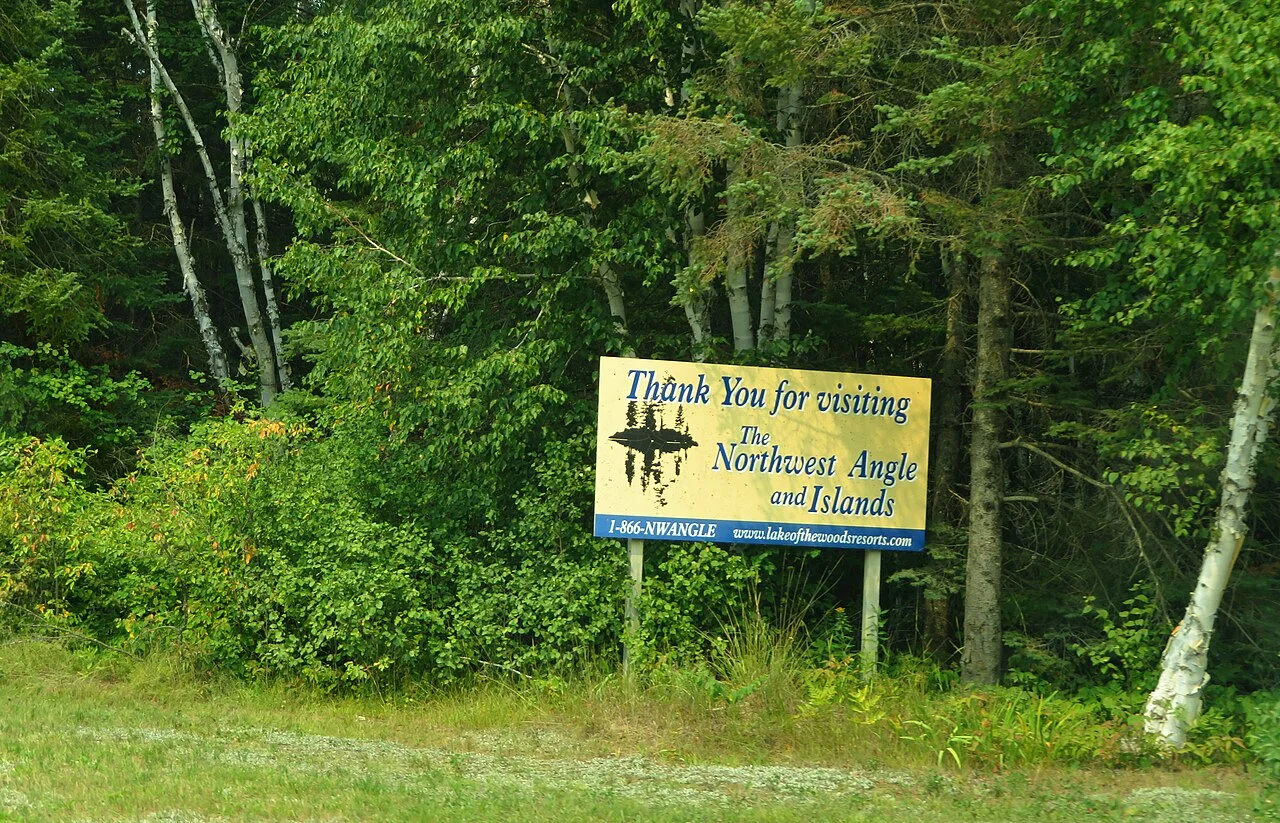
Permit holders could cross into Canada in certain remote areas without stopping at a port of entry, as long as they declared any goods they brought with them. A permit could also cover qualifying family members. The program covered five areas:
| Area | Where it is |
|---|---|
| Northwest Angle | Minnesota's land north of Lake of the Woods, bordering Manitoba |
| Pigeon River to Lake of the Woods | The Minnesota and Ontario border waters |
| Canadian shore of Lake Superior | Ontario's Lake Superior coast |
| Sault Ste. Marie | The upper lock system between Michigan and Ontario |
| Cockburn Island | Ontario, in Lake Huron |
How to report from Dec. 1
Travelers can report in person at a Canadian port of entry, or go to a designated telephone reporting site and call the CBSA's Telephone Reporting Centre at 1-888-226-7277. The agency keeps a list of telephone reporting sites on its page for boaters, and it asked the public in January for comments on locations for new sites.
Expect to give the officer:
- Each traveler's name, date of birth, citizenship and identification, plus visa details if needed
- The make, model and registration number of any boat
- Where you are going, why, and how long you plan to stay
Boaters must also declare firearms, ammunition and any other restricted or prohibited goods on board. The CBSA warns that failing to report can lead to detention, seizure of the boat or fines. The CBSA's Border Information Services line, 1-800-461-9999, handles questions about the change. The rules above cover entering Canada. Coming back into the United States is a separate process run by U.S. Customs and Border Protection.