The first lab results are back from the Army's detonation of degraded lead azide at the Iowa Army Ammunition Plant, and the Environmental Protection Agency says they show no lead in drinking water so far. The EPA reported on Friday, Nov. 27, that none of its 38 post-detonation water samples from public water supplies contained lead.
The Army destroyed 68 barrels of the unstable explosive in Middletown, Iowa, on Wednesday, Nov. 25, after recommending that nearby residents relocate. Results for soil and household dust are still at the labs, along with tap water.
What the tests found so far
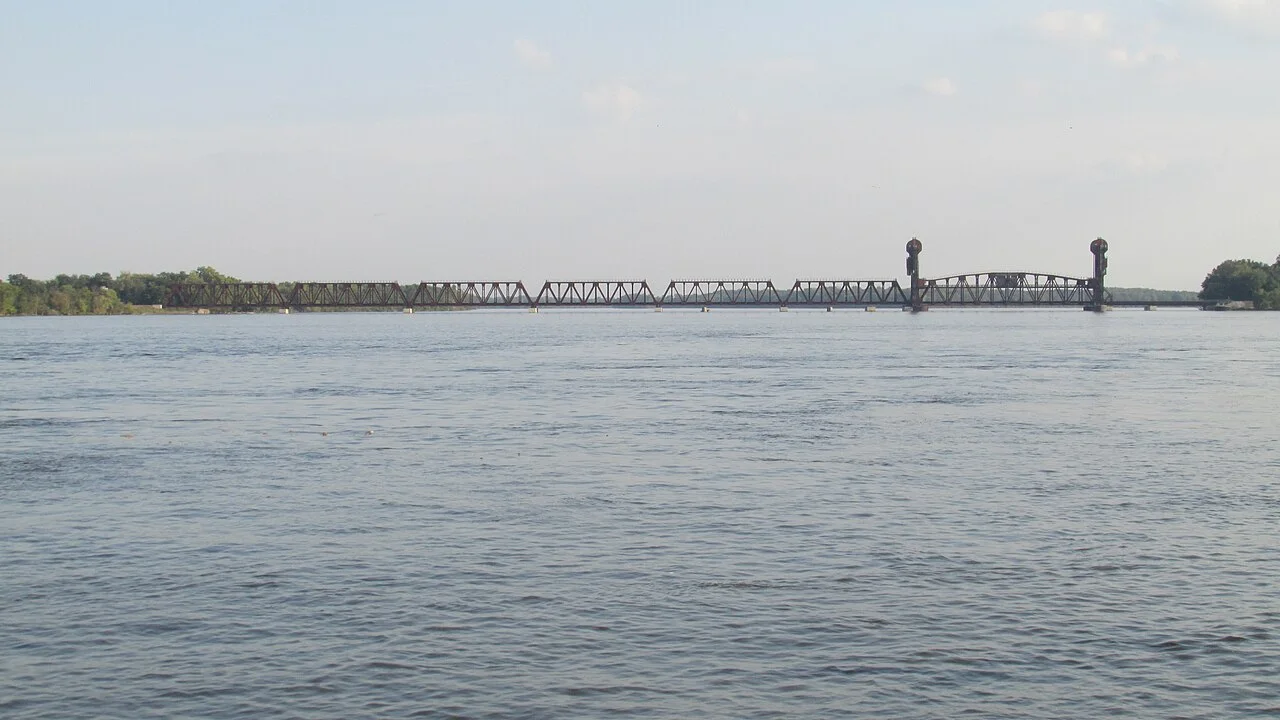
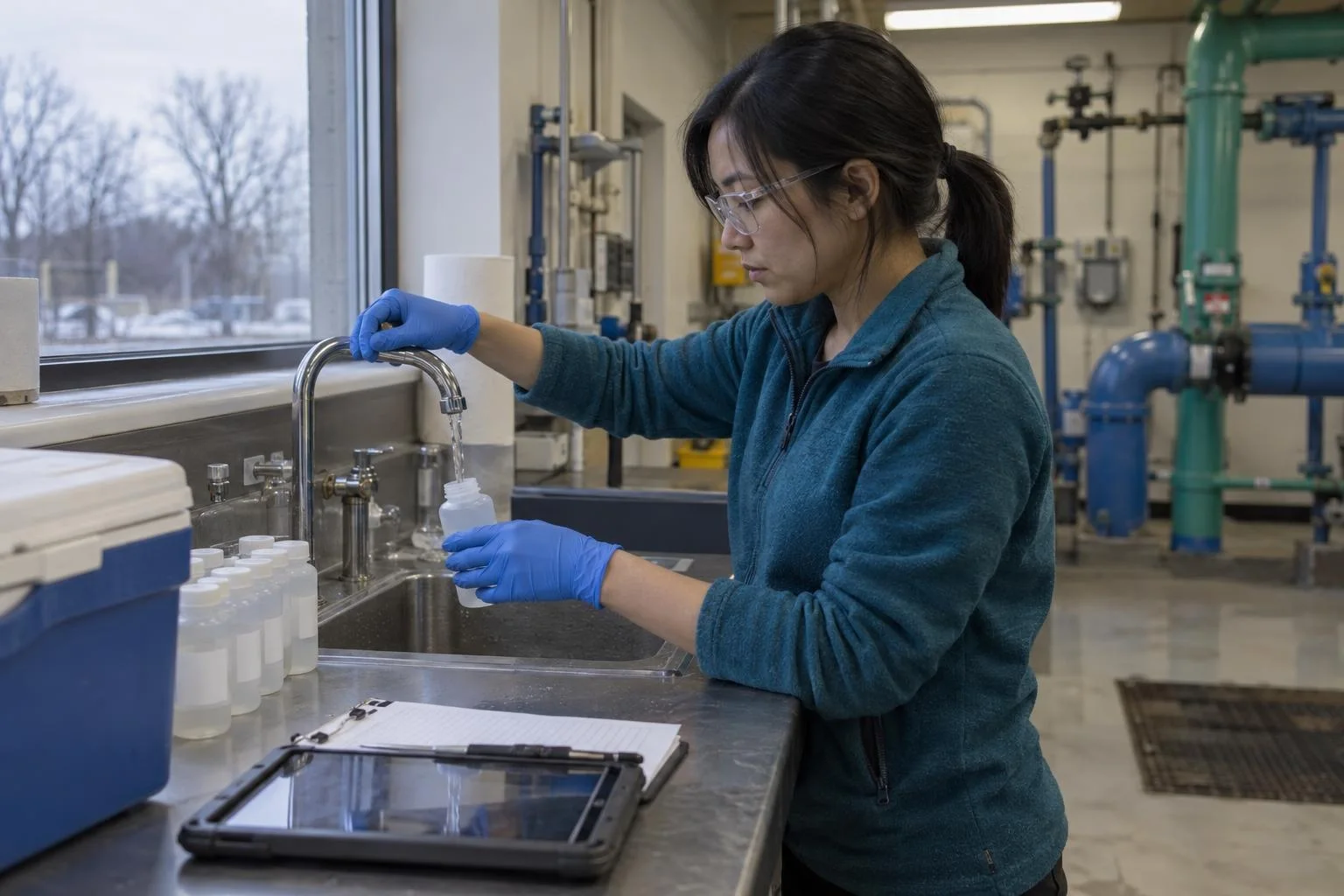
The 38 samples covered treated drinking water and untreated water at public system intakes. EPA said the detonation "did not result in an elevation of lead in water bodies that serve as sources of drinking water."
The air was clean too. EPA's real-time lead monitors read 0.0 micrograms per cubic meter for 30 straight hours after the blast. On detonation day, from 7 a.m. to 2 p.m. Central, they averaged readings every five minutes. After that, they switched to hourly averages. The agency used inlets that capture particles of any size, so larger dust would have registered too. It switched the monitors off at 3 p.m. Central on Thursday because the readings stayed at zero.
Before the blast, EPA sampled 35 untreated drinking water sources in Iowa, Illinois and Missouri to set a baseline. Four already had small amounts of lead:
| Location | Lead before the detonation |
|---|---|
| Mark Twain Lake, Missouri | 1.62 parts per billion |
| Illinois River, Illinois | 1.13 parts per billion |
| Mississippi River, Illinois | 1.36 parts per billion |
| Mississippi River, Illinois (second site) | 2.12 parts per billion |
All four are well under EPA's action level of 15 parts per billion for drinking water, none sat where the plume went, and because the lead was there before Wednesday, EPA says the explosion did not cause it. The agency says it cannot tell where that lead came from, and it will decide with the states whether those sites need more testing. Treatment at water plants should lower the levels further before the water reaches taps, EPA said.
What is still being tested
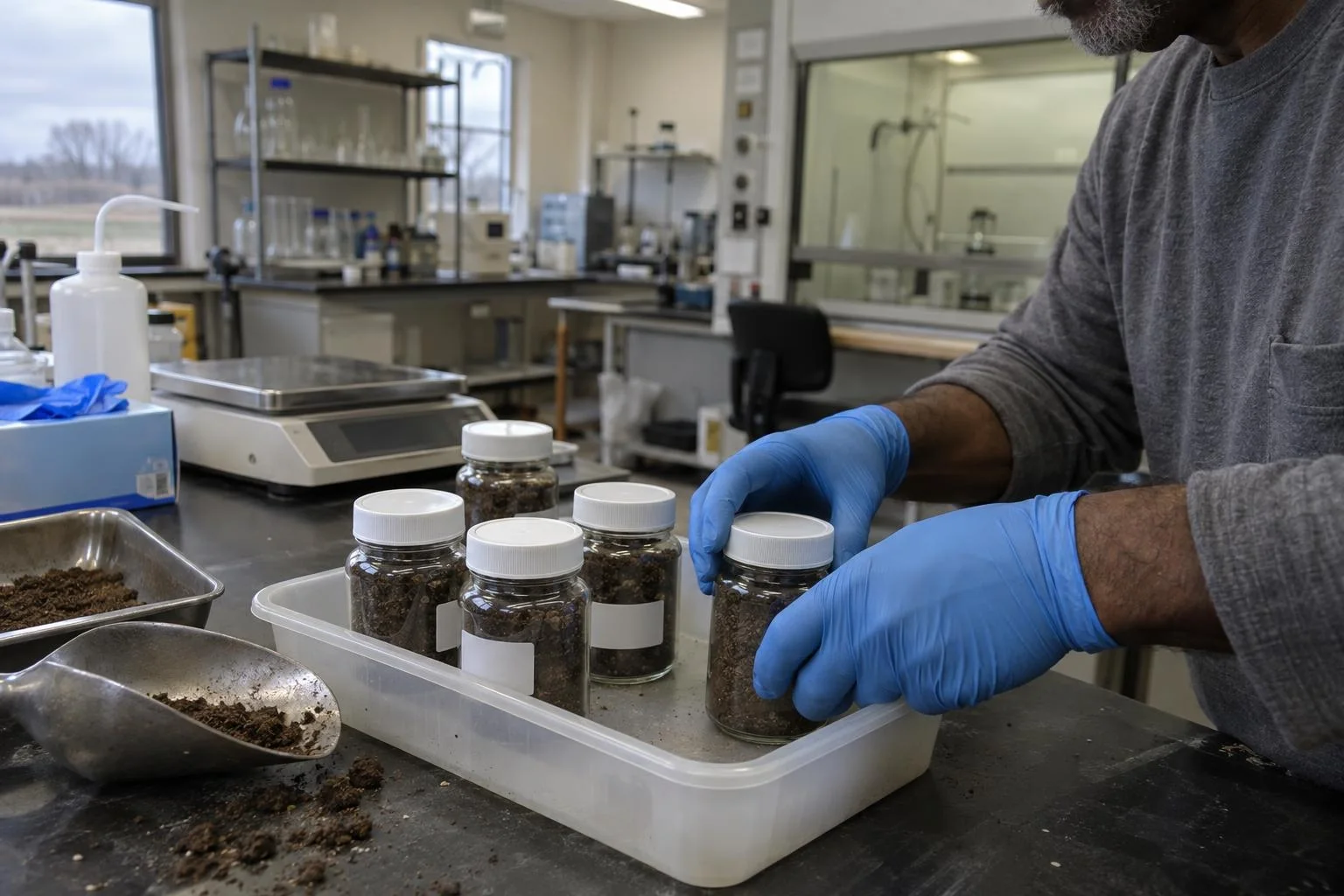
EPA teams have collected more than 3,200 samples of air, water, soil and dust, about half before the blast and half after. As of 5:45 p.m. Central on Friday, they had gone back to 187 buildings that were sampled beforehand, plus 27 parks with playgrounds, schools, day cares and churches. Farms and the Mississippi River watershed are being sampled too.
Teams have revisited 88% of the homes they sampled before the detonation. Some are still waiting. EPA said its teams could not get onto certain private properties because nobody was home.
Still to come are tap water results and soil samples from around and away from buildings. So are dust wipes from inside and outside homes. Soil is also being checked for several compounds tied to the Army's disposal method, including two forms of dinitrotoluene. The labs doing the work include EPA's regional lab in Kansas City, Kansas, plus mobile and private contract labs.
Where to find the results
EPA posts validated results on its Iowa response data page as they come back, and people who live in the area can call the agency's hotline at 833-649-9624 with questions.
Gov. Kim Reynolds said in a statement after the detonation that the state departments of homeland security, health, natural resources and agriculture will keep watching as new data arrive. Iowa's health department tells anyone worried about lead exposure to contact their health care provider, and keeps a page on lead exposure and testing.
Edit USA will report the remaining results when EPA releases them.